
Prof. Manoj Mathur — Architect & Educator at School of Planning and Architecture, New Delhi
- February 7, 2023
- By: Syed Md. Ehteshamul Hasan
- INFLUENCERS
Blending decades of professional expertise with a deep commitment to architectural education, Prof. Manoj Mathur stands as a respected figure in India’s design fraternity—shaping both built environments and future architects alike.
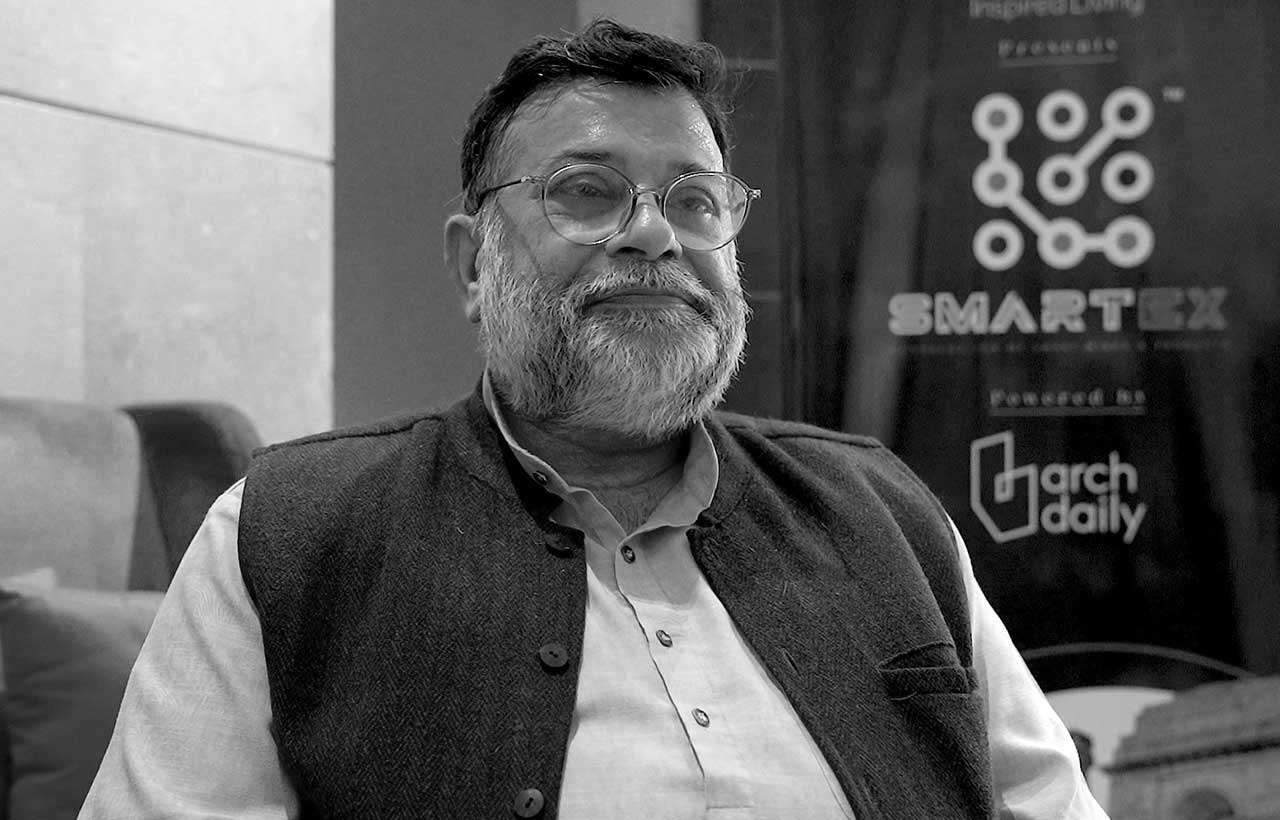
In the landscape of architecture education in India, few names reflect the synergy of practice and pedagogy as effectively as Prof. Manoj Mathur. A veteran architect and educator, he has been associated with the prestigious School of Planning and Architecture, New Delhi since 1990, contributing significantly to both academic discourse and real-world architectural practice. His work spans multiple domains, making him a key contributor to public architecture India and infrastructure-led development.
About Prof. Manoj Mathur
Prof. Manoj Mathur is widely recognised as a practicing architect whose work is deeply rooted in purpose, usability, and social relevance. With over three decades of experience, he has built a diverse portfolio that includes commercial, educational, healthcare, infrastructure, and group housing projects.
What distinguishes him in the field of Indian architect profile narratives is his consistent focus on functionality. Rather than designing for visual impact alone, his projects are driven by user needs and contextual understanding—making his work both practical and enduring.
Beyond practice, his role as an educator has influenced generations of architects. His ability to bridge theory with practice makes him a vital voice in architecture education in India, especially at a time when the discipline is rapidly evolving.
Professional Practice & Independent Architectural Firm
Alongside his long-standing academic career at the School of Planning and Architecture, New Delhi, Prof. Manoj Mathur is also the founder of the Delhi-based architectural practice Mathur & Kapre Associates. This professional engagement further strengthens his position within the Indian architect profile landscape, allowing him to actively contribute to the built environment beyond academia.
The firm reflects the same design ethos that defines his academic work—rooted in functionality, contextual sensitivity, and user-centric planning. Through Mathur & Kapre Associates, he has delivered a wide spectrum of projects across sectors such as infrastructure, institutional, healthcare, and group housing, contributing meaningfully to public architecture India.
This dual engagement with both academia and professional practice enables him to continuously bridge theory and execution, ensuring that his design thinking remains grounded, relevant, and responsive to real-world challenges.
Academic Career at SPA Delhi
Prof. Mathur’s long-standing association with the School of Planning and Architecture, New Delhi reflects his commitment to academic excellence. As a senior faculty member in the Department of Architecture, he has been actively involved in teaching, mentoring, and guiding students since 1990.
The institution itself is one of the most respected centres for architectural learning in India, and his contribution has been instrumental in shaping its academic environment. His teaching approach focuses on:
- Encouraging practical problem-solving
- Integrating real-world challenges into studio work
- Promoting contextual and user-centric design thinking
- Bridging academic theory with professional practice
Through his role, he has helped nurture a generation of architects who are not only skilled designers but also responsible contributors to society. His academic journey reflects the growing importance of architecture education in India, where educators play a crucial role in shaping future built environments.
As a former Dean and senior faculty member, he contributed significantly to shaping the academic environment at SPA. His legacy continues through the many students and professionals influenced by his teaching.
Notable Projects
Over the years, Prof. Manoj Mathur has contributed to several landmark projects across India. His work reflects a strong understanding of scale, functionality, and public engagement—making him a significant contributor to public architecture India.
Sai Baba Temple Complex, Shirdi
One of his most recognised works is the Sai Baba Temple Complex in Shirdi. This project demonstrates how architecture can respond to large-scale public use while maintaining spiritual and cultural sensitivity.
The design focuses on:
- Efficient crowd movement
- Functional zoning
- Integration of traditional and contemporary elements
The project stands as an example of how religious architecture can be both organised and user-friendly, especially in high-footfall pilgrimage destinations.
AIIMS Flyover, New Delhi
Infrastructure projects often demand precision, efficiency, and large-scale coordination. The AIIMS Flyover in New Delhi is a testament to Prof. Mathur’s expertise in this domain.
As a key example of infrastructure architecture India, the project addresses:
- Traffic decongestion
- Urban mobility challenges
- Structural efficiency
It highlights how architectural thinking extends beyond buildings into urban infrastructure—shaping how cities function on a daily basis.
FDDI, Noida
The campus design for the Footwear Design and Development Institute (FDDI) in Noida reflects his ability to create educational environments that support learning and interaction.
The project integrates:
- Functional academic spaces
- Circulation-friendly planning
- Open and interactive zones
It stands as a strong example of institutional architecture India, where spatial planning enhances both usability and user experience.
Design Philosophy
At the core of Prof. Manoj Mathur’s work lies a clear and grounded philosophy—architecture must serve people first.
His design approach can be understood through the following principles:
- Purpose-driven design: Every project is shaped by its intended use and user needs
- Contextual relevance: Designs respond to site, climate, and cultural context
- Functional clarity: Spaces are organised for efficiency and ease of use
- Simplicity with strength: Avoiding unnecessary complexity while maintaining design integrity
This philosophy aligns closely with the evolving direction of public architecture India, where the focus is shifting towards usability, sustainability, and long-term value.
Rather than pursuing visual spectacle, his work reflects quiet confidence—where design decisions are informed by logic, experience, and human behaviour.
Awards and Recognition
Over the course of his career, Prof. Manoj Mathur has earned recognition for his contributions to both architecture and education. His projects, particularly in the public and institutional sectors, have received widespread appreciation within the architectural community.
His reputation is built not only on completed projects but also on his influence as an educator. Within professional circles, he is respected for:
- His commitment to architectural education
- His contribution to public architecture India
- His ability to mentor and guide emerging architects
- His consistent delivery of purposeful, user-centric design
Such recognition highlights his dual role—as both a practicing architect and a dedicated academic—making him a significant figure in Indian architect profile narratives.
Why Prof. Manoj Mathur’s Work Matters Today?
In today’s rapidly changing architectural landscape, the need for thoughtful, user-oriented design has never been greater. Prof. Manoj Mathur’s work offers valuable lessons in balancing creativity with responsibility.
His career demonstrates that:
- Architecture must address real-world challenges
- Education and practice must go hand in hand
- Public projects require sensitivity and precision
- Simplicity often leads to more effective design outcomes
As cities expand and infrastructure evolves, architects like him continue to shape the future of public architecture India.
Conclusion
Prof. Manoj Mathur represents a rare blend of experience, knowledge, and dedication. Through his long association with the School of Planning and Architecture, New Delhi and his impactful professional work, he has contributed significantly to both architectural practice and education.
His projects reflect a deep understanding of function and context, while his teaching continues to inspire new generations of architects.
In a field often driven by visual trends, his work stands as a reminder that architecture, at its core, is about people—how they live, move, and interact with the spaces around them.
Stay Connected with Building Material Reporter: At Building Material Reporter, we are committed to bringing you the latest and most impactful updates from the world of construction and design. Stay tuned for more insights and ideas on cutting-edge construction technology, green buildings, home decor, interior design, innovative materials, new projects, and architectural advancements. Your go-to source for inspiration and knowledge in the industry—because we believe in serving the best.