
Beyond Boundaries of Thought: Ar. Dharam Patel on Contextual Architecture in India
- November 26, 2025
- By: Syed Md. Ehteshamul Hasan
- INFLUENCERS
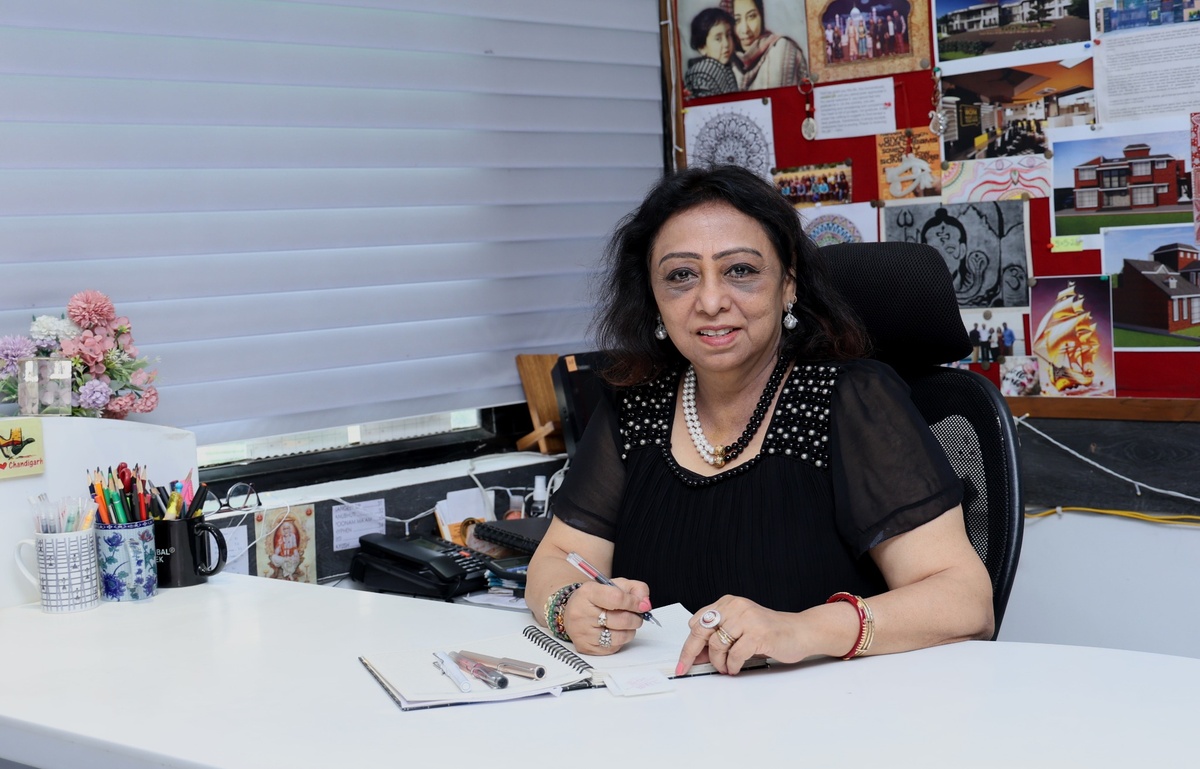
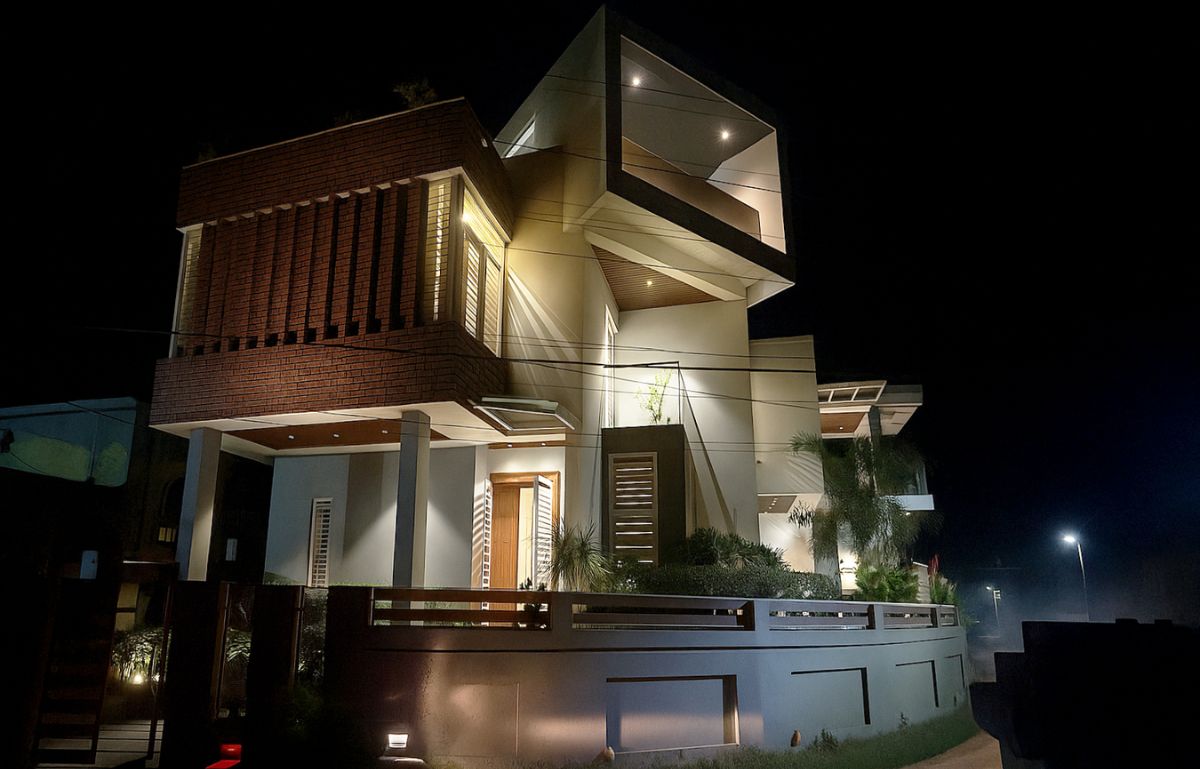
Vadodara, often celebrated as a cultural nucleus of art and design, has long shaped the sensibilities of architects who grow within its layered urban fabric. Among them, Ar. Dharam Patel, one of the most respected architects of Vadodara, and the driving force behind Art and Architecture Associates Vadodara, stands out as a practitioner who has built his reputation on contextual architecture in India.
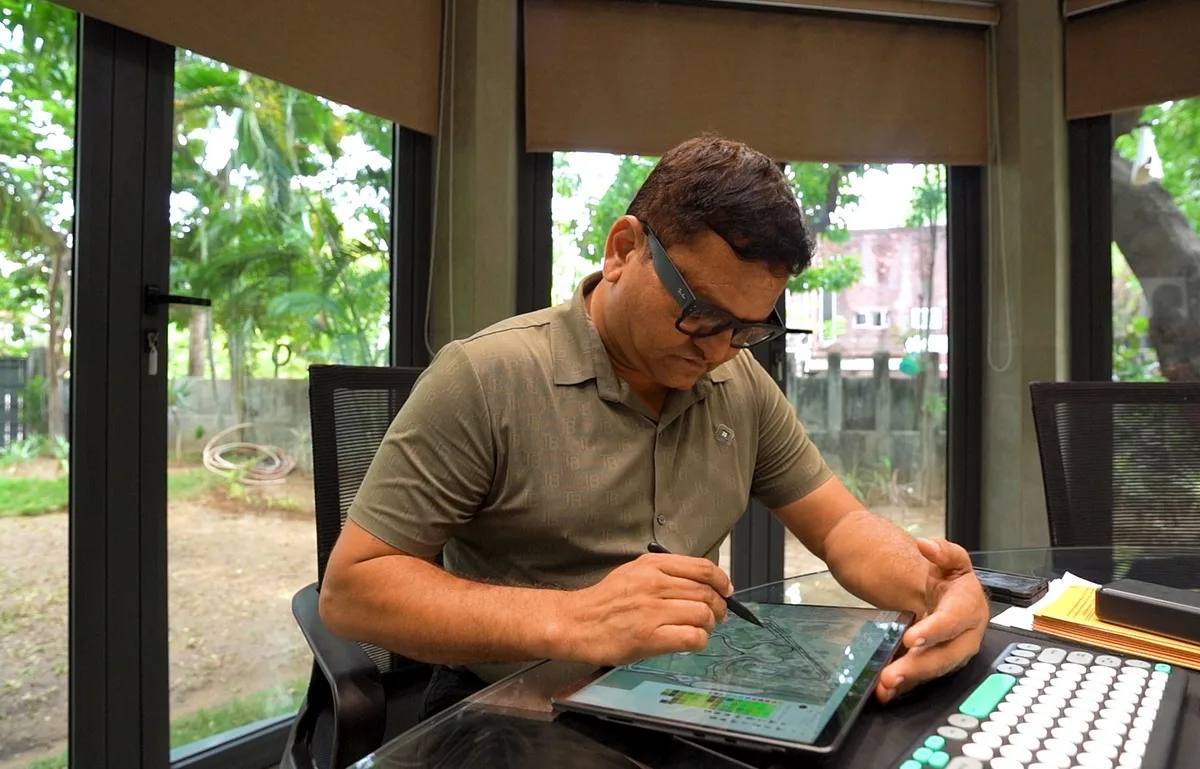
With a professional journey spanning over two decades and enriched by travels across more than 100 countries, Patel brings a rare perspective that blends experiential learning with architectural intuition. His approach moves beyond stylistic boundaries, grounded instead in observation, strong material sensibility in the architecture, and a deep respect for nature and culture.
In this exclusive interaction with Building Material Reporter, he reflects on his journey, Vadodara’s influence, and the evolving nature of practice—offering insights into how contextual architecture in India continues to shape meaningful design responses today.
As an architect, where do you primarily draw your inspiration from?
As architects, inspiration surrounds us at all times. Every place you visit offers something unique to learn from. For instance, in regions like Rajasthan, one can observe hand-moulded roof tiles and intricate detailing executed with remarkable precision—something that even today’s advanced engineering sometimes struggles to replicate.
When we revisit historical structures, it becomes evident how intelligently they were designed without reliance on modern technologies such as air conditioning or mechanical systems. These are powerful examples of climate-responsive architecture, achieved long before mechanical interventions became the norm.
For me, inspiration comes from everything—the materials, construction techniques, cultural practices, and even the people. My material sensibility for architecture has been shaped significantly by studying regional craftsmanship and traditional building materials in India, which continue to inform contemporary design thinking.
At what point did architecture become your chosen profession?
Interestingly, architecture was never a predetermined choice for me. I was initially inclined towards engineering—particularly electrical and electronics—and spent a great deal of time experimenting with circuits and components.
The turning point came through a school friend who aspired to pursue architecture. While helping her explore colleges, I found myself stepping into the same path, quite unexpectedly. Ironically, I secured admission while she did not, and that is how my journey began.
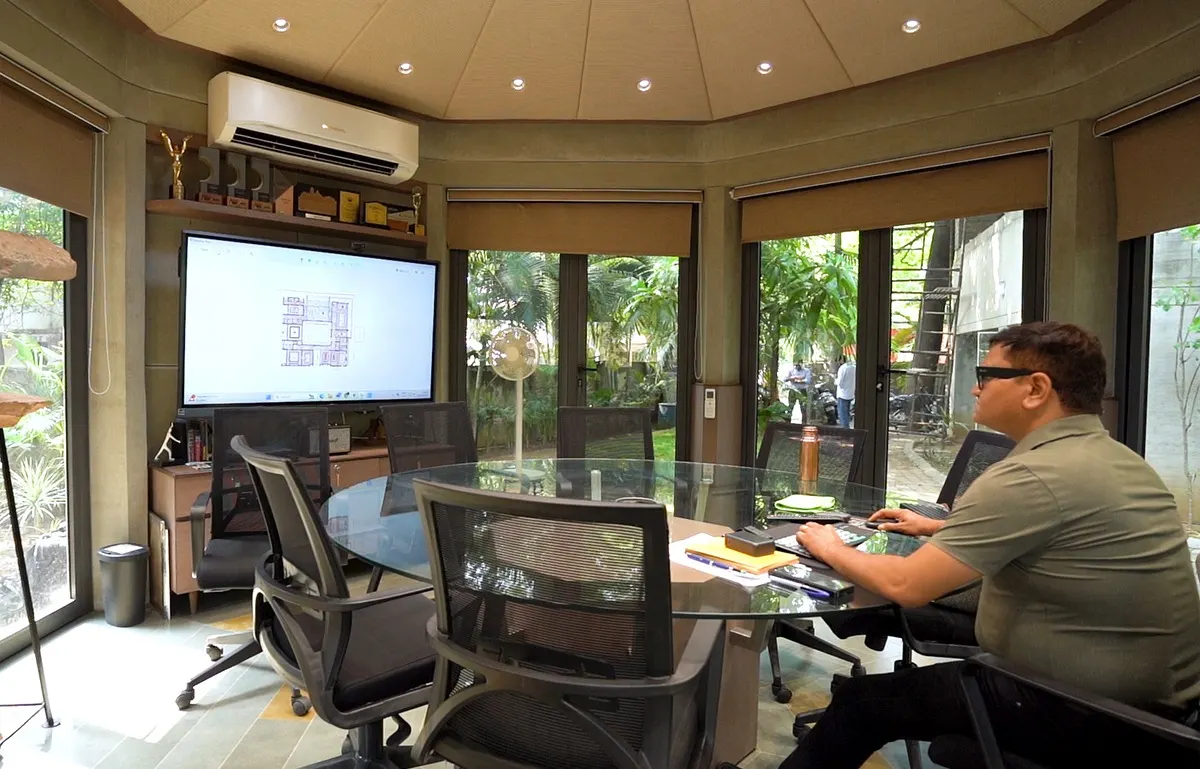
Over time, as I immersed myself in the discipline, I realised that architecture resonated deeply with my creative instincts. Vadodara, with its layered urban fabric and design consciousness, also played a key role in shaping this inclination.
How has Vadodara influenced your architectural outlook?
Vadodara’s influence has been both profound and enduring. The city’s evolution under visionary leadership, particularly Maharaja Sayajirao, laid a strong foundation for education, culture, and infrastructure. This environment fostered an appreciation for design at multiple levels.
Growing up here meant constant exposure to well-proportioned spaces and thoughtful detailing. The city’s fabric—where modern interventions coexist with heritage architecture in India—has significantly shaped my understanding of design. This very ethos of contextual architecture in India continues to guide my approach, encouraging a balance between past and present.
How do you navigate working with increasingly informed clients today?
I see this as a positive transformation. Today’s clients are far more aware—they travel extensively, engage with global trends, and have access to diverse design references through digital platforms. This pushes architects to elevate their thinking and deliver more refined outcomes.
There is also a noticeable shift in aspiration levels. Even middle-class homeowners are increasingly willing to invest in design that reflects their personality and lifestyle. For us, the client remains central to the process, and aligning our design vision with their expectations is where meaningful architecture truly emerges.
How do you balance cultural heritage with contemporary design trends?
Architecture is constantly evolving, and trends are an inevitable part of this journey. However, trends are transient. What remains constant is the importance of responding to context. Every project is shaped by its site, climate, and user needs.
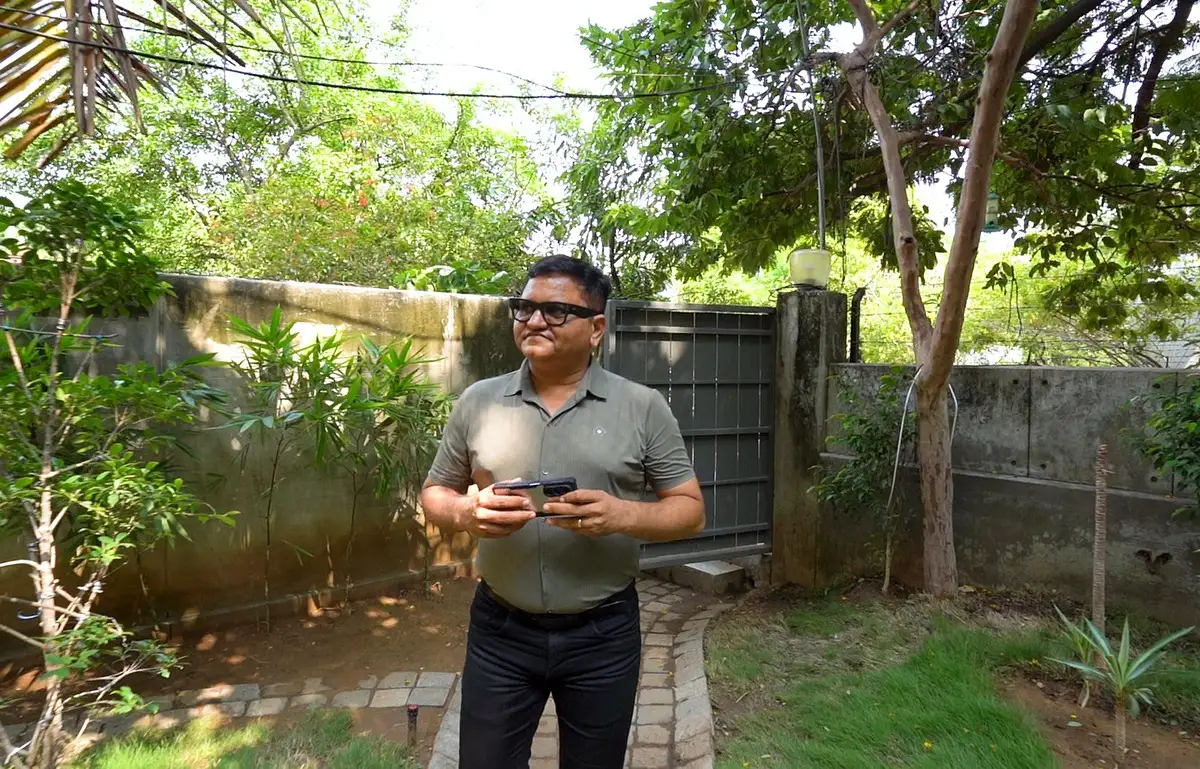
Contemporary minimalism in architecture has certainly influenced how we perceive and reinterpret traditional spaces. Yet, it is important to adopt a contextual architecture approach, ensuring that modern aesthetics do not overshadow climate, culture, and material relevance. The aim is not to follow trends blindly but to create architecture that is both timeless and rooted.
Could you elaborate on the challenges behind projects like ITC Udaipur?
Projects like ITC Udaipur represent defining moments in one’s practice. This particular project, which evolved over nearly a decade, became one of our landmark works as a luxury resort in India.
When we first visited the site in 2013, the vision was to develop a luxury villament project. The initial phases progressed smoothly, with concept design and sample units underway. However, demonetisation disrupted financial flows, forcing a complete rethinking of the project.
Rather than halting progress, we adapted the partially developed structures into a high-end resort. This required reworking strategies, reinterpreting the existing built form, and aligning it with a new vision. The experience reinforced the importance of adaptability and resilience in architectural practice.
How do you incorporate sustainability into your design philosophy?
Sustainability today is not optional—it is fundamental. With increasing environmental challenges, architects must actively contribute to shaping responsible built environments.
In our practice, every project begins with a conscious evaluation of its environmental impact. From material selection to performance efficiency, each decision is carefully considered, placing sustainable architecture at the core of our approach.
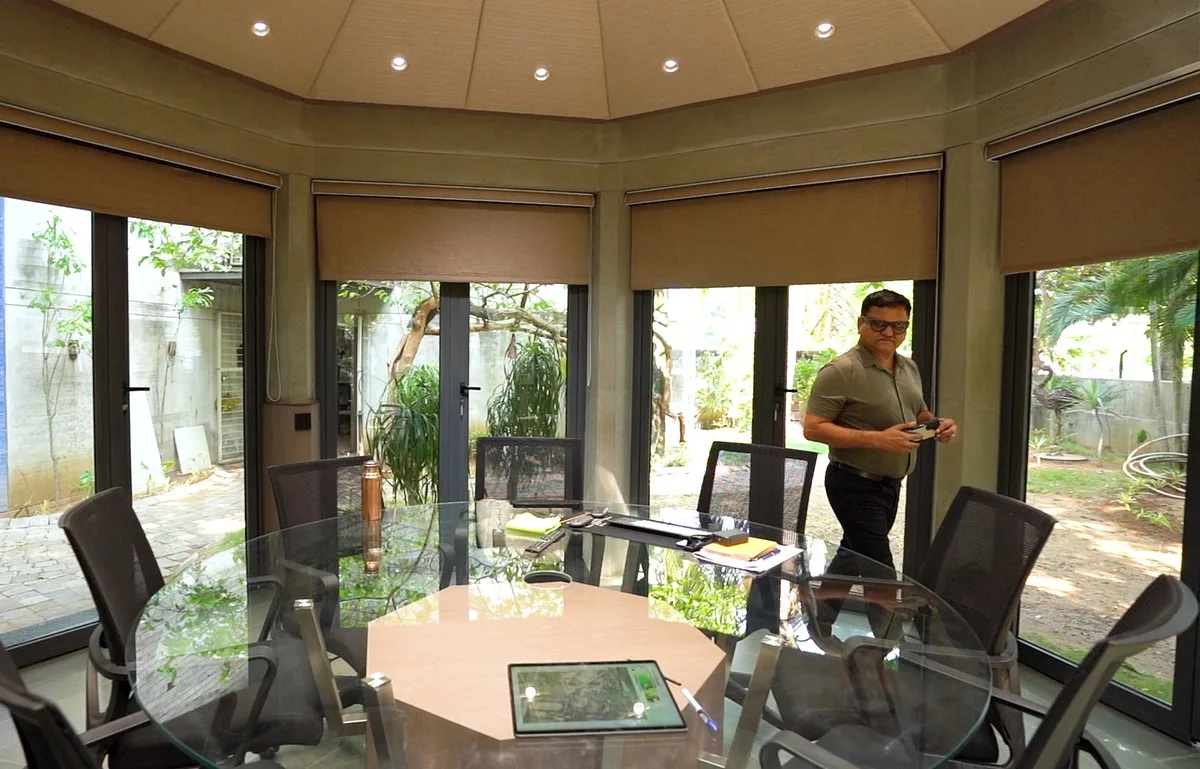
Optimising natural light, enhancing ventilation, and selecting appropriate materials are not add-ons but integral to the design process. Moving forward, architecture must continue to evolve towards more environmentally responsive solutions.
What lessons can modern architecture learn from historical structures?
Historic architecture offers invaluable lessons in durability and intelligence of design. The materials used were inherently robust, and the level of detailing ensured longevity. These structures demonstrate how climate-responsive architecture was embedded within design long before modern systems existed.
The study of traditional building materials in India and the climate-responsive architecture of ancient India reveals how structures could remain comfortable, efficient, and timeless. There is much to learn from these precedents, particularly in creating architecture that is both sustainable and enduring.
About Building Material Reporter
Building Material Reporter (BMR) is India's leading media platform covering the building materials, construction, and architecture industry. From product launches and industry news to expert interviews and market trends, BMR keeps professionals, developers, and designers informed and ahead of the curve.
Visit: www.buildingmaterialreporter.com
Conclusion
Through his work, Ar. Dharam Patel continues to demonstrate how contextual architecture in India can respond meaningfully to site, culture, and climate. His approach—rooted in observation, material understanding, and adaptability—reinforces the growing importance of sustainable architecture in India in contemporary practice.
As architecture moves forward, voices like his remind us that the future of design lies not in imposing ideas, but in understanding context, respecting heritage, and creating spaces that truly belong to their environment.
FAQs
1. What is contextual architecture in India?
In India, contextual architecture refers to a design approach that responds to its surroundings — including climate, culture, materials, and site conditions. Architects like Dharam Patel focus on creating buildings that belong to their environment rather than imposing a universal style.
2. Who is Dharam Patel and what is Art & Architecture Associates Vadodara?
Ar. Dharam Patel is a Vadodara-based practitioner and founder of Art & Architecture Associates Vadodara. With over two decades of experience and global exposure, his work is rooted in contextual architecture in India and a strong understanding of material and site responsiveness.
3. How does climate-responsive architecture influence modern design in India?
Climate-responsive architecture ensures that buildings adapt to local weather conditions through natural ventilation, shading, and orientation. This approach reduces dependency on mechanical systems and aligns closely with sustainable architecture in India practices.
4. What role do materials play in Dharam Patel’s design philosophy?
Material selection is central to his process. His material sensibility architecture is shaped by traditional craftsmanship and the use of building materials in India, ensuring durability, authenticity, and contextual relevance in every project.
5. What challenges do architects face in luxury resort projects in India?
As seen in projects like ITC Udaipur, working as a luxury resort architect India involves adapting to site constraints, financial shifts, and evolving project visions. Flexibility and long-term thinking become critical in such large-scale developments.
6. How can modern architecture learn from historical structures in India?
Historic buildings demonstrate the value of climate-responsive architecture and efficient use of building materials in India. They offer lessons in durability, sustainability, and design intelligence that remain relevant even today.