
Design To Define Lucknow: Inside The City’s Design Gathering
- January 10, 2026
- By: Sanyukta Baijal
- NEWS
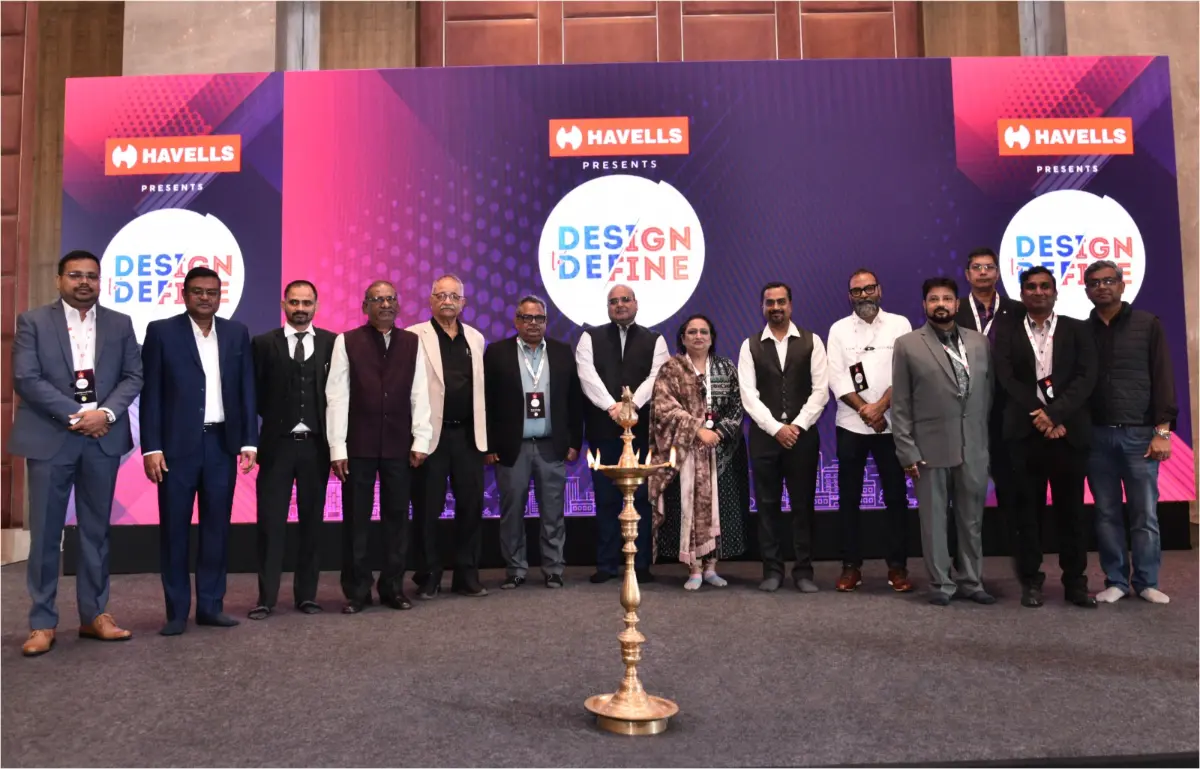
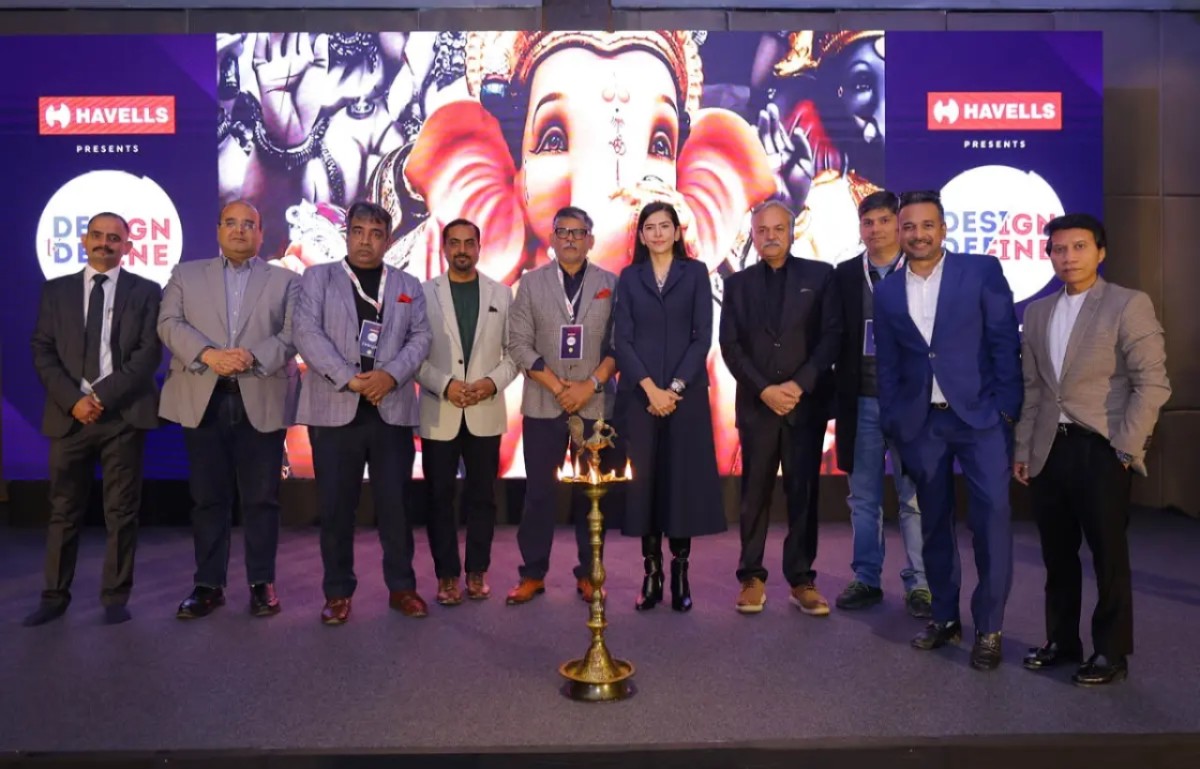
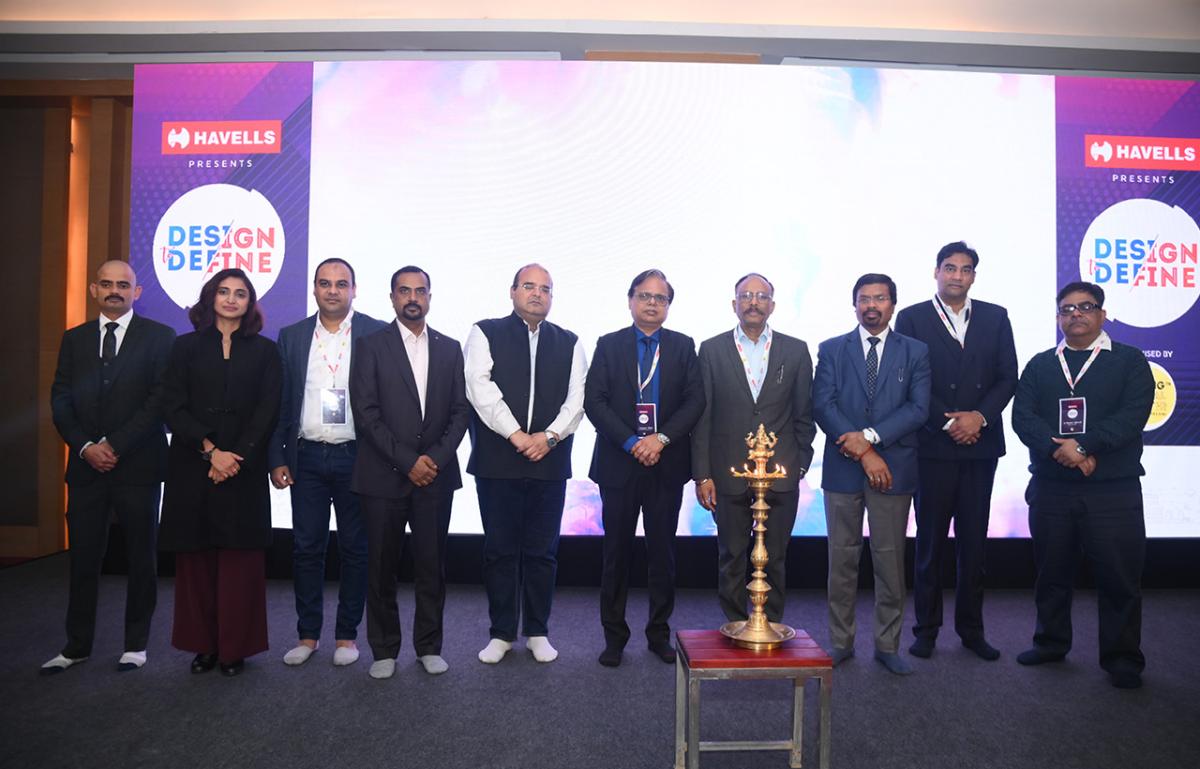
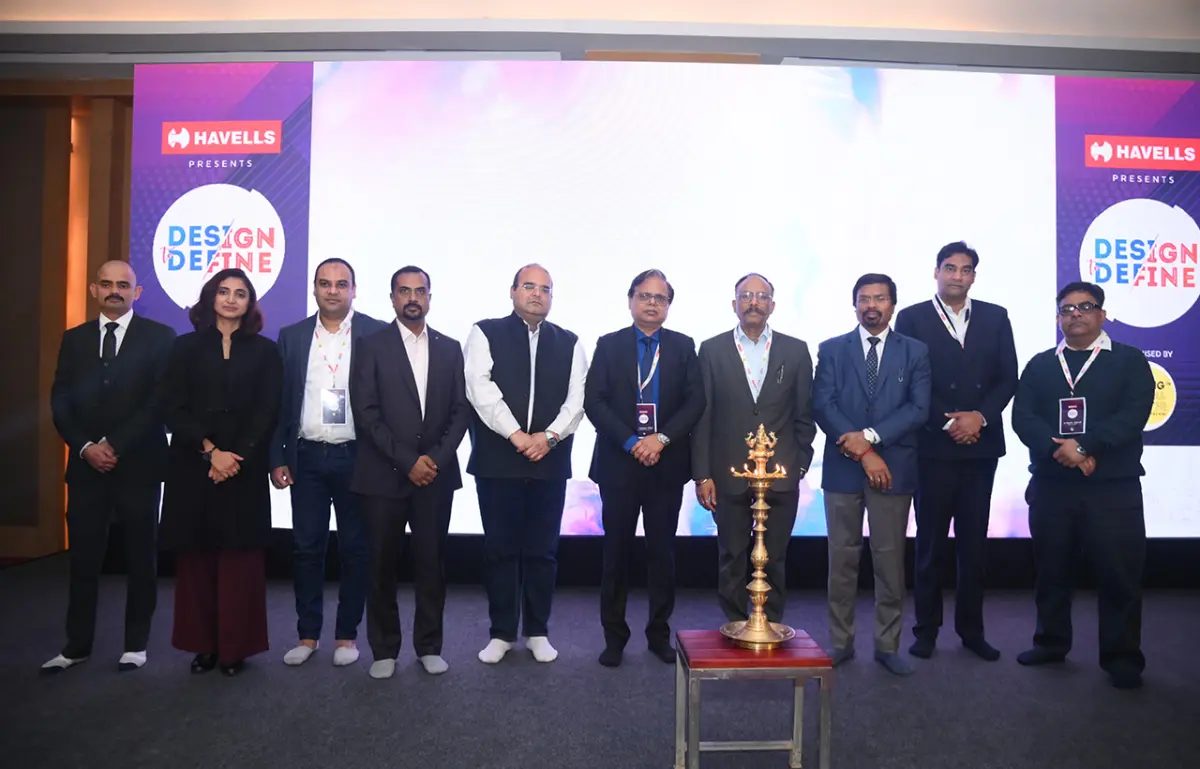 The Design to Define Lucknow edition unfolded with great energy, drawing a full house of architects, designers from across the city. Held in Hyatt Regency on December 19, the event set the stage for free-flowing discussions and a rich exchange of ideas. The entire program which was sponsored by Havells stood as a celebration of Lucknow’s rich architectural heritage.
The evening was graced by who’s who of the design fraternity in Lucknow including some of the most influential architects, interior designers, and industry leaders who brought their views, experience and creative spirit to the forum.
Curated by Ar. Anupam Mittal, Arinem Consultancy Services Pvt Ltd. And powered by Havells, Design to Define Lucknow became a prominent platform for insightful panel discussions and potential collaborations. However, one segment which became the highlight of the event was the much-awaited launch of of Havells’ premium Apogee switch range which was unveiled by the dignitaries.
Let’s deep dive into Design to Define Lucknow edition.
Curator's Note by Ar. Anupam Mittal
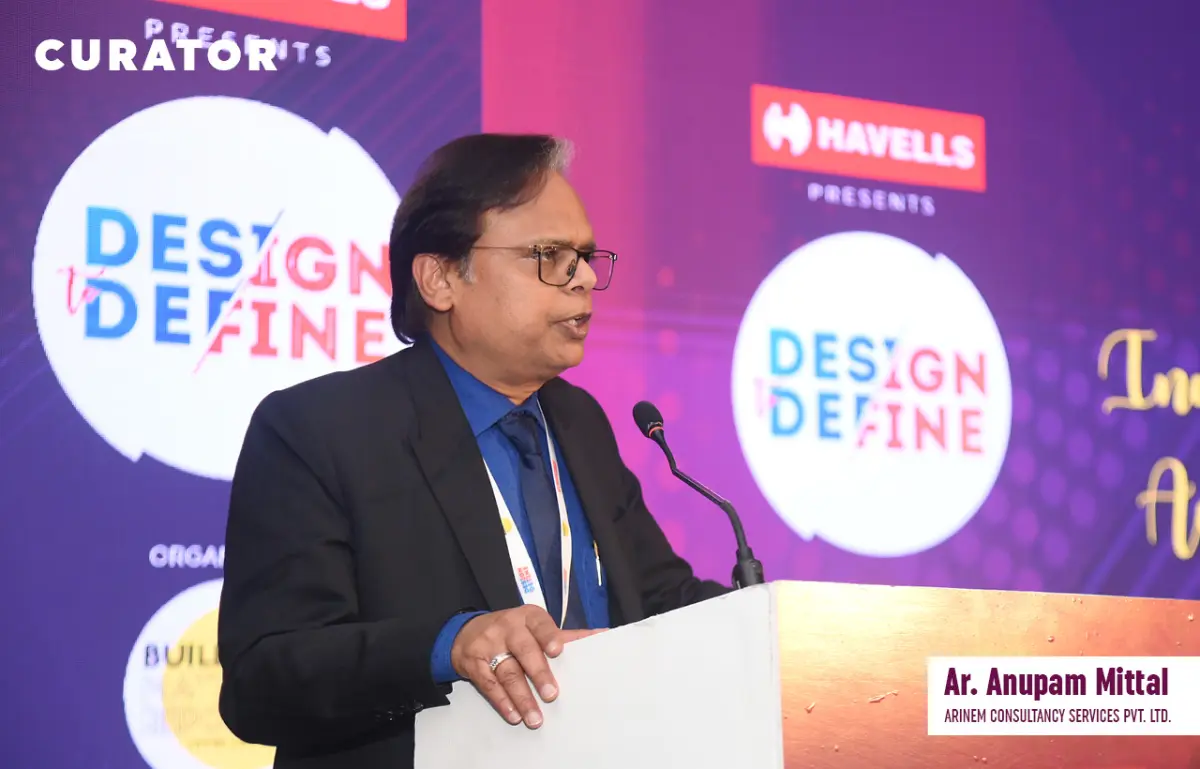
Setting the tone for the day, curator Anupam Mittal highlighted the intent behind the event, crediting the initiative to Mr. Sukesh Singh (founder, BMR) and his team. He said, “This is the reason why we all are sitting together, from the fraternity, from the marketing industry, the designers, definitely very young people to very senior people.”
Mittal further underlined the importance of platforms like Design to Define in bridging the communication gap between product manufacturers, customers and the design community. “How to basically communicate the entire thing to the larger community?” he asked, adding that such forums help architects understand “technology, product specifications, costing, and how we can make our projects better.”
Calling the construction sector “a very big industry,” he reminded the audience that “whatever is around you, everything has been created,” and encouraged younger architects to create “small, small forums within the city” to keep exchanging ideas for “the betterment of the profession.”
Welcome Address by Mayank Mittal, Havells
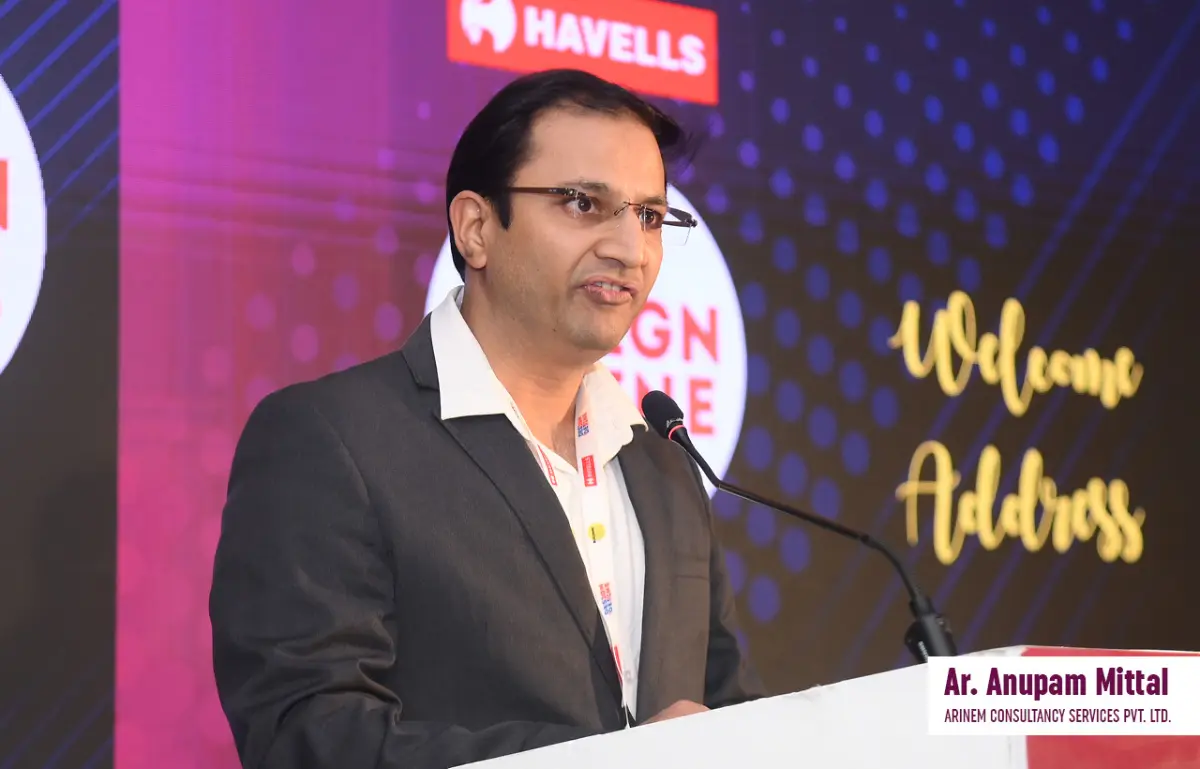 Welcoming the audience to the Design to Define Lucknow edition, Mayank Mittal described the platform as an initiative by Havells to celebrate design, architecture, and path-breaking ideas. He emphasised on how the designers play a major role in shaping India’s infrastructure and development.
Acknowledging the presence of leading architects, designers, industry experts, partners, and colleagues, Mittal extended a special welcome to curator Anupam Mittal, along with the panellists and design fraternity. He spoke about Havells’ strong technology-led approach, underpinned by continuous innovation and future-ready thinking. “Over the year, Havells has made significant investment in innovation, design capabilities, and technologies. Our goal is innovation and therefore, we plan to invest a large percentage into that. Our focus has been clear to build products that are globally benchmarked and deeply related to Indian market and future ready by design.”
Mittal further added, “Design to Define brings together diverse design philosophy, global inspiration, and Indian sensibility. Creating a space where ideas converge, perspectives are exchanged, and the future of design is collectively shaped.”
Panel Discussion 1- Redefining Exclusivity: Personalisation as the New Luxury
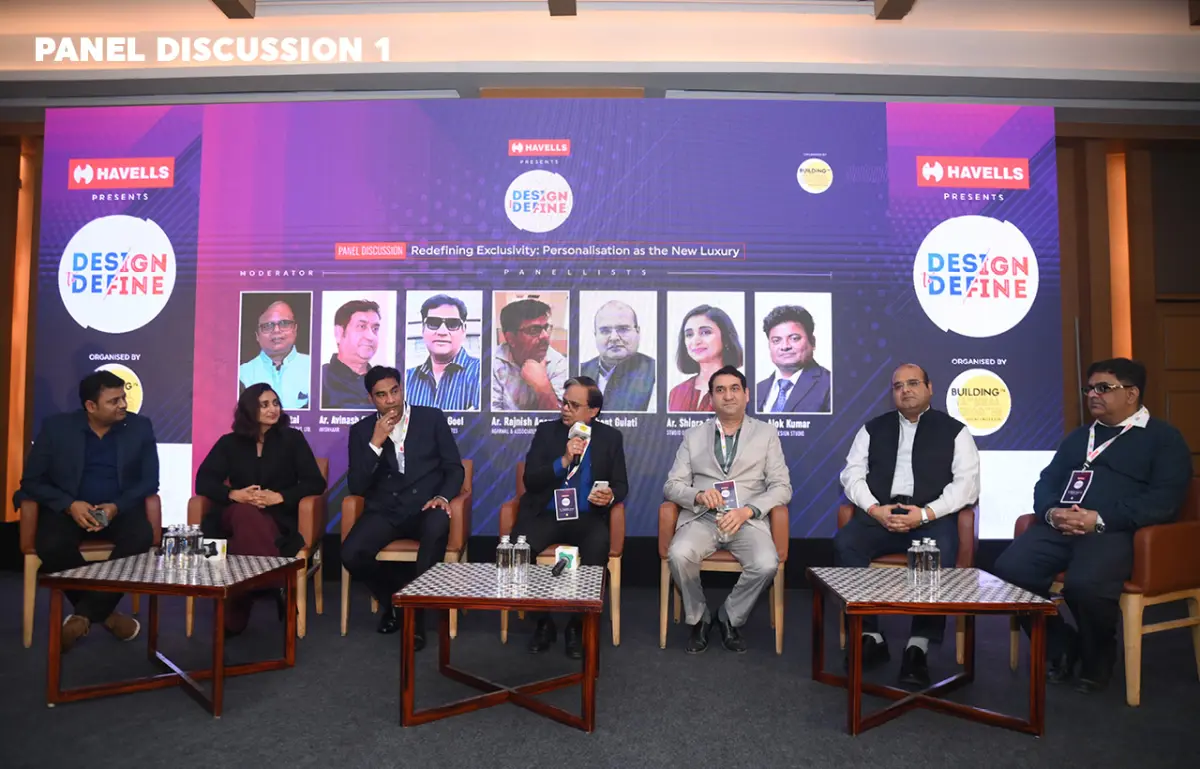
Moderated by Ar. Anupam Mittal himself, the first panel discussion focused on how the idea of luxury has evolved over time. He noted that earlier luxury was “very defined… heavy interiors, heavy curtains,” but today it is “very much personalised.” Every luxury interior, he said, now tells a different story.
Meanwhile, the set of panelists included Ar. Avinash Ghai of Avishkaar, Ar. Vaibhav Goel of Vaibhav Goel and Associates, Ar. Rajnish Agarwal of Agarwal and Associates, Ar. Shipra Singh of Studio 0522, Ar. Alok Kumar of Elements Design Studio and Prashant Gulati of Havells India Ltd.
The dignitaries in the panel seconded Ar. Anupam Mittal’s thoughts and spoke about how bespoken solutions have replaced gaudy expressions of luxury. The discussion highlighted that material choices, planning, and comfort vary across cities, and with Lucknow where homes are more villa-centric and deeply personalised compared to compact metro living, owners want to be involved in almost everything.
Ar. Rajnish Agarwal shared that luxury today lies in understanding people and their lifestyles. On the other hand, Ar. Alok Kumar added, “comfort is a new word for luxury,” stressing peace and ease over excess.
Meanwhile, Mr. Prashant Gulati from Havells pointed out that demand for luxury and customised products has doubled, even in cities like Lucknow and Varanasi. The panel concluded with the fact that future-ready homes are driven by personalisation, comfort, and evolving lifestyles.
Product Launch of Havells by Prashant Gulati
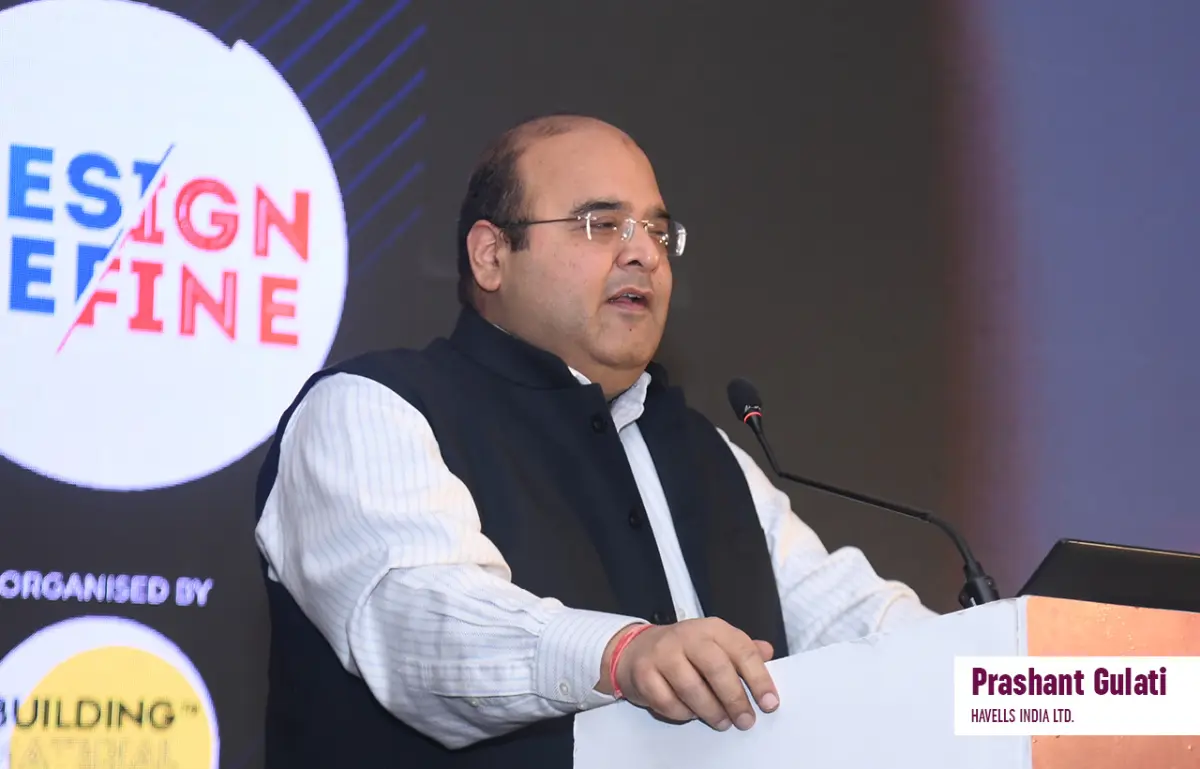 This one was clearly the highlight of the event where Prashant Gulati, Senior Vice President at Havells, introduced Apogee as Havells' most premium switch range. He called it the true pinnacle of switch design in India while showcasing its standout features from metallic plates and handcrafted finishes to ultra-quiet switches that are 60–70% softer than Havells' competitors. The range spans across satin, metal, real wood, glass, and even artisan-crafted zinc plates.
Gulati also unveiled the Apogee Smart Series, for seamless home automation without rewiring. Apart from the new product, he featured Havells’ Made-in-India legacy with pride where he termed strong manufacturing and evolving engagement with the architecture community as their 'backbone'.
Panel discussion 2- Designing for the Next Decade: The Evolution of Future-Ready Homes
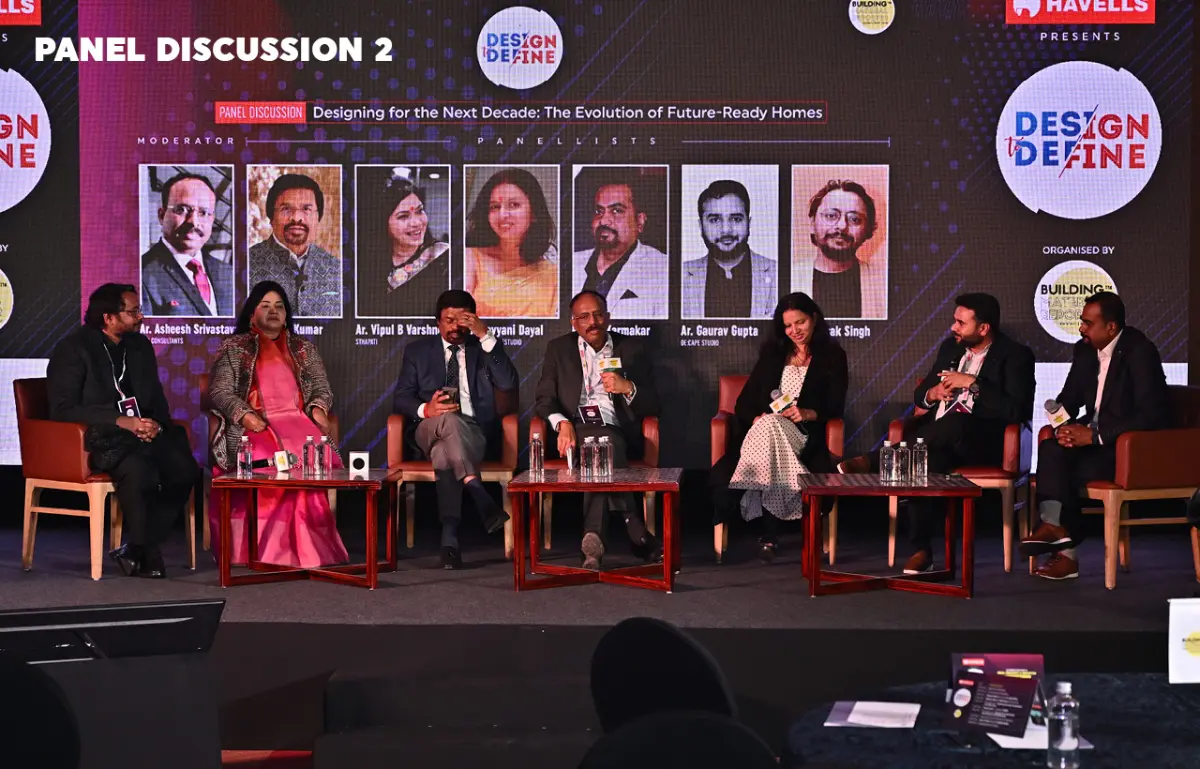 The second panel discussion delved deep into how rapidly evolving lifestyles, technology, and climate change are redefining the idea of homes in the coming decade. Setting the tone, the moderator, Ar. Asheesh Srivastava highlighted that technological development has accelerated change far more rapidly than any previous era. “In the last 30 years alone, we have seen dramatic shifts in materials, lifestyles, and expectations from living spaces”, he said.
Speaking on the changing definition of homes, he explained that residences are no longer rigid, compartmentalised structures. “Earlier, homes were fixed shells with clearly defined rooms, living, dining, kitchen. Today, spaces need to be adaptable, flexible, and contextual,” he added.
The rest of the panel included Ar. Alok Kumar of Arch-En Design, Ar. Vipul B Varshney of Sthapati, Ar. Devyani Dayal of Prayogshala Estudio, Ar. Gaurav Gupta of De:Cape Studio and Ar. Shriyak Singh of Nexarch Studio.
Addressing post-pandemic lifestyle shifts, the panel discussed how homes have transformed into multifunctional ecosystems. “The living room is no longer just a social space, it doubles up as an office, classroom, gym, and wellness zone,” one panellist observed. This shift, they agreed, places a greater responsibility on architects to design spaces that can adapt to diverse professional and personal needs within the same footprint.
Also read: Design To Define Chandigarh: Decoding What Luxury Truly Means In Tech-Savvy Homes
Also read: SDCA Chennai 2025: An Ode To City's Charm And Its Ever-Evolving Architecture
Also read: Havells India: Redefining Smart Living at Smartex 2025