
Exclusive: Industry Experts On Architecture And Interior Trends Of 2026
- December 26, 2025
- By: Sanyukta Baijal
- INFLUENCERS
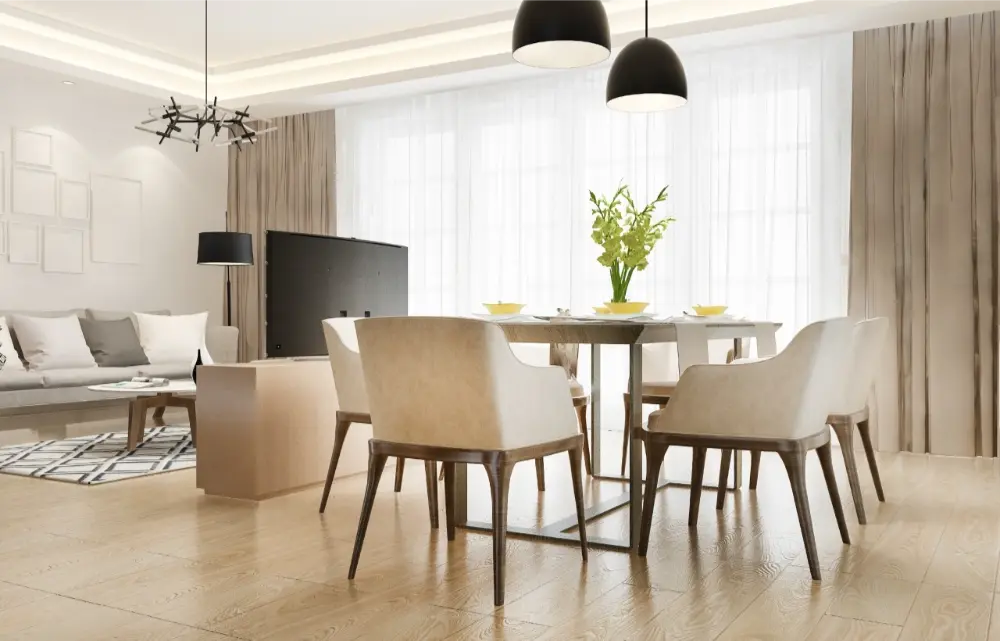
2026 is right around the corner and as we prepare to step into another year, our choices, lifestyles, and design sensibilities continue to evolve. These changes are being shaped by climate, conscious living, and a deeper connection with their homes. People are not only opting for aesthetically pleasing rooms but they are looking for more practical and eco-conscious living spaces.
This year's home design vibe is more about blending minimalism with tactile luxury; nature-inspired materials, with smart technology that respond to latest lifestyle needs as well as environmental consciousness.
Home owners are getting more aware and even designers and builders are moving towards a more holistic design approach. Therefore, we have curated a list of architecture and interior design trends set to define 2026 with the help of industry experts from around the country.
Eco-Conscious Materials
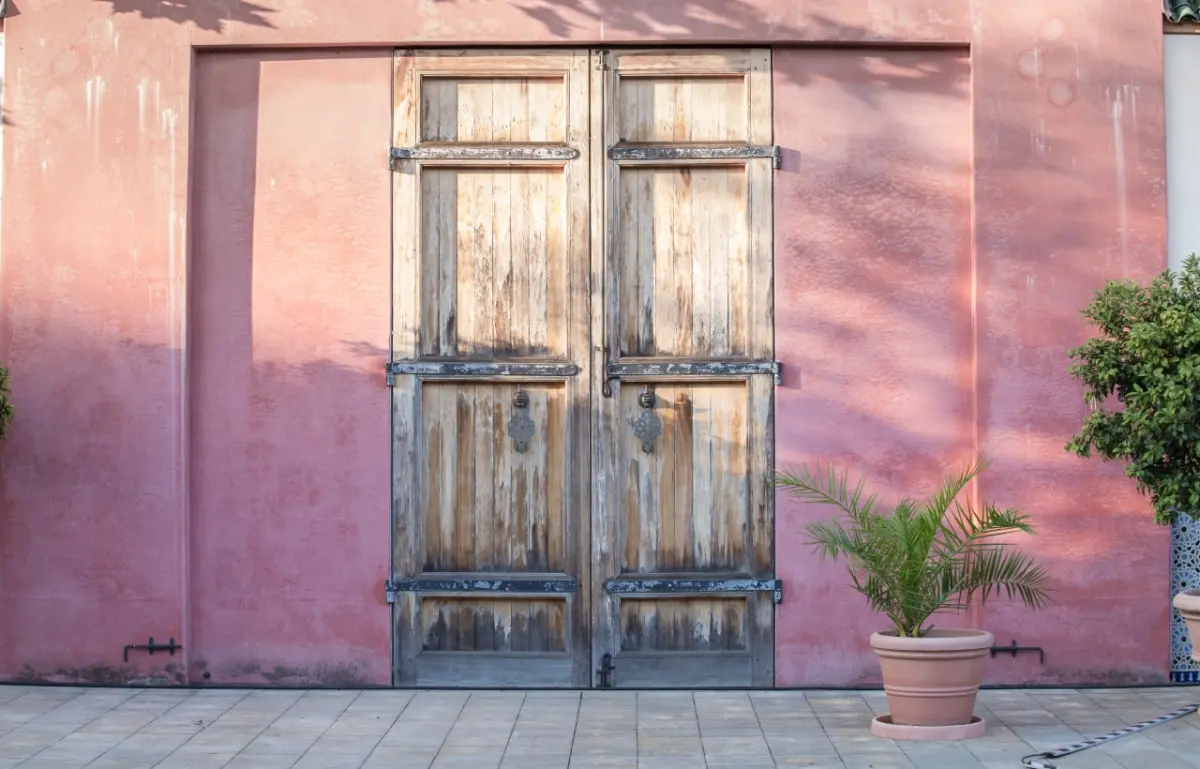
Sustainability is the need of the hour and more than just being a stylistic preference, designers are opting for it as a fundamental design responsibility. The use of eco-conscious materials such as reclaimed wood, low-VOC finishes, and natural, minimally processed surfaces is becoming standard practice throughout the architectural world. For example, wood extracted from old havelis or ancient homes, can be easily restored and turned into rustic, character-rich doors. It won't only look aesthetically pleasing but will be an eco-friendly choice as well, adding history and sustainability to contemporary spaces.
 Ashima Vashisht, Founder & Principal Interior Designer, Tathaya Interiors from Chandigarh says, "Along with the use of eco-conscious materials, the renewed emphasis on artisan-crafted furniture and décor is equally significant, which introduce depth, individuality, and a sense of permanence to living spaces. This shift reflects a broader move toward conscious consumption, where fewer, well-crafted pieces are prioritised over disposable design, resulting in interiors that are not only environmentally responsible but also timeless in their appeal."
Biophilic Architecture & Interiors
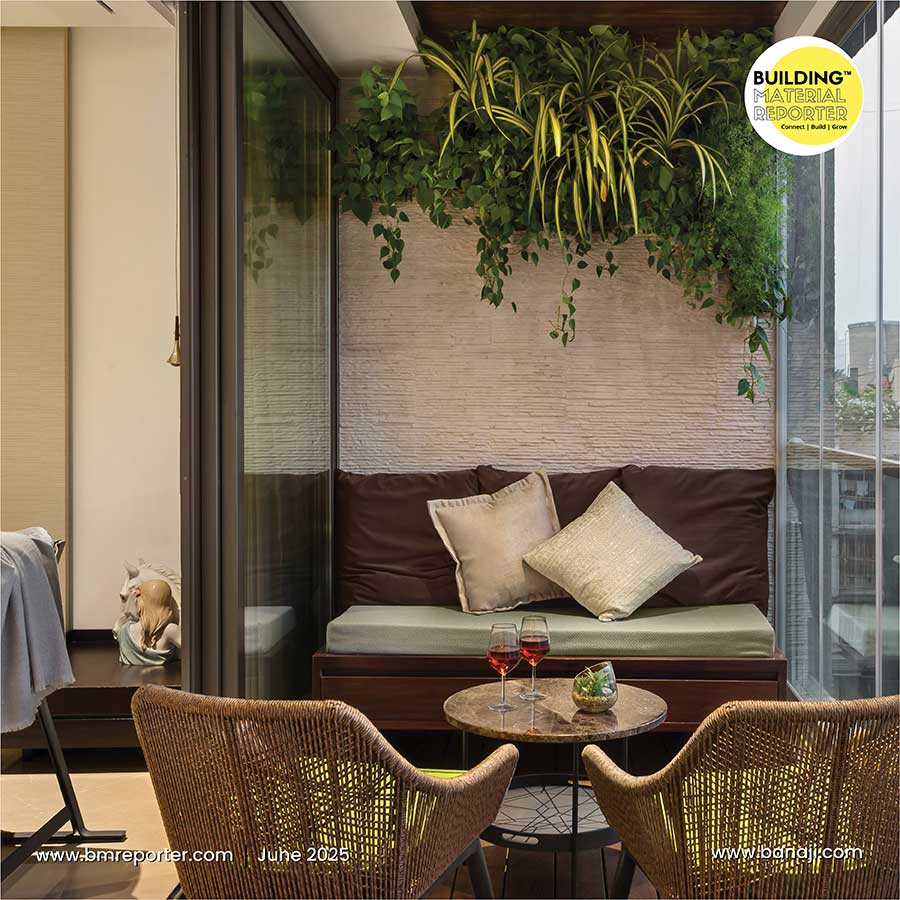
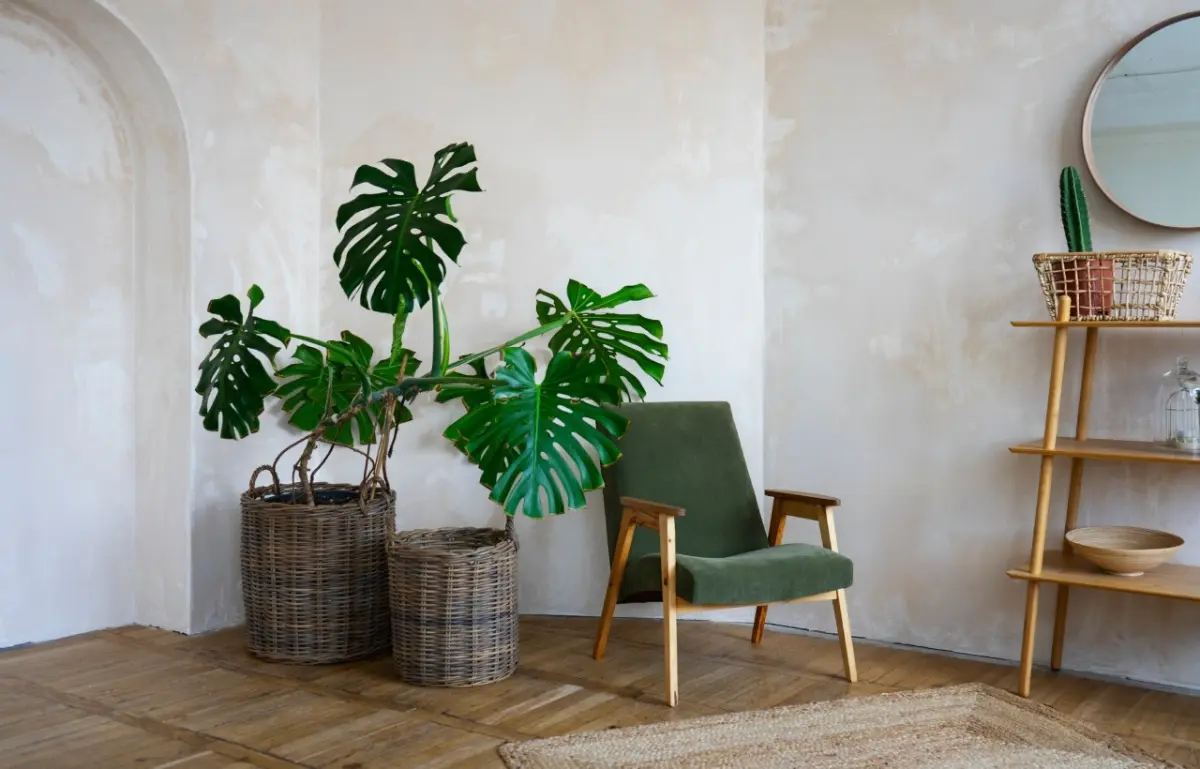 With each passing year, people are increasingly gravitating towards greener, more nature-led interiors which feel calm and lively. A naturally well-lit room with indoor plants makes the entire space more breathable and visually appealing.
Ar. Varun Agarwal of Renascent Consultants, New Delhi says, "Buildings respond to climate, culture, place through local materials, adaptive façades, and smart, energy-efficient systems. Therefore, biophilic designs which include courtyards, green terraces, spaces with maximum inlets of daylight, and ventilation, shape healthier environments. Modular construction and adaptive reuse support flexibility, sustainability, and long-term relevance."

He further added, "Interiors have moved toward warmth, emotion, and sensory comfort. Nature-inspired palettes, curved forms, and tactile materials soften spaces once defined by minimalism. Sustainable finishes, artisanal details, and wellness-led planning prioritise light, air, and acoustic comfort, while statement elements in lighting and furniture add quiet character. Together, these trends reflect a shift toward spaces designed not just to function, but to feel meaningful and human."
Muted Colour Tones
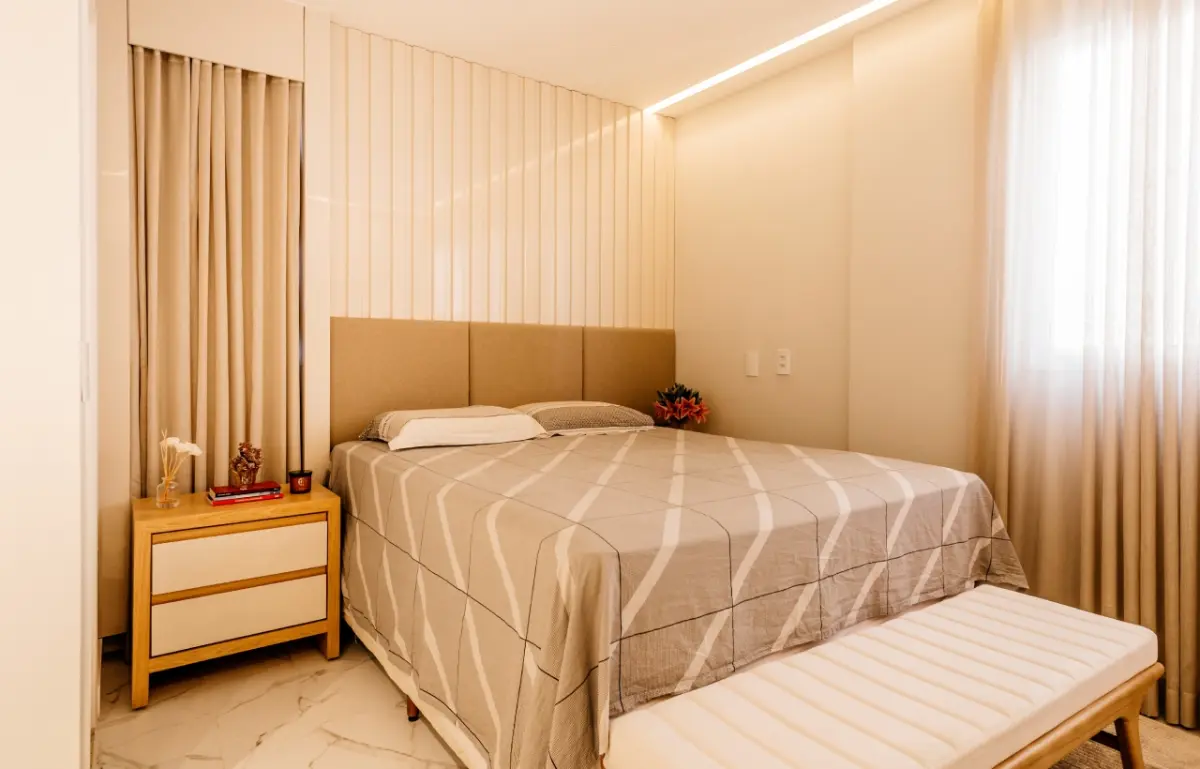
In 2026, indoor colour palettes are set to take a grounded turn, with homeowners and designers switching towards warm and earthy tones that bring depth and a sense of calmness. Interior Designer Devyani Jaiswal of DJ Associates, Kolkata says, "Colour palettes will move towards warm, earthy, and grounded tones such as muted terracotta, soft sand, clay beige, olive green, deep indigo, and charcoal, drawn from Indian landscapes and traditional architecture. These colours will be layered with neutral backdrops to create calm yet expressive spaces rather than visually heavy interiors."
 She even highlighted how Indian sustainable materials will make a comeback. "In terms of design elements, there will be a renewed emphasis on Indian materials and craftsmanship like natural stone, lime plaster, wood, brass, and hand-finished surfaces, reinterpreted in clean, contemporary forms. Ornate detailing will give way to simplified patterns, subtle moldings, and textured surfaces that add depth without excess," she added.
Quiet Opulence Luxury and Old Money Aesthetics
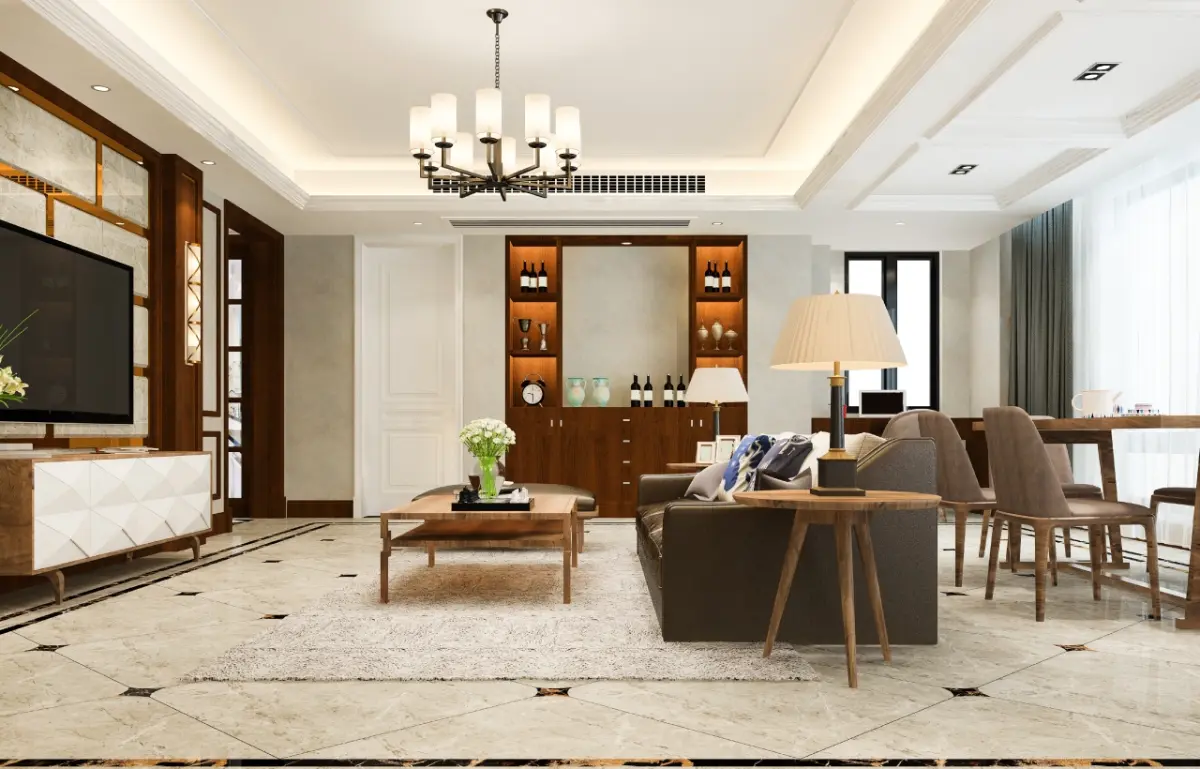
For quite a while, luxury meant clean and straight lines, smooth surfaces, and homes that looked perfect. However, now the trend is changing. People want to live in spaces which exude soulful vibes and have depth. For example, a hand-printed surface treated like art, an old piece of furniture that carries memories, or a lime-plastered wall shaped by skilled hands. The ideas like old-money, heritage, and quiet opulence are returning.
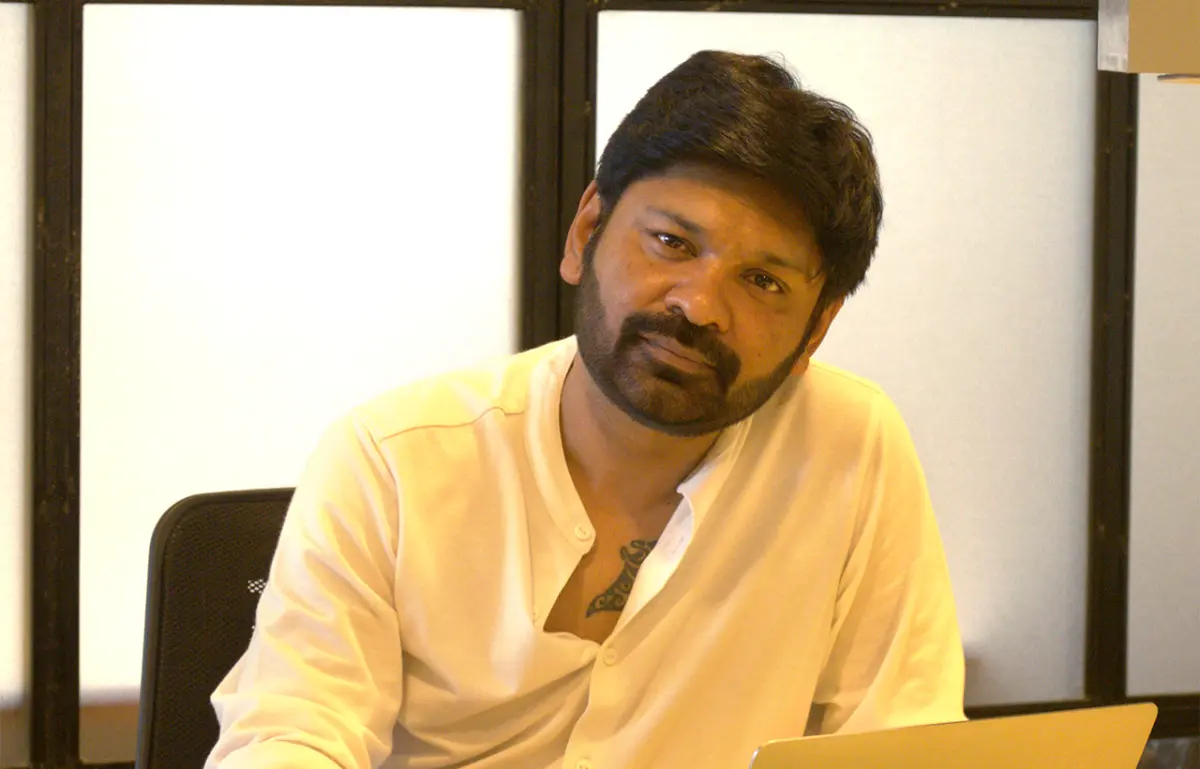 Ar. Rahul Saxena principal architect, Athenos Design Studio says, "In our own work, we are consciously bringing back araish (lime plaster) and Sabyasachi style wallpapers. Although, not as statements everywhere, as quiet, meaningful layers within otherwise simple, contemporary homes."
Organic Flooring
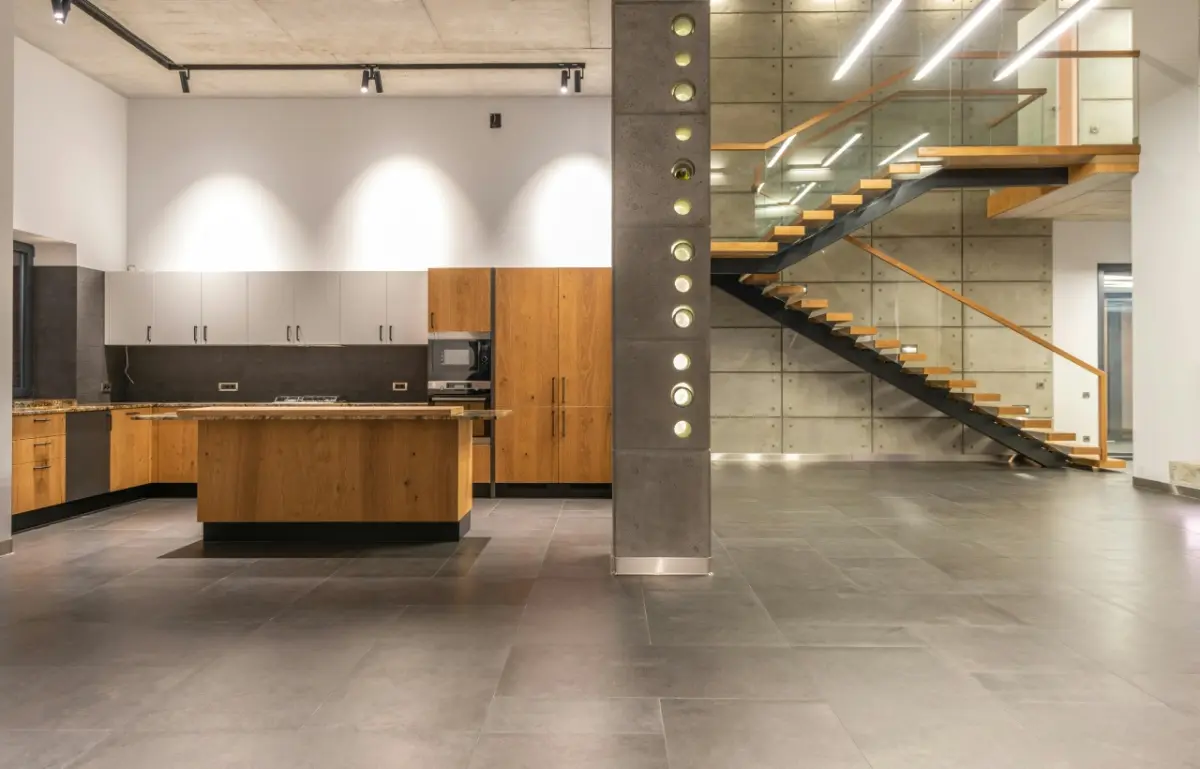
The trend of organic flooring already started shaping in 2025. After tiles and carpets, homeowners are increasingly choosing natural floor finishes such as wood, oxidised surfaces, and cemented floors for their raw, tactile appeal. Mostly wooden flooring is used in cold climate areas and oxidised flooring is for hotter places.
 Ar. Abhay Kumar Kharwar of Abhay Architects & Planners, Gorakhpur says, "There has been a visible change in the behaviour of new homeowners. There are many people who are demanding organic flooring and asking us for ways to work it out. And we are increasingly addressing their demands."
Also read: How Professional Architects Compare Paint vs. Wall Coverings
Also read: Decoding 5 Interior Design Styles That Everyone Talks About
Also read: Three Architects Voice Their Opinions on The Development of Puducherry