
Designing Safe Spaces: Modernism or Conventional Way?
- August 8, 2025
- By: Syed Md. Ehteshamul Hasan
- NEWS
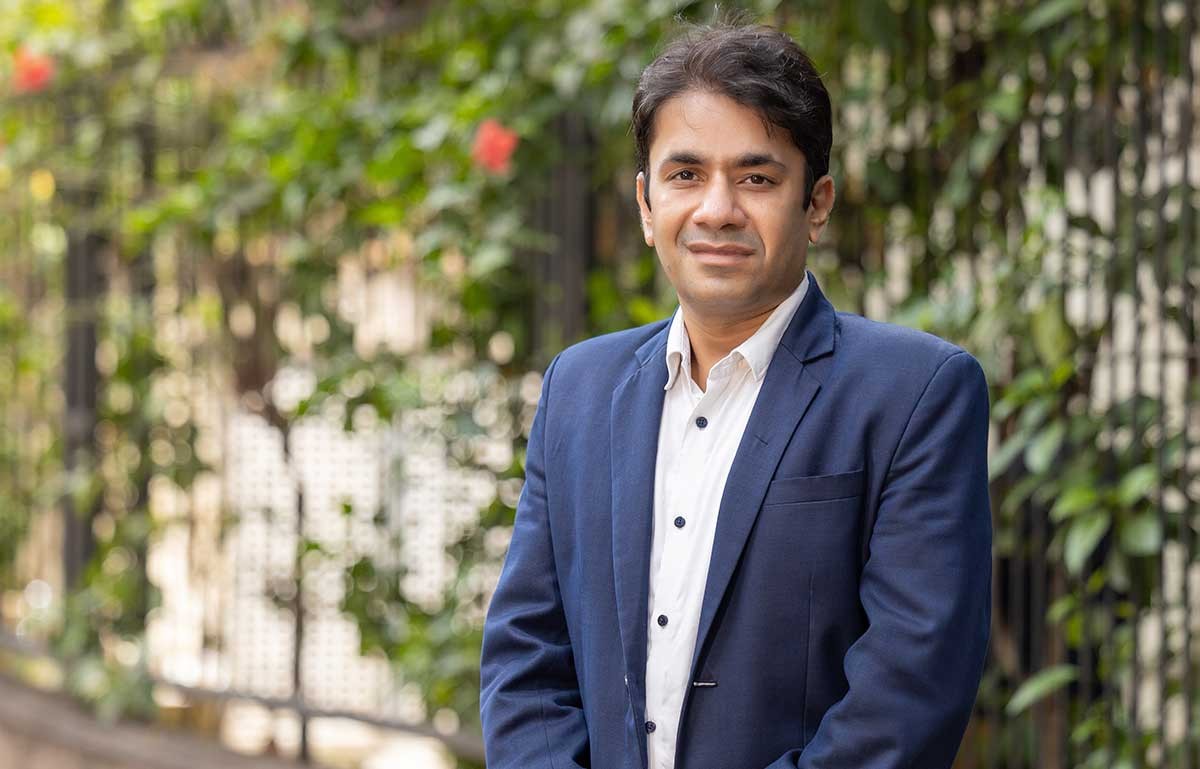
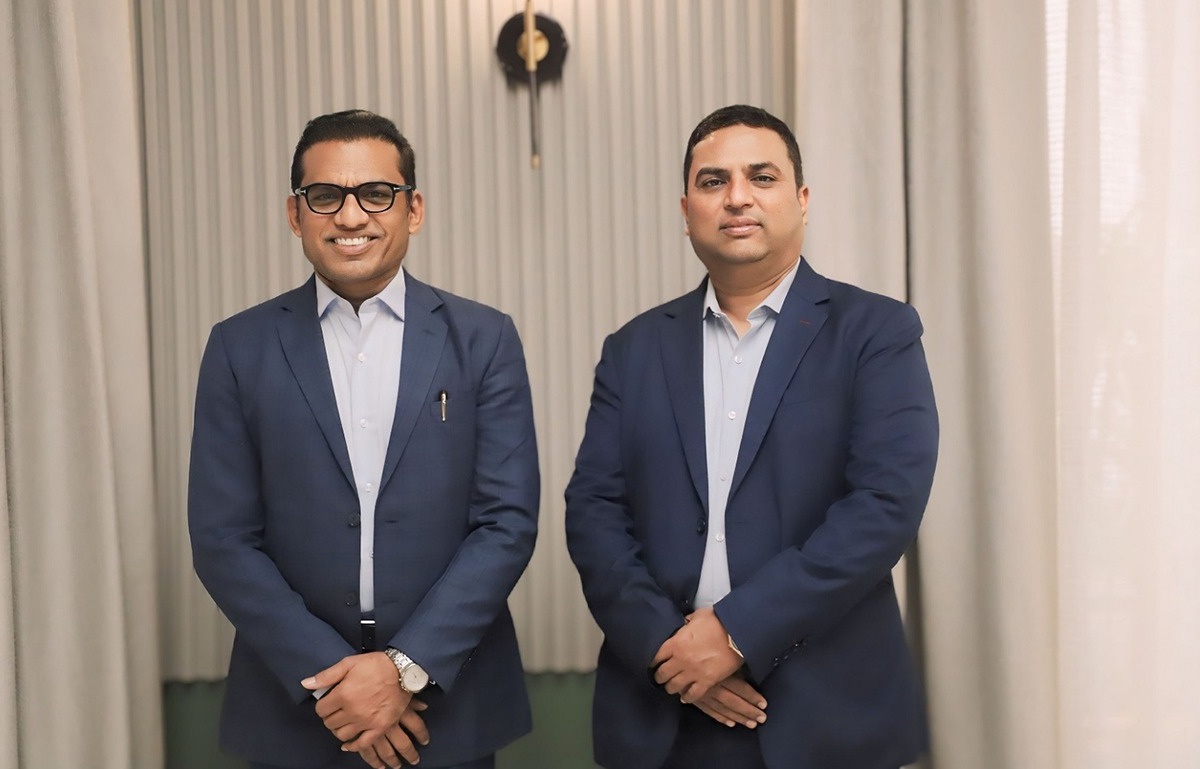
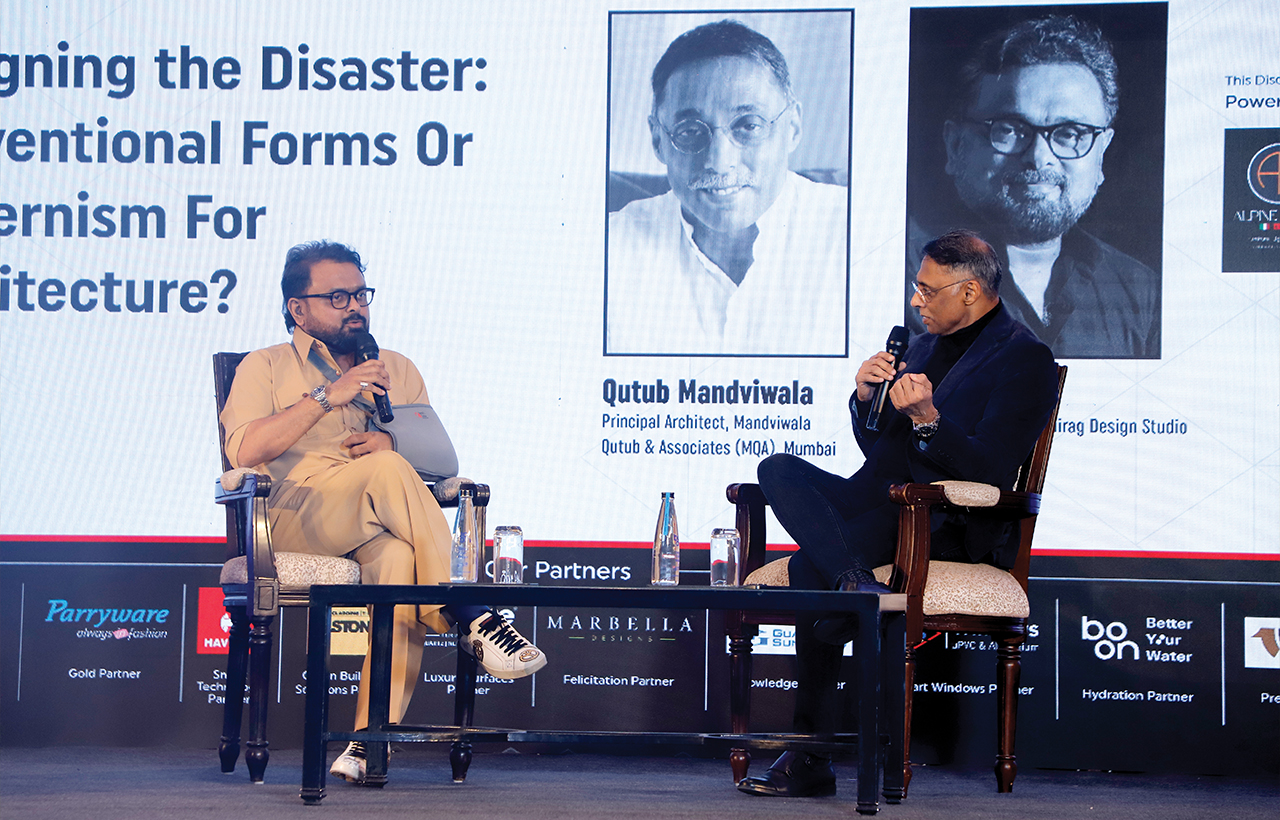 A Captivating Exchange of Ideas: Chirag Swain, Principal Architect, Chirag Design Studio, Bhubaneswar and Qutub Mandviwala, Principal Architect Mandviwala Qutub & Associates, Mumbai Explore the Intersection of Modernism and Tradition in Architecture. (Excerpts: Syed Md Ehteshamul Hasan)
In the realm of architecture, the debate between modernism and conventional forms of design has become increasingly relevant, especially in the context of disaster resilience. As urbanisation accelerates and the impacts of climate change become more pronounced, architects are faced with the challenge of creating structures that are not only aesthetically pleasing but also sustainable, resilient, and culturally relevant. The question arises: Should we rely on cutting-edge technology and modern materials to design for disaster, or should we turn to traditional, timetested architectural practices that have proven their worth over centuries?
This question formed the crux of a thought-provoking discussion between two prominent architects, Ar. Chirag Swain and Ar. Qutub Mandviwala. The conversation delved into the merits and drawbacks of both approaches, exploring how architecture can strike a balance between modernity and tradition, especially in a country as diverse and culturally rich as India. The architects emphasized the importance of context, sustainability, and cultural sensitivity in design, while also addressing the challenges posed by rapid urbanization and the over-reliance on high-tech solutions.
The Blend of Tradition and Modernity: Ar. Qutub Mandviwala opened the discussion by reflecting on the evolution of architectural practices in India. He noted that while modernism has introduced new materials and technologies, Indian architecture remains deeply rooted in tradition. "We are people who are very rooted. We are rooted to our tradition," he said. This connection to tradition, he argued, is essential in creating designs that are not only functional but also culturally resonant.
Mandviwala emphasized that architecture is a blend of the conventional and the modern. He pointed out that while traditional designs are often contextually appropriate, modern materials and techniques can enhance sustainability and resilience. For instance, he discussed how traditional planning can be combined with modern materials to create homes that are both aesthetically pleasing and climatically sustainable. "We try to use materials which are more sustainable and contextual to the place where it is," he explained. This approach, he argued, ensures that the design is not only functional but also harmonious with its surroundings.
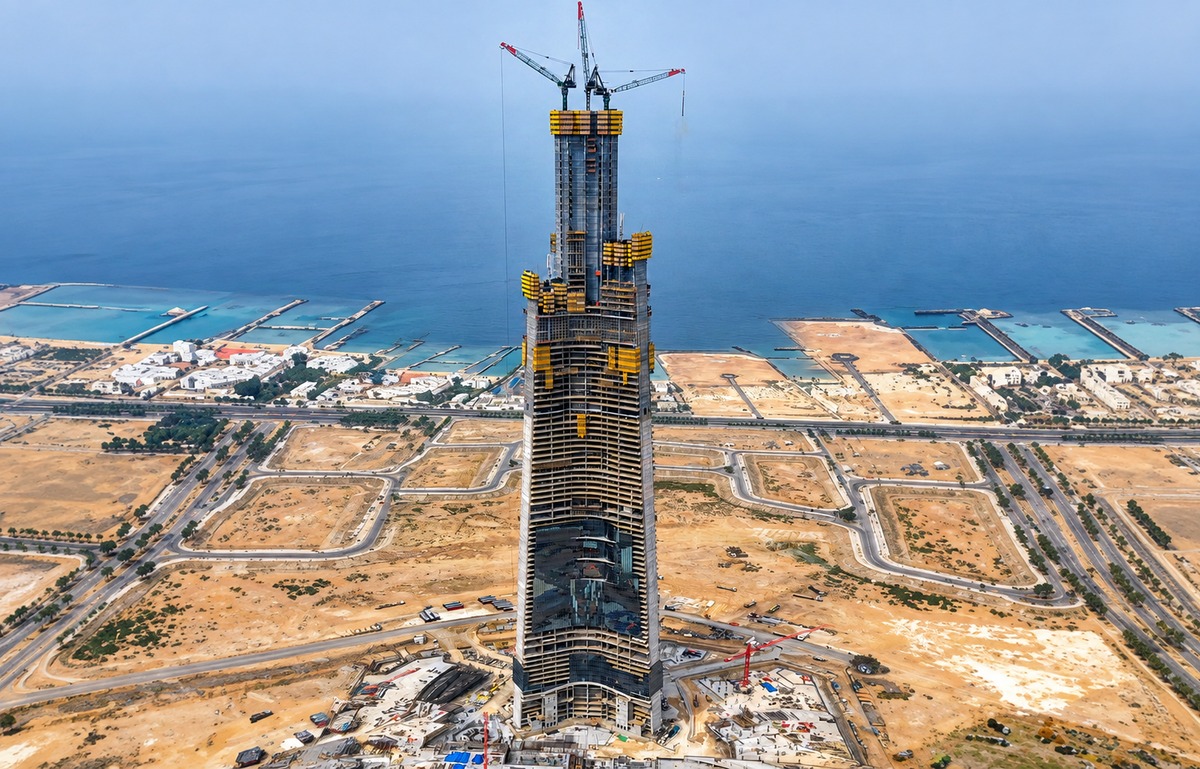
The Challenge of High-Rise Buildings: The conversation then shifted to the challenges of designing high-rise buildings, which are becoming increasingly common in urban areas. Mandviwala acknowledged that while traditional designs work well for individual homes and low-rise structures, high-rise buildings present a different set of challenges. He pointed out that modern complexes, such as malls and office buildings, often prioritize aesthetics and functionality over cultural relevance. However, he also highlighted examples where modern and traditional elements have been successfully blended, such as the City Centre Mall in Calcutta, which combines modern amenities with traditional walkways and spaces for local vendors.
Ar. Chirag Swain echoed Mandviwala's sentiments, emphasising the importance of context in design. He noted that while foreign architects often excel in façade design and landscaping, they sometimes miss the mark when it comes to understanding the cultural and climatic needs of Indian homes. "They didn't feel the need to give balconies," he said, referring to a project in Calcutta where foreign architects omitted balconies, a feature that is essential in Indian homes for drying clothes and enjoying the outdoors. This oversight, he argued, highlights the importance of understanding local needs and traditions in architectural design.
The Overuse of Glass Facades: One of the key points of discussion was the overuse of glass facades in modern buildings, particularly in office complexes. Swain expressed concern that the widespread adoption of glass curtain walls is driven more by convenience and aesthetics than by functionality or sustainability. "Glass was supposed to bring in light, bring in openness," he said. However, in many modern buildings, glass facades are used primarily for their sleek appearance, often at the expense of energy efficiency and natural ventilation. Mandviwala agreed, noting that the overreliance on glass facades has led to buildings that are heavily dependent on artificial lighting and air conditioning. He suggested that a more balanced approach, where glass is used strategically to maximise natural light while minimising heat gain, could lead to more sustainable designs. "If you can plan your buildings where the north side, the east side is more open, and you can use glass facades in those areas, while the other facades can have your staircases, your courts, and your toilets," he explained. This approach, he argued, would not only reduce energy consumption but also create more comfortable and functional spaces.
Preserving Cultural Identity in Architecture The discussion also touched on the importance of preserving cultural identity in architecture. Swain lamented the lack of a distinct architectural style in many Indian cities, where modern high-rises often mimic Western designs rather than drawing from India's rich architectural heritage. "Why have we not been able to put that across our cityscapes?" he asked. He pointed out that while countries like Germany, Italy, and even Indonesia have successfully preserved their traditional architectural styles, India has largely failed to do so.
Mandviwala agreed, noting that the preservation of traditional architecture is often limited to temples and historical monuments, while the rest of the urban landscape is dominated by generic, Western-style buildings. He argued that this lack of cultural continuity is a missed opportunity, as traditional designs often offer solutions that are both sustainable and contextually appropriate. "We need to blend our traditional conventional thinking and blend it with modernism," he said. This approach, he argued, would not only preserve India's architectural heritage but also create designs that are more resilient and sustainable.
Designing for Disaster A Balanced Approach: In conclusion, both architects emphasised the importance of a balanced approach to designing for disaster. While modern technology and materials offer significant advantages, they should not come at the expense of cultural relevance and sustainability. "If we are able to blend the conventional thinking, our tradition, into modernism, then we are not designing the disaster," Mandviwala said. However, he warned that if architects continue to ape Western designs without considering local needs and traditions, they risk creating buildings that are not only unsustainable but also culturally disconnected.
Swain echoed this sentiment, arguing that the future of architecture lies in finding a balance between tradition and modernity. "Designing with conventional is also very difficult," he said, noting that it requires a deep understanding of local climate, culture, and context. However, he argued that this effort is essential in creating buildings that are not only functional and resilient but also culturally meaningful.
The discussion between Ar. Chirag Swain and Ar. Qutub Mandviwala highlighted the complexities and challenges of designing for disaster in a rapidly urbanising world. While high-tech solutions offer significant advantages, they must be balanced with traditional practices that have stood the test of time. By blending the best of both worlds, architects can create designs that are not only resilient and sustainable but also deeply rooted in the cultural and environmental context of their surroundings. As the architects concluded, the future of architecture lies in this delicate balance, where tradition and modernity coexist to create spaces that are both functional and meaningful BMR.