
10 Sustainable and Green Building Materials in India: Types, Benefits & 2026 Guide
- April 14, 2026
- By: Editorial Team
- PRODUCTS AND MATERIALS
Why Do Sustainable Building Materials Matter in 2026?
Walk through any construction site in India today and you will notice a decisive shift in priorities. Contractors are no longer just asking for cost-effective materials—they are actively evaluating sustainable building materials and exploring green building materials in India that can reduce long-term environmental impact while improving performance.
From metro cities to tier-2 towns, architects are specifying fly ash bricks instead of clay, developers are comparing AAC blocks with conventional masonry, and even homeowners are asking about bamboo, solar roofs, and low-carbon cement. This growing awareness is not accidental—it is a response to climate realities and regulatory evolution.
Globally, buildings contribute nearly 40% of total energy consumption and a significant portion of carbon emissions. What is often overlooked, however, is that a large share of these emissions comes from the materials used during construction—referred to as embodied carbon. Choosing the right sustainable construction materials is therefore one of the most direct and impactful decisions in reducing this footprint.
In India, the momentum is further strengthened by increasing adoption of green building rating India systems such as IGBC and GRIHA, which reward the use of eco-friendly building materials and encourage sustainable home construction practices.
This article covers the 10 most important sustainable and green building materials you should know in 2026 — what they are, how they perform, and why they matter. If you are trying to decide which materials to actually specify or buy, Part 2 covers the selection process, certifications and costs in detail.
Sustainable vs Green Building Materials: Key Differences
While often used interchangeably, sustainable building materials India and green building materials India address slightly different aspects of construction.
Sustainable Building Materials
A sustainable building material is one that has been produced, transported, used and disposed of in ways that minimise long-term environmental harm. The emphasis is on the full lifecycle — not just how the material performs while the building is standing, but how it was made and what happens to it at the end.
Five characteristics that define a truly sustainable material:
- Resource efficiency — it uses raw materials sparingly
- Low environmental impact — production generates minimal emissions or waste
- Durability — it lasts, reducing replacement cycles
- Reusability or recyclability — it can re-enter the supply chain
- Healthy indoor performance — it does not off-gas toxins
Green Building Materials
Green building materials, on the other hand, focus more on operational efficiency—reducing energy consumption, improving indoor air quality, and enhancing occupant comfort.
The Practical Difference:
| Factor | Green Construction | Sustainable Construction |
| Focus | Energy efficiency & indoor environment | Whole lifecycle impact |
| Scope | Operational performance | Environmental, social & economic factors |
| Goal | Reduce energy use & pollution | Long-term resource efficiency |
In reality, the most effective projects combine both approaches. A building that uses energy efficient building materials and integrates lifecycle thinking is better aligned with modern sustainability goals. That combination is what modern rating systems like IGBC and LEED reward.
Key Benefits of Eco-Friendly Building Materials
The shift towards eco-friendly construction materials in India is not just environmentally responsible—it also delivers tangible benefits:
- Energy efficiency: Use of thermal insulation building materials reduces HVAC loads
- Lower lifecycle costs: Durable materials reduce maintenance and replacement
- Healthier interiors: Improved air quality through low-emission materials
- Regulatory compliance: Alignment with evolving green norms
- Higher asset value: Sustainable buildings command better market positioning
Additionally, practices like construction waste recycling in India are transforming how projects manage demolition and material reuse, pushing the industry closer to a circular economy.
10 Best Sustainable Building Materials in India (2026)
1. Green Cement & Low-Carbon Cement
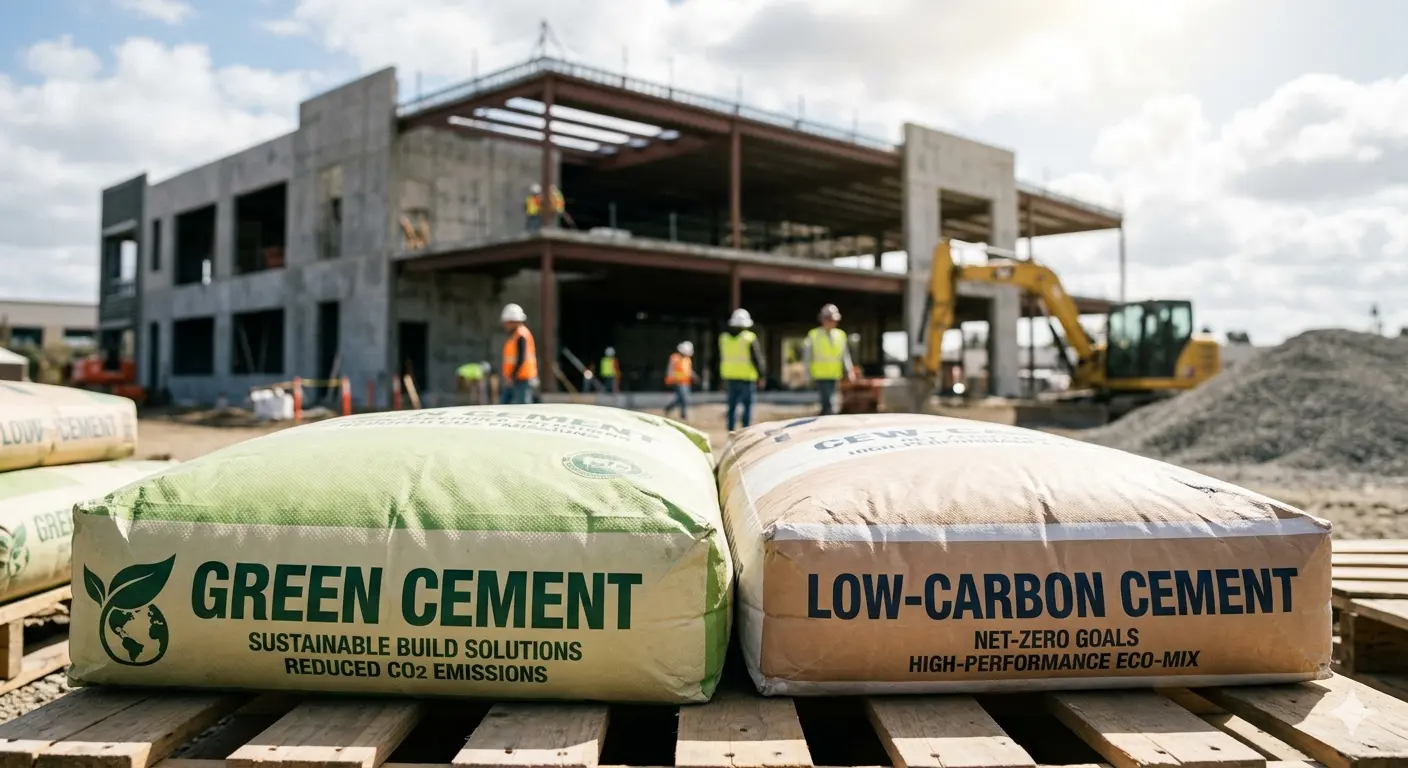
Cement remains one of the largest contributors to construction-related emissions. Today, several low carbon cement manufacturers in India are producing alternatives by blending clinker with fly ash, slag, or calcined clay. These solutions reduce emissions by 20–60% while maintaining structural performance. This shift marks a significant step toward adopting sustainable construction materials at scale, particularly in infrastructure and commercial projects.
2. Fly Ash Bricks
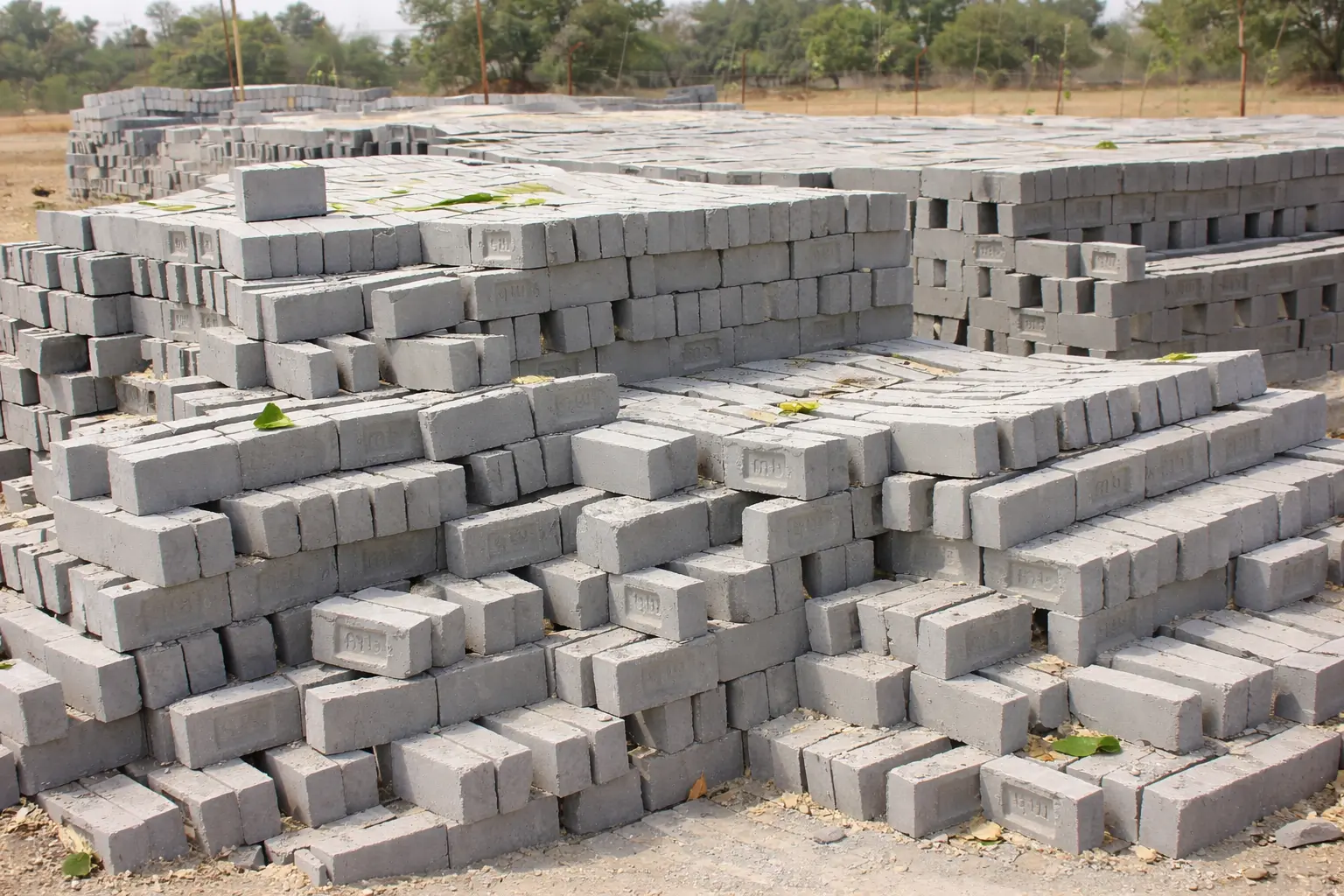
The discussion around fly ash bricks vs clay bricks has become central to sustainable construction. Fly ash bricks are manufactured using industrial by-products, making them an excellent example of eco-friendly building materials.
Compared to clay bricks, they offer:
- Higher compressive strength
- Lower water absorption
- Uniform size and finish
They also support recycling of construction waste in India by repurposing thermal power plant waste, making them one of the most accessible green construction materials 2026.
3. AAC Blocks
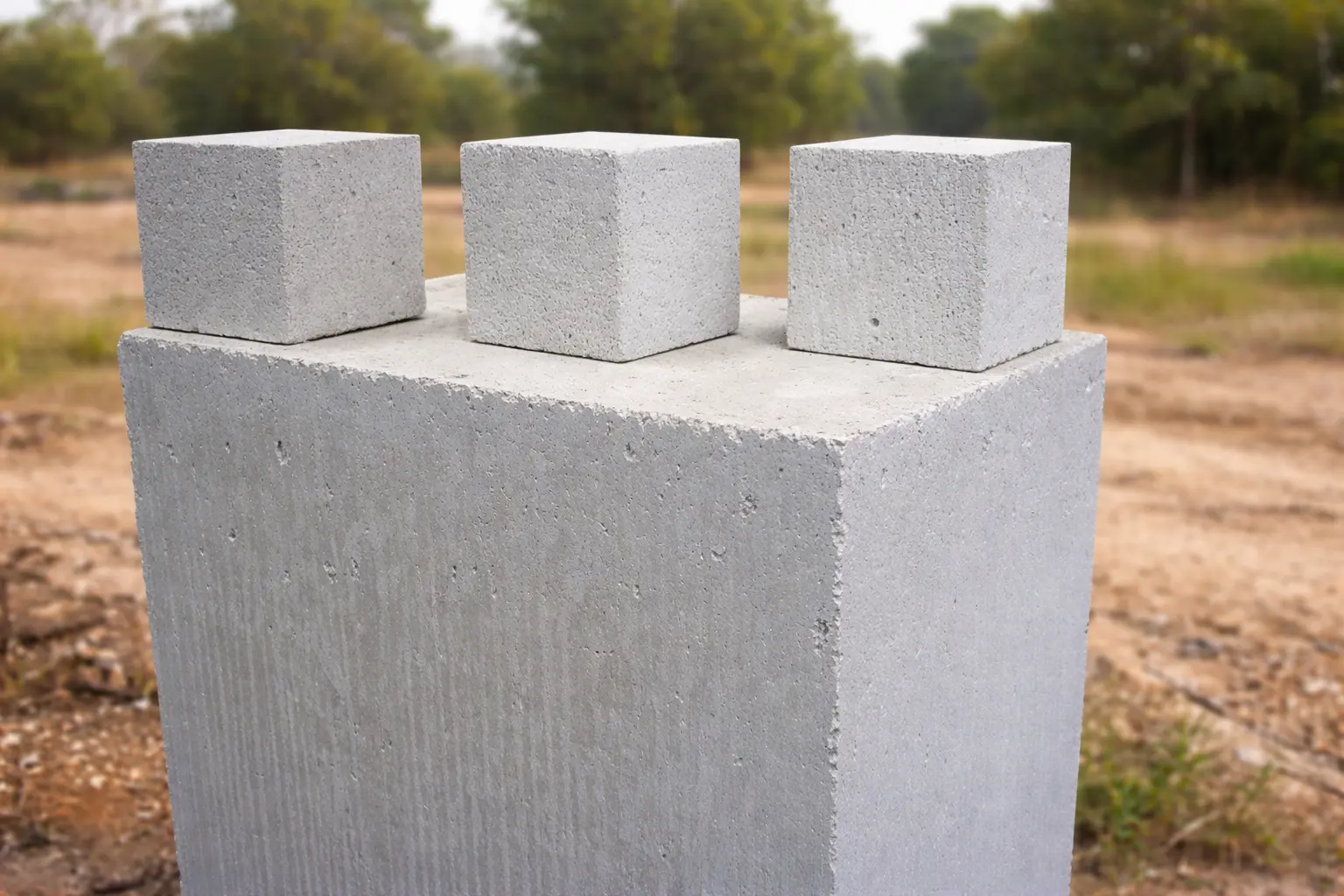
AAC blocks are widely recognised for their superior thermal insulation properties. These lightweight blocks contain air pockets that significantly reduce heat transfer, making them one of the most effective thermal insulation building materials.
They contribute to:
- Lower cooling costs
- Faster construction
- Reduced structural load
This makes them a preferred choice for both residential and commercial sustainable home construction.
4. Recycled Concrete Aggregates
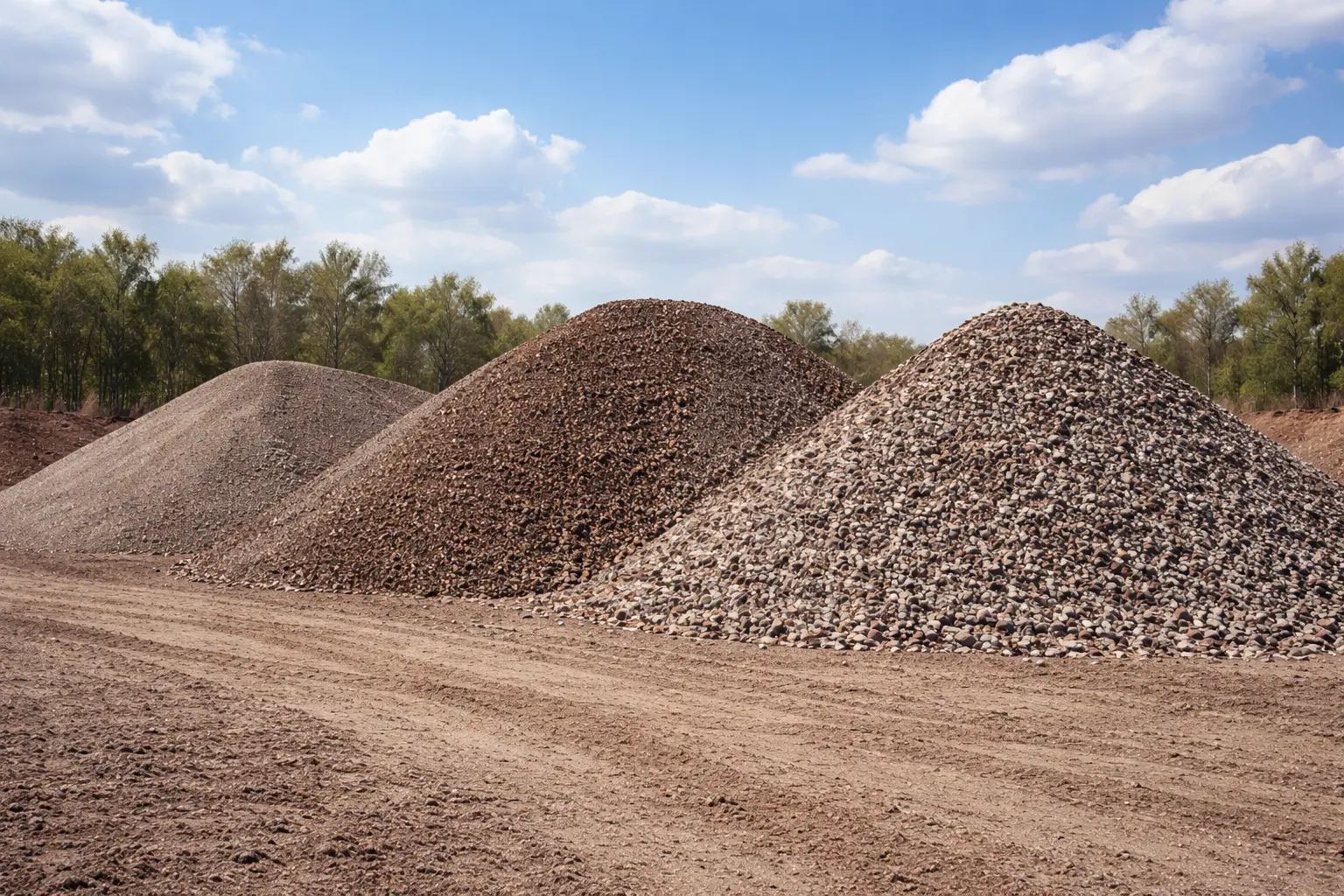
With increasing focus on construction waste recycling in India, recycled aggregates are gaining popularity. By crushing and reprocessing demolition waste, these materials reduce dependency on natural resources and minimise landfill usage.
Their application in pavements, non-structural elements, and even certain structural uses highlights their growing relevance among sustainable building materials in India.
5. Green Steel / Recycled Steel
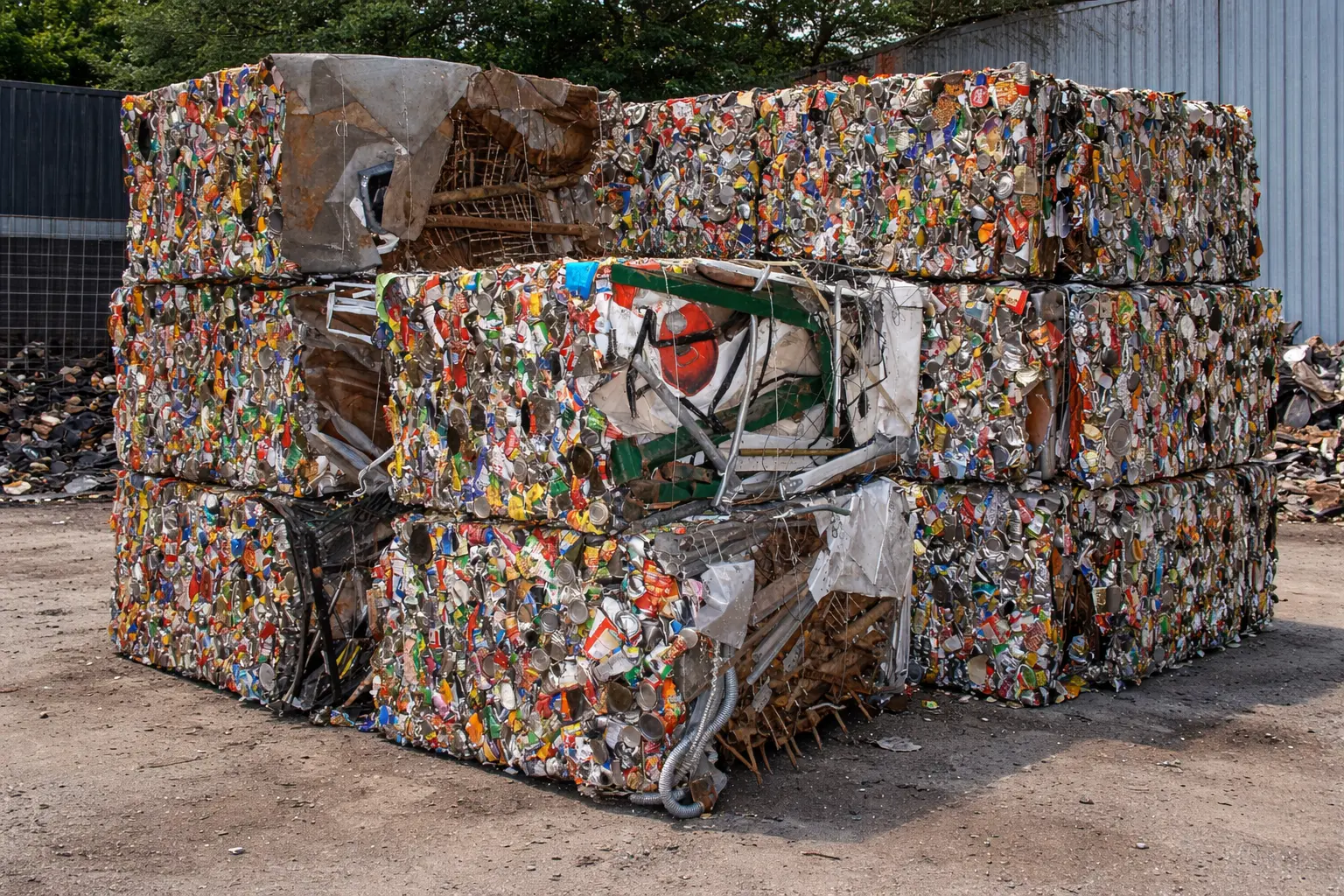
Steel produced using scrap and electric arc furnaces significantly lowers embodied carbon. As one of the most reliable energy-efficient building materials, recycled steel offers identical strength and durability compared to conventional steel. Its recyclability further strengthens its position within sustainable construction materials.
6. Cross-Laminated Timber (CLT) & Engineered Wood
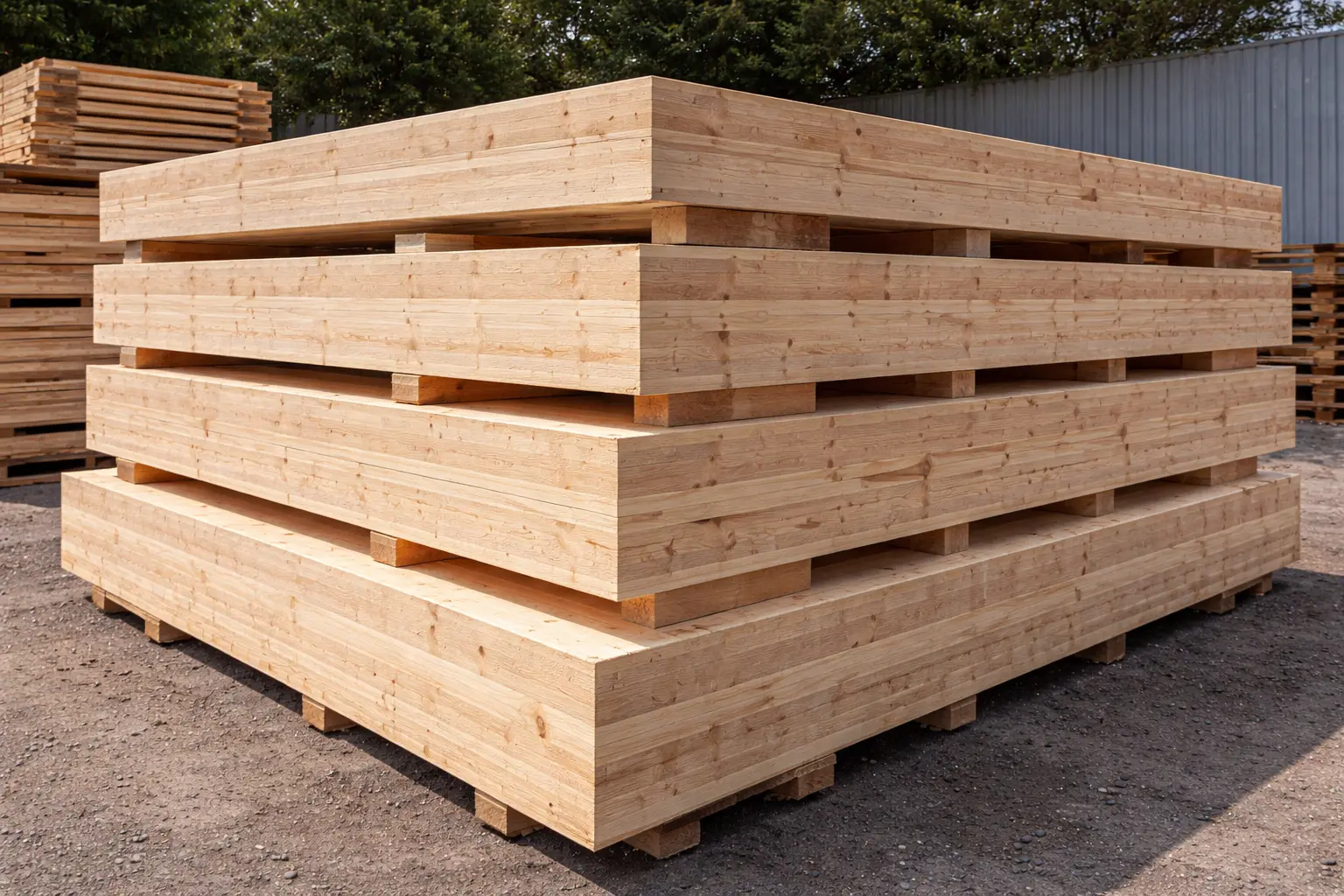
Cross-laminated timber and engineered wood are emerging as advanced eco-friendly building materials in India. These materials not only reduce carbon emissions but also store carbon throughout their lifecycle. Though still developing in India, they represent a promising direction for green building materials India.
7. Bamboo as a Structural Building Material
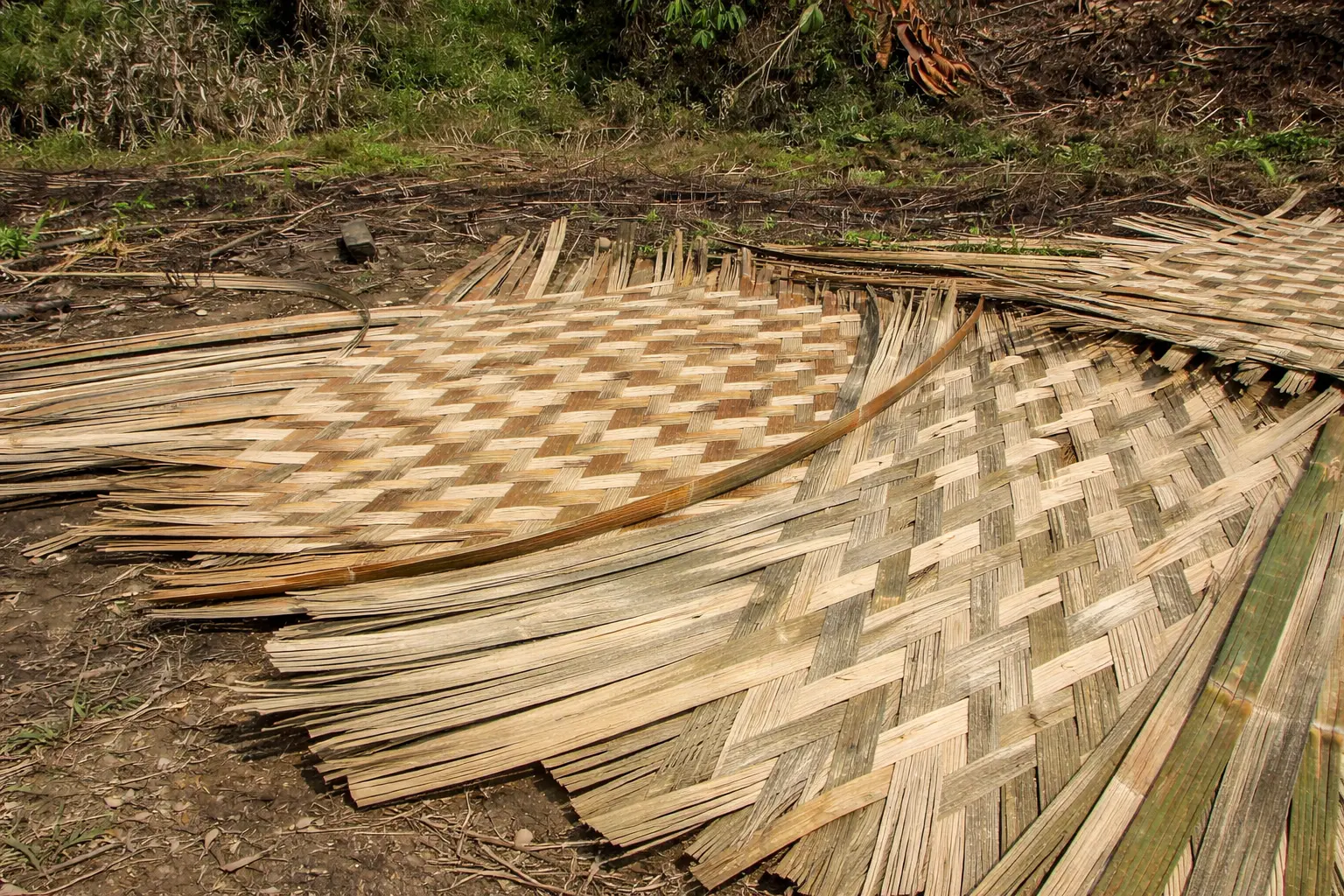
Properly treated and engineered into laminated panels or structural members, it is a genuinely viable building material, not just a decorative one. The use of bamboo as a structural building material is gaining momentum slowly but steadily, especially in regions where it is locally available.
Bamboo offers:
- High tensile strength
- Rapid renewability
- Low embodied energy
With proper treatment and engineering, it is becoming a viable alternative in sustainable building materials in India.
8. Cellulose Insulation
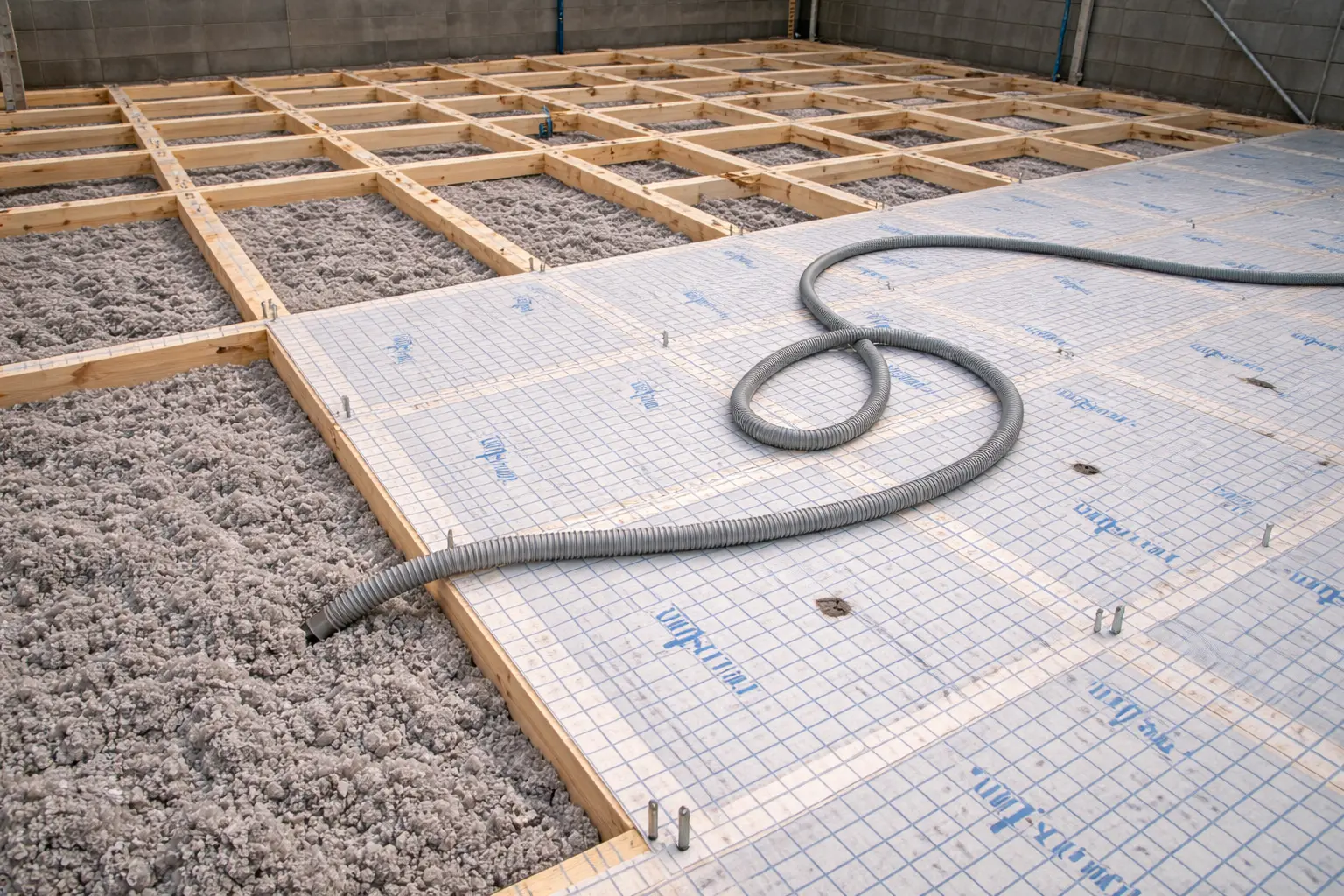
Derived from recycled paper, cellulose insulation is among the most circular eco-friendly construction materials in India. Made from over 80% recycled newspaper and paper waste, treated with non-toxic borate fire retardants, cellulose insulation is one of the most circular insulation products available. It offers excellent thermal and acoustic performance, making it ideal for enhancing indoor comfort. It is particularly well-suited to retrofit projects where existing wall cavities need insulating without major demolition.
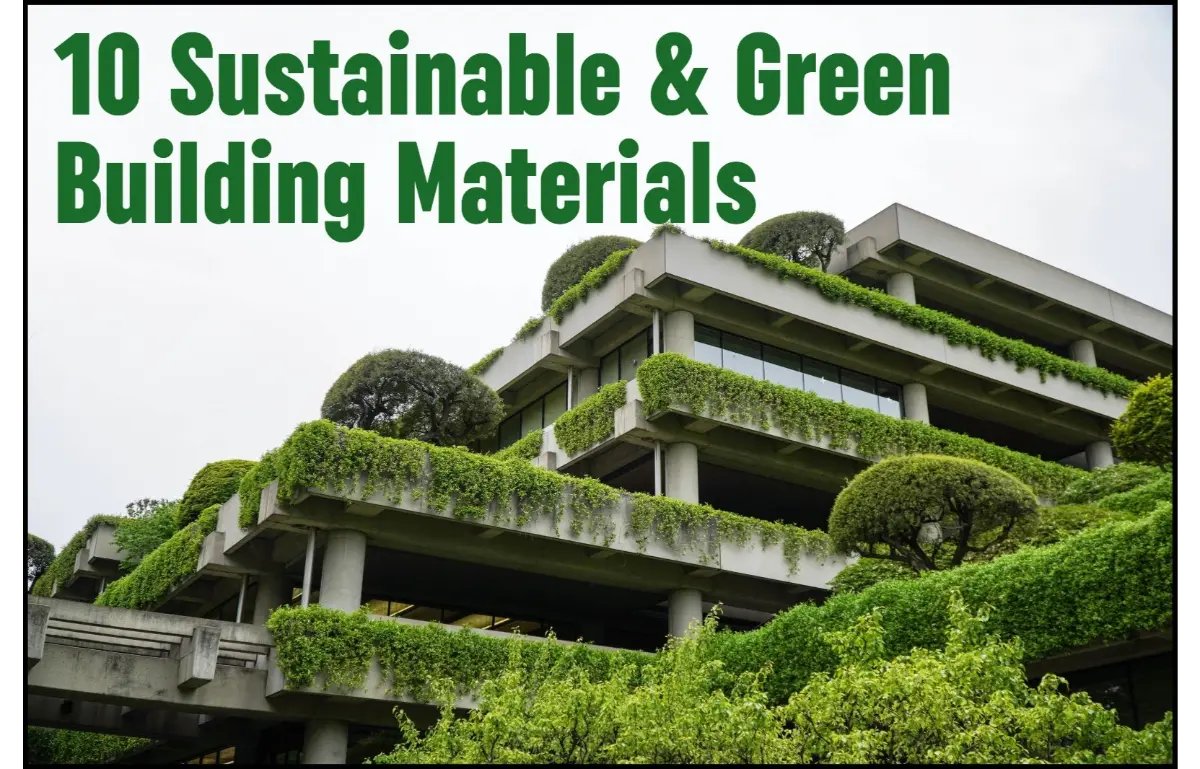
9. Green Roofing Systems
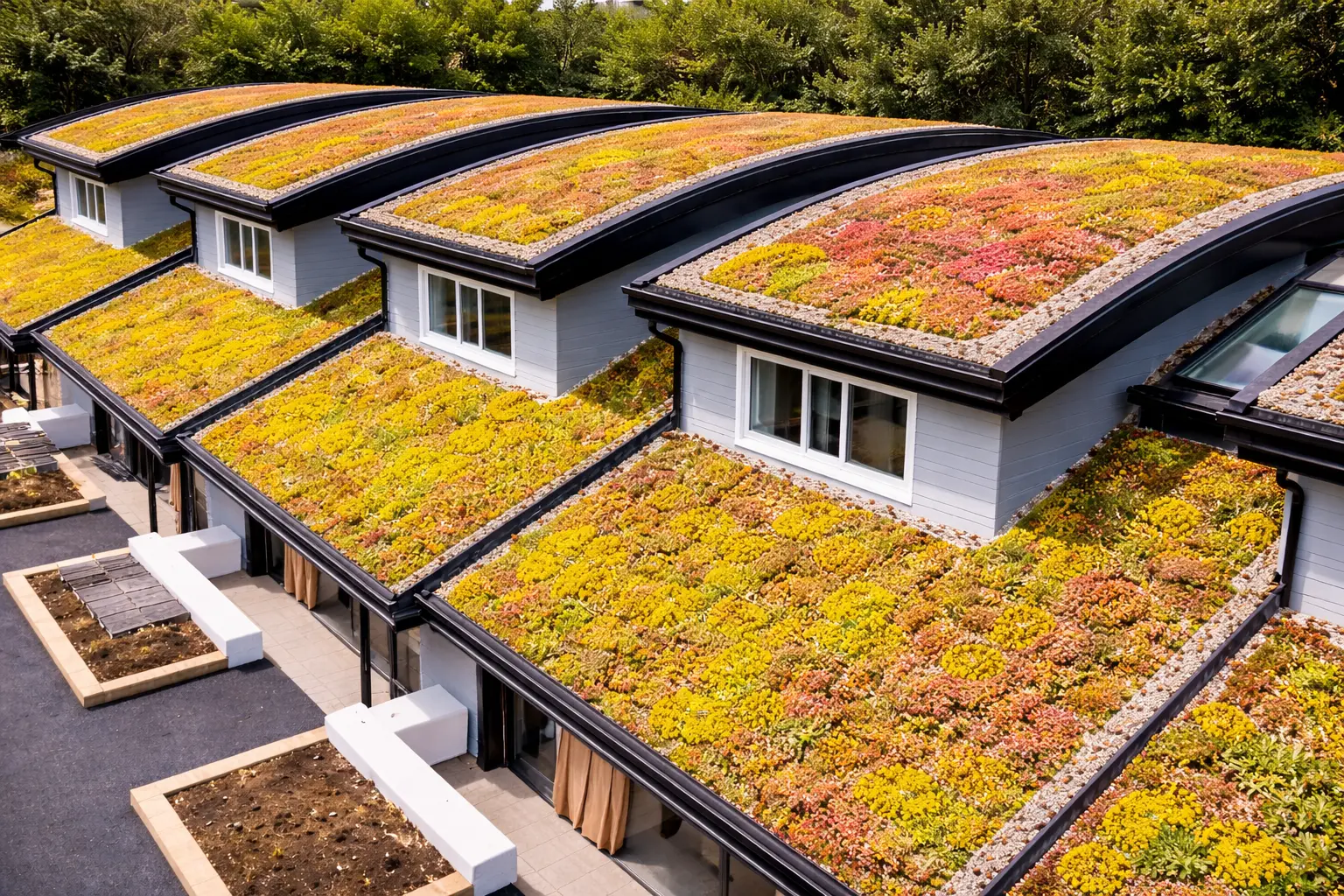
A green roofing is not just a visual statement — it is a working system. Vegetation layers sit over waterproofing membranes, drainage boards, growing substrate and root barriers. Green roofing systems in India are increasingly being adopted in urban developments because these system:
- Reduce heat gain
- Improve air quality
- Manage stormwater
- Enhance building lifespan
They also contribute significantly to energy-efficient building materials strategies in dense cities. The upfront cost is higher than conventional roofing, but the combined benefits — energy savings, reduced HVAC load, longer roof lifespan — often justify the investment for commercial and institutional projects.
10. Solar Roof Tiles
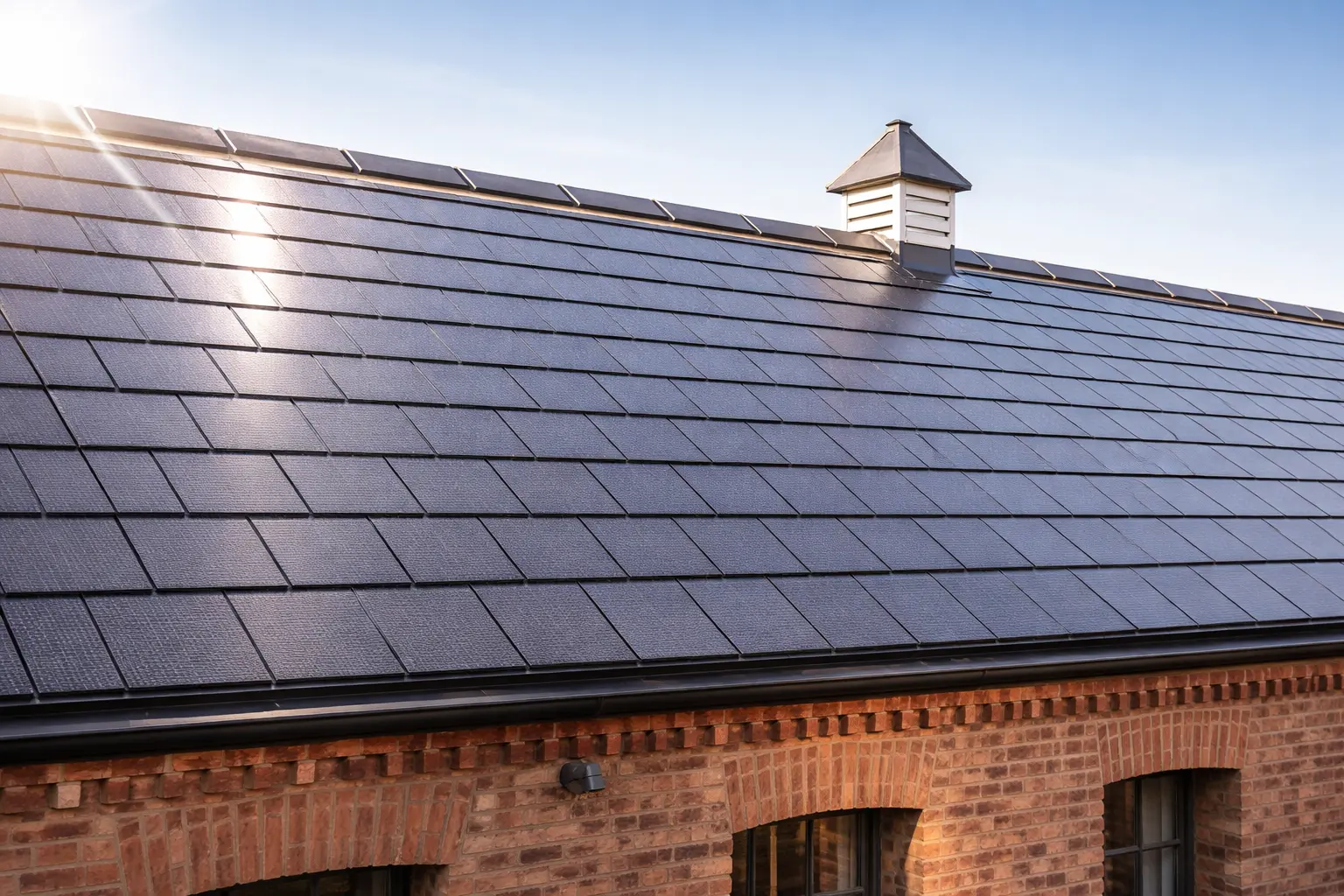
Innovations like solar roof tiles combine energy generation with roofing functionality. Meanwhile, emerging solutions such as carbon negative building material (e.g., Ferrock) are redefining sustainability by absorbing CO₂ during curing. They are more expensive than conventional roofing, but government incentives and falling PV costs are improving the economics. For premium residential and commercial projects that want a clean aesthetic alongside renewable energy, they represent the current leading edge of integrated building technology. These innovations represent the next phase of green construction materials in 2026.
Quick Comparison Table - Sustainable Building Materials
Use this as a fast reference when shortlisting materials for a project.
| Material | Carbon Impact | Typical Use | Cost vs Conventional | Key Benefit |
| Low-carbon cement | Medium–Low | Structural concrete | Similar–Slightly higher | 20–60% less embodied CO₂ |
| Fly ash bricks | Very Low | Wall construction | Lower–Similar | Uses industrial waste |
| AAC blocks | Very Low | Walls & partitions | Slightly higher | Thermal efficiency |
| Recycled concrete | Very Low | Pavements & mixes | Similar–Lower | Cuts demolition waste |
| Green/Recycled steel | Very Low | Frames & reinforcement | Variable | Same strength, lower footprint |
| Engineered timber / CLT | Very Low | Walls, floors, roofs | Higher (panels) | Carbon sequestration |
| Bamboo | Very Low | Framing, finishes | Lower (local) | Rapid renewable resource |
| Cellulose insulation | Very Low | Walls & roof cavities | Lower | 80%+ recycled content |
| Green roofs | Very Low | Commercial & housing | Higher upfront | Stormwater + cooling |
| Solar roof tiles | Very Low | Residential & commercial | Higher | Generates renewable power |
FAQs:
What are the best sustainable building materials that India offers in 2026?
The best sustainable building materials in India for 2026 include AAC blocks, fly ash bricks, bamboo, recycled steel, and low-carbon cement. These materials balance performance, cost, and environmental responsibility.
Why are AAC blocks preferred in modern construction?
The key advantage lies in AAC blocks thermal insulation properties, which improve energy efficiency and reduce cooling loads.
What is a carbon-negative building material?
A carbon-negative building material absorbs more carbon dioxide than it emits during production, helping reduce overall emissions.
Are sustainable materials expensive?
While initial costs may vary, eco-friendly construction materials in India reduce long-term operational costs and improve asset value.