
India, is on the Verge of Big Interior Shift, Explains Tushar Verma, VP, Rehau India
- January 16, 2026
- By: Editorial Team
- SUCCESS STORIES



If 2025 had to be summed up in one clear movement within the interior space, it would be this: people stopped choosing with their eyes alone. Across homes, offices, and commercial spaces, decisions moved away from surface-level beauty towards something deeper, materials that last alongside systems that perform quietly, and finishes that continue to look good long after the novelty wears off.
For years, interiors were driven by trends. High-gloss kitchens, bold colours, dramatic textures, all designed to impress instantly. But as homes became lived-in more intensely, especially post-pandemic, homeowners started thinking about longevity, relevance and others which reshaped the industry in a very real way.
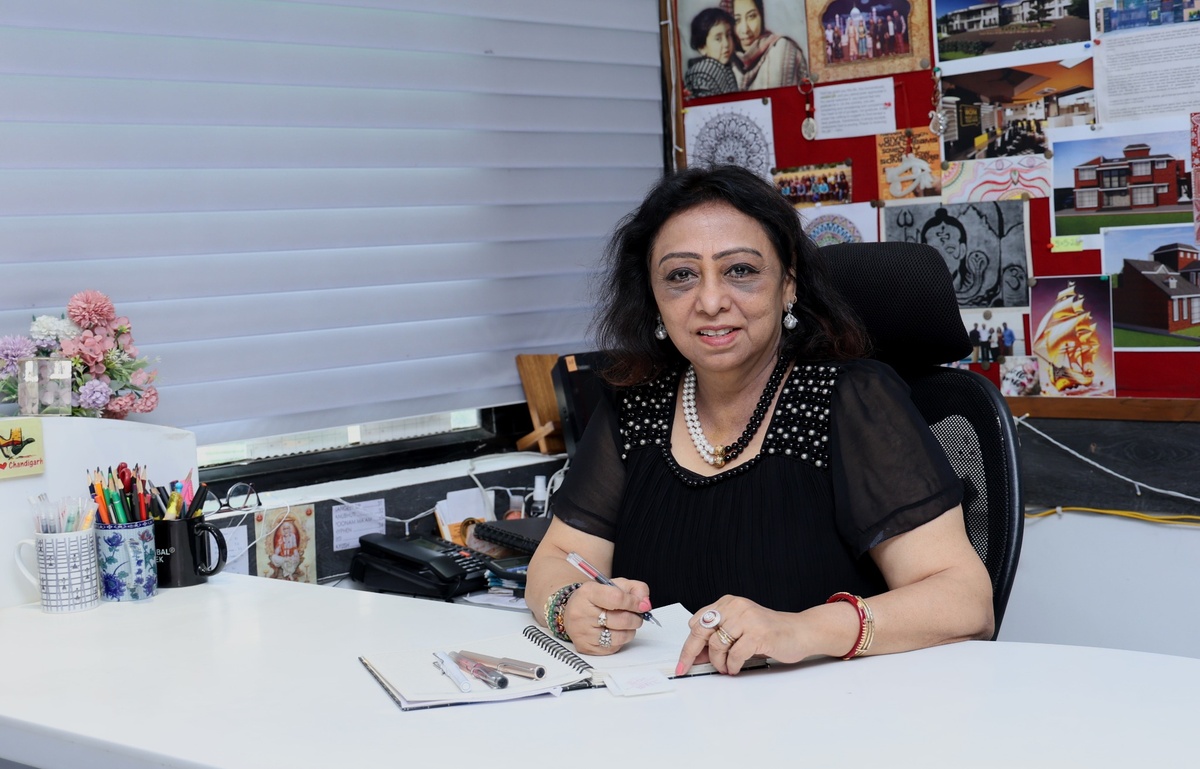
Tushar verma, Vice President of REHAU India and Subcon has shed light on some of the most prominent interior shifts of 2025.
Focus on Materials
One of the clearest signs of this shift has been the growing focus on materials. More than decorative layers, surfaces are expected to perform under pressure, resist daily wear, handle moisture and heat, and remain easy to maintain. Kitchens and wardrobes, in particular, became testing grounds for this new mindset. Instead of chasing dramatic finishes, people leaned towards calm palettes, tactile matt textures, and engineered solutions that feel reassuring rather than flashy.
This change also reflects a deeper respect for precision-led manufacturing. Consumers have grown more aware of how furniture is made, not only how it looks. Clean edges, seamless joints, and consistent finishes now signal quality in a way that ornate detailing once did. Behind the scenes, this has brought greater attention to engineering-driven components, from advanced surface technologies to edge solutions that protect furniture from swelling, chipping, and long-term damage.
Quiet Functionality
Another defining shift of 2025 has been the rise of quiet functionality. Storage systems are expected to work smoothly, surfaces to stay clean with minimal effort, and materials to behave predictably across seasons. Homes today are multifunctional spaces, doubling as work zones, relaxation areas, and family hubs. That reality demands interiors that support routine without demanding constant care. Quality-first choices make daily living easier, even if they do not shout for attention.
Sustainability
Sustainability, too, matured in 2025. It moved beyond marketing language into tangible expectations. Buyers became more aware of what goes into the materials they bring home, from emissions and recyclability to chemical safety. Lead-free components, low-emission surfaces, and materials with longer lifecycles gained importance. The idea of buying less often, but better, resonated strongly. Quality became closely tied to responsibility.
Change in Colour Tones
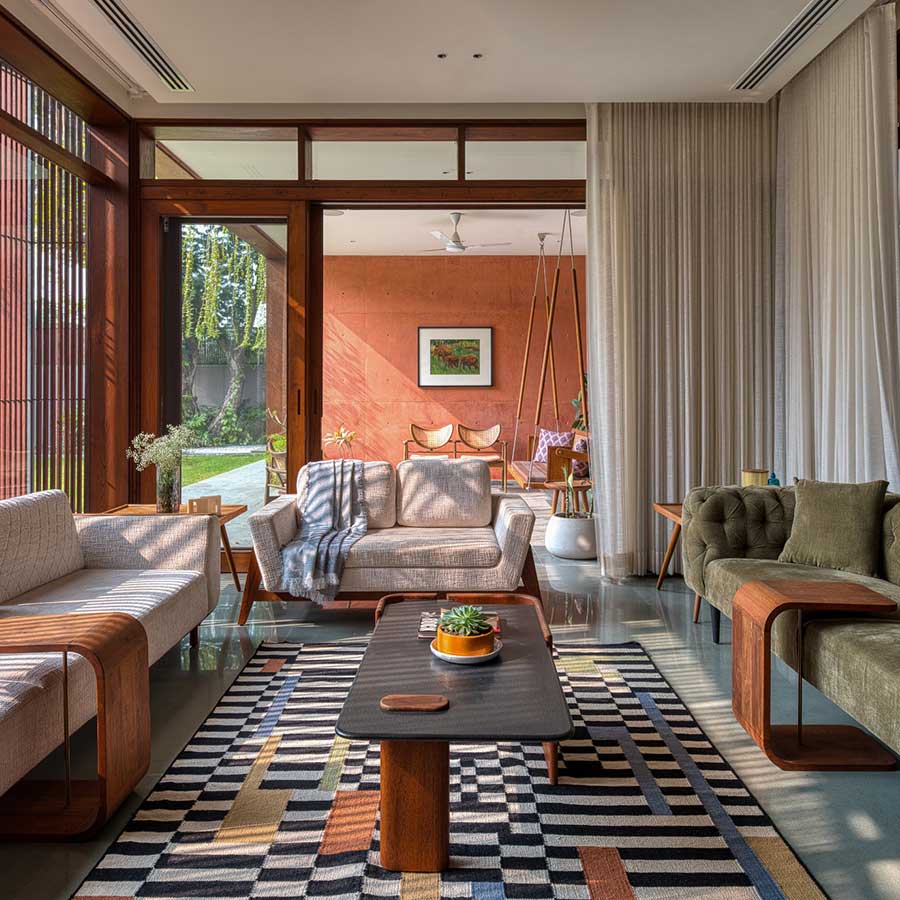
Design language has grown alongside. Soft neutrals, muted greens, warm greys, and controlled use of gloss replaced high-contrast, trend-heavy palettes. Texture played a bigger role than colour alone. Subtle grains, stone-inspired finishes, and velvety matt surfaces created depth without visual noise. These choices offered longevity, allowing spaces to adapt over time without frequent redesigns.
Stronger Collaborations
Another important development has been stronger collaboration across the interiors ecosystem. Designers, architects, fabricators, and material specialists worked more closely to ensure design intent translated accurately on site. This reduced the gap between concept and execution, improving consistency in finished furniture. Precision manufacturing and locally available engineered solutions made this collaboration more effective.
The big interior shift of 2025 was more about redefining beauty. Afterall, it lies in how a surface feels after years of use, how a kitchen functions during a busy morning, and how furniture holds its form through changing seasons. It is found in details that stay intact and materials that quietly do their job. As the industry moves forward, this quality-first mindset is likely to deepen. Homes will continue to be designed with intent, prioritising comfort, safety, and reliability. The future of interiors belongs to solutions that blend thoughtful design with engineering discipline, where performance supports aesthetics rather than competing with it.
2025 marked the year when interiors stopped trying to impress at first glance and started focusing on lasting trust. And that shift has changed the way spaces are built, lived in, and valued.