
Waterproofing: Why It Is More Than Stopping Leakage
- November 4, 2026
- By: Building Material Reporter
- PRODUCTS AND MATERIALS
Introduction: One Brown Stain, and the Warning of a Bigger Problem
Imagine you have built a beautiful space and spent lakhs, even crores, on it.
Premium flooring, expensive interiors, designer lighting, a stunning façade. In short, everything is perfect.
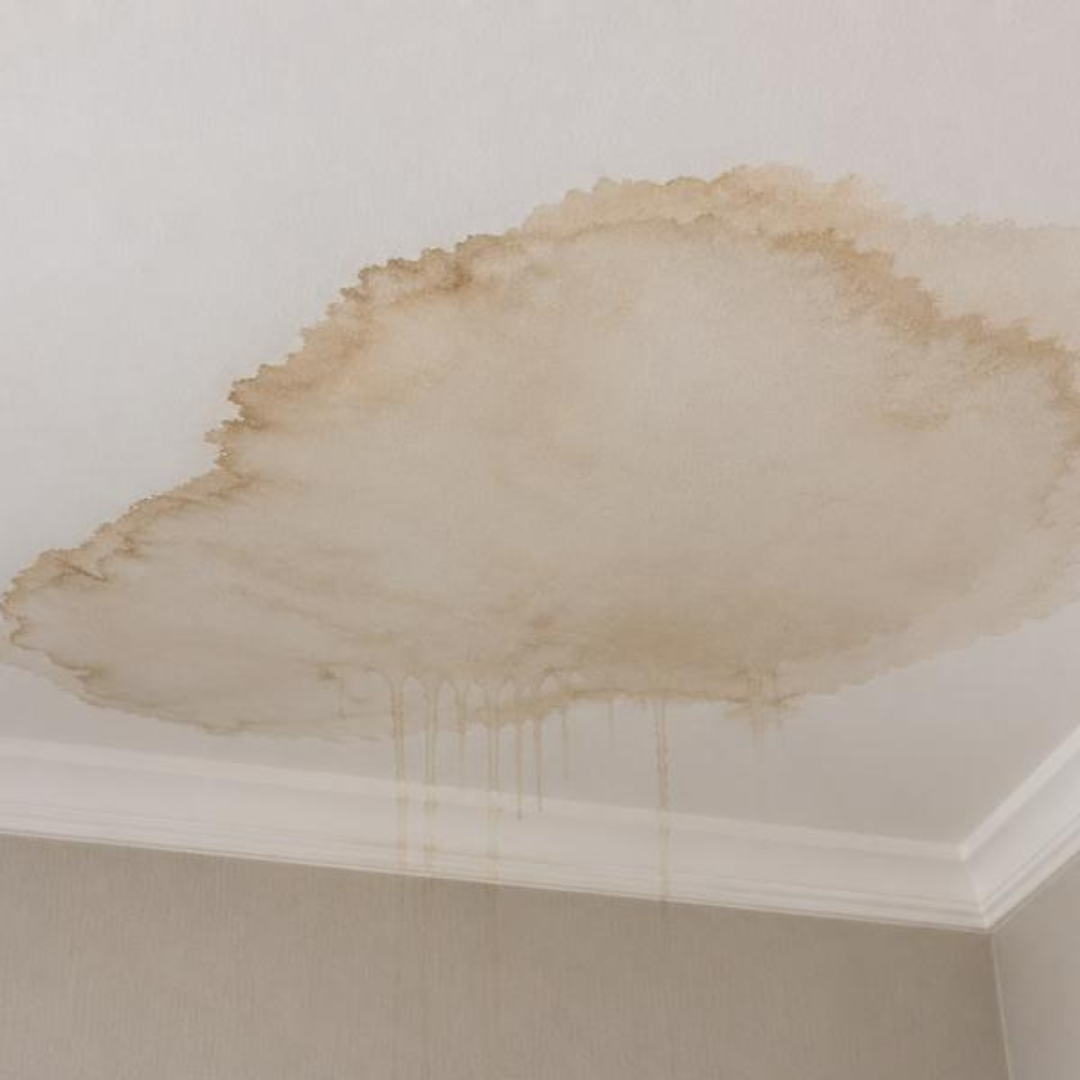
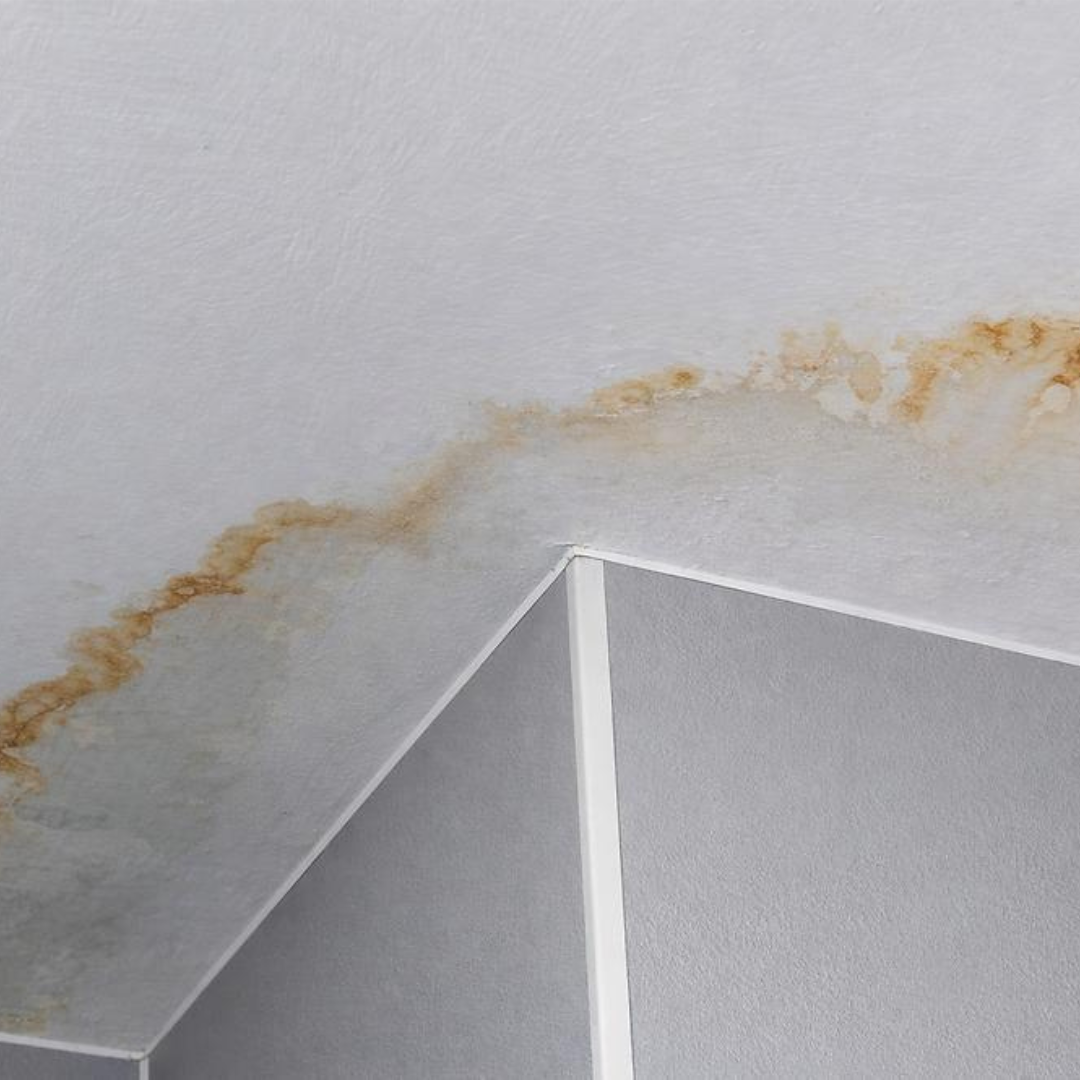
And then, after two or three monsoons you see - a brown stain appears on the ceiling. A damp patch shows up on the wall. The paint begins to bubble. And seepage starts to become visible here and there in the corners.
At first glance, you think, "It's just a leakage, we'll get it fixed."
But what if this is not just a cosmetic problem? What if it is a warning sign of something bigger going on inside the walls? Because by the time water damage becomes clearly visible, moisture may have entered the building long before.
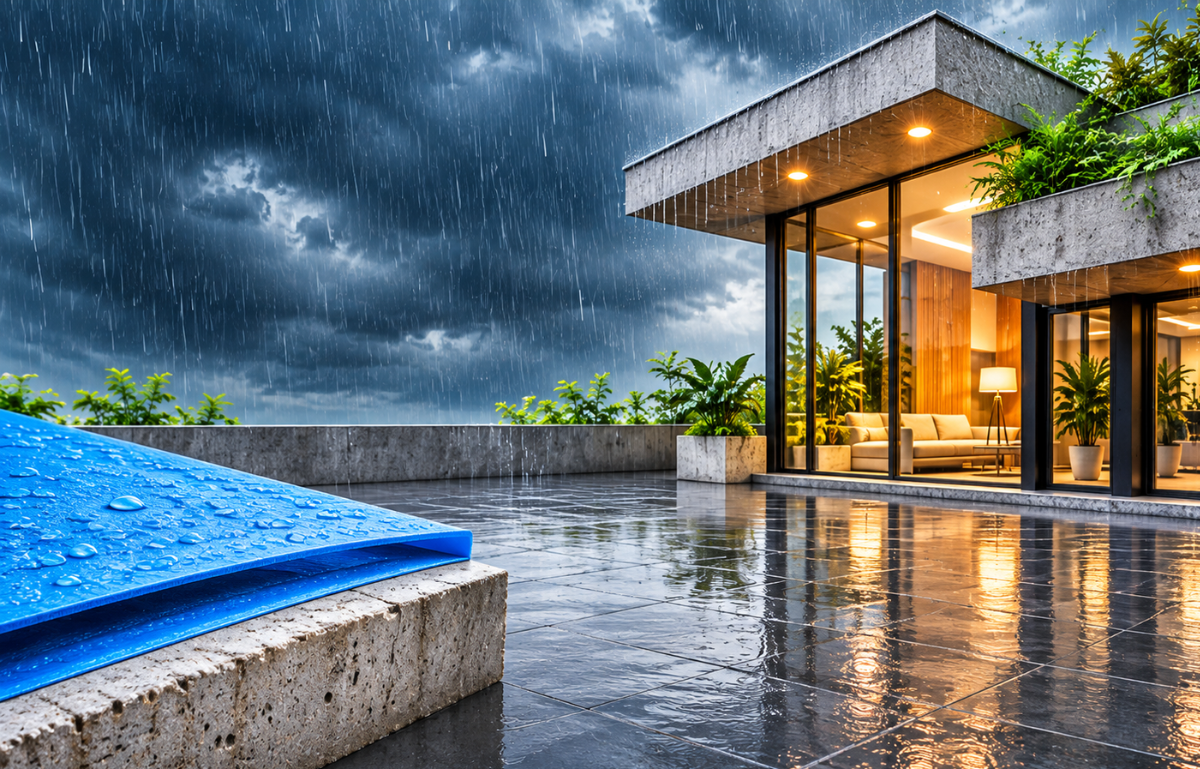
And that is why waterproofing is not just about stopping leakage. It is about protecting the building before the damage happens.
A Building Is Not Static
Once a building is complete, we tend to think of it as a static structure. But in reality, over its entire life a building continuously faces environmental stresses. Rainwater, groundwater, humidity, temperature fluctuations and condensation. All of these keep interacting with the building's materials.
Concrete looks strong. Brick looks solid. Stone looks durable. But that does not mean water cannot be absorbed into them. Over time, moisture can enter the building through tiny pores, cracks, joints and vulnerable areas.
And the most interesting thing is that this damage is not always visible immediately. Sometimes the problem keeps growing slowly inside the building and we find out only when the first damp patch appears on the wall. This is exactly where waterproofing plays its most important role.
The Journey of Water Damage: From Steel Corrosion to Expensive Repairs
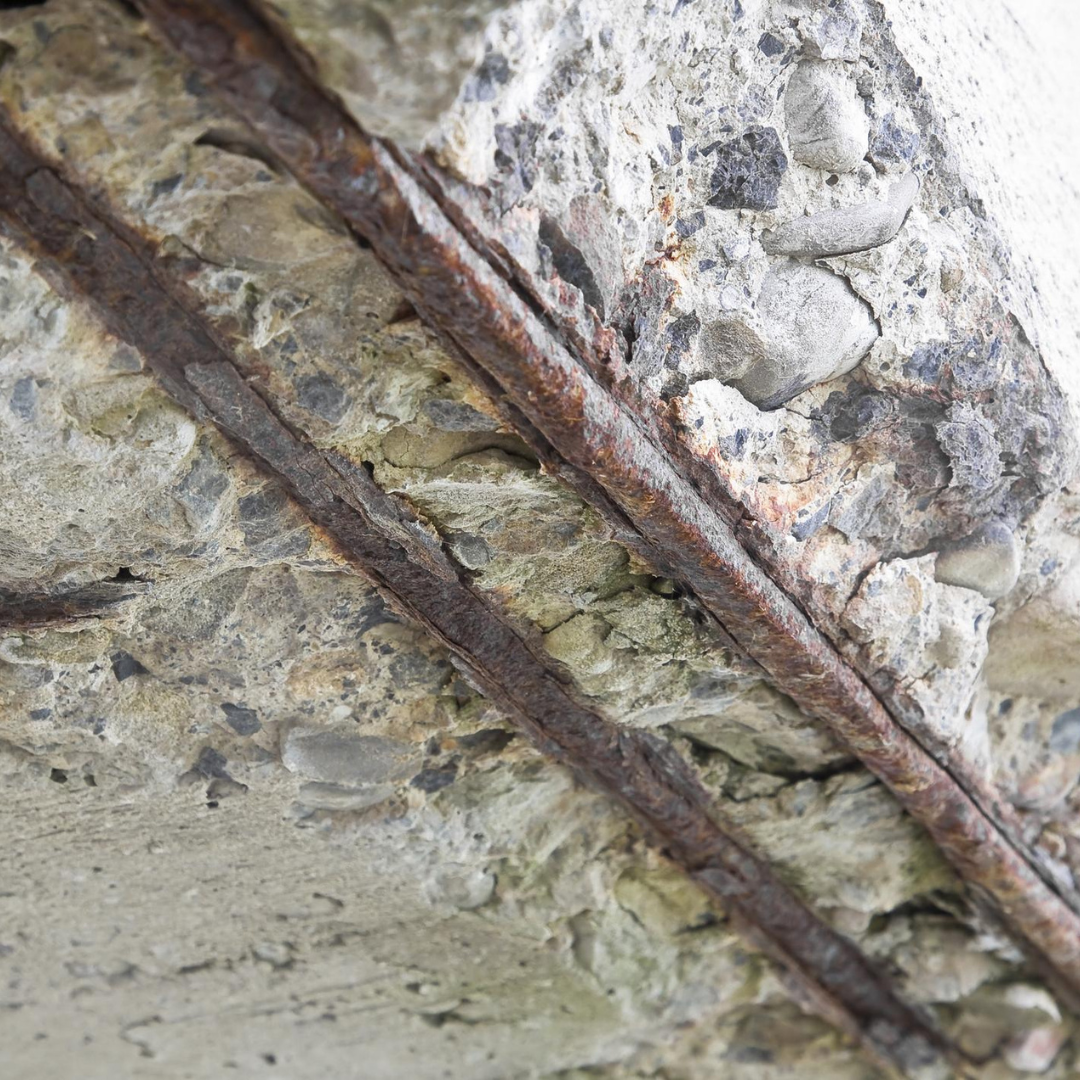
Now suppose water somehow gets inside the concrete. At first, nothing may be noticeable. But slowly, moisture can reach the reinforcement steel.
Over time, the steel can begin to corrode. And when reinforcement corrodes, it expands. This expansion can put pressure on the surrounding concrete. Cracks can develop in the concrete, and its condition gradually starts to deteriorate.
At the same time, signs begin to appear inside the building.
- Paint starts to peel.
- Plaster gets damaged.
- Mould develops.
- Furniture and finishes start to deteriorate.
And what seemed like a small seepage in the beginning can now become an expensive repair job. Because now it is not just a leak to fix. Finished surfaces may have to be broken. Damaged materials may have to be replaced. And affected areas may have to be reconstructed.
In other words, waterproofing that was a relatively small investment at the time of construction can later turn into a very expensive repair.
Waterproofing: The Protective Skin of a Building
You can think of waterproofing as the protective skin of a building. Just as our skin protects the body from outside elements, waterproofing protects a building's internal systems, structural components and finishes from the damaging effects of moisture.
And its job is not just to stop leakage.
- It protects the interiors.
- It protects the wiring systems.
- It protects the furniture and finishes.
- And most importantly, it protects the structural framework of the building.
Waterproofing Is a System, Not a Product
There is another common misconception about waterproofing. We often ask, "Which waterproofing product should we use?"
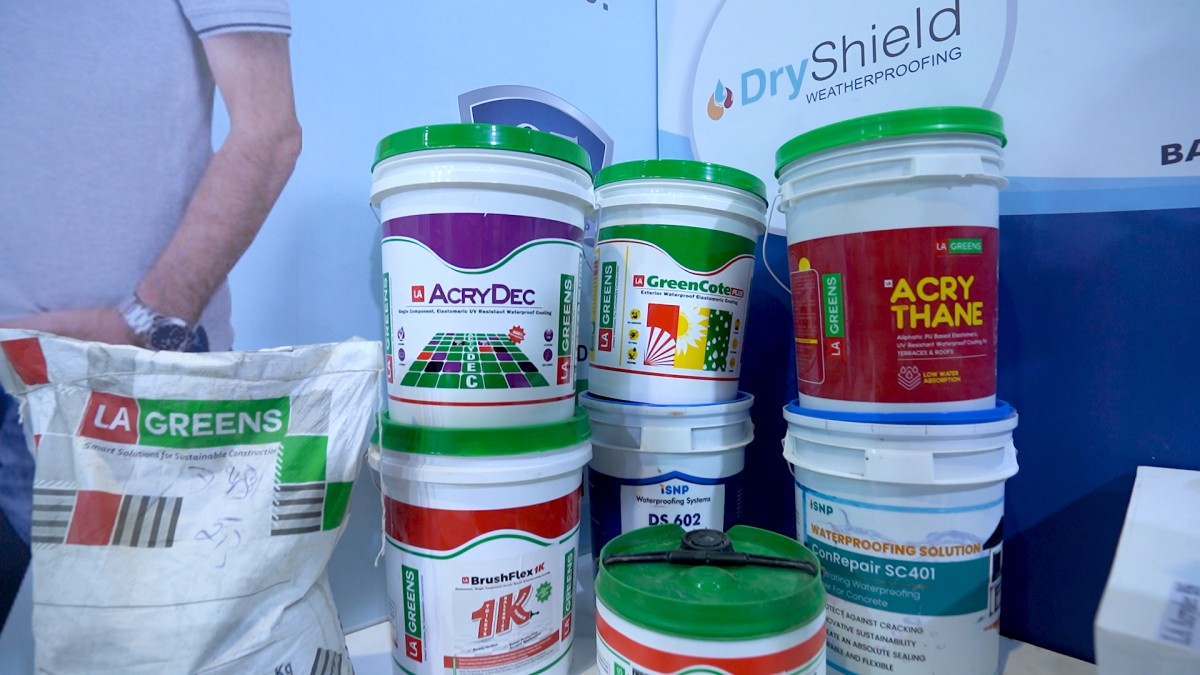
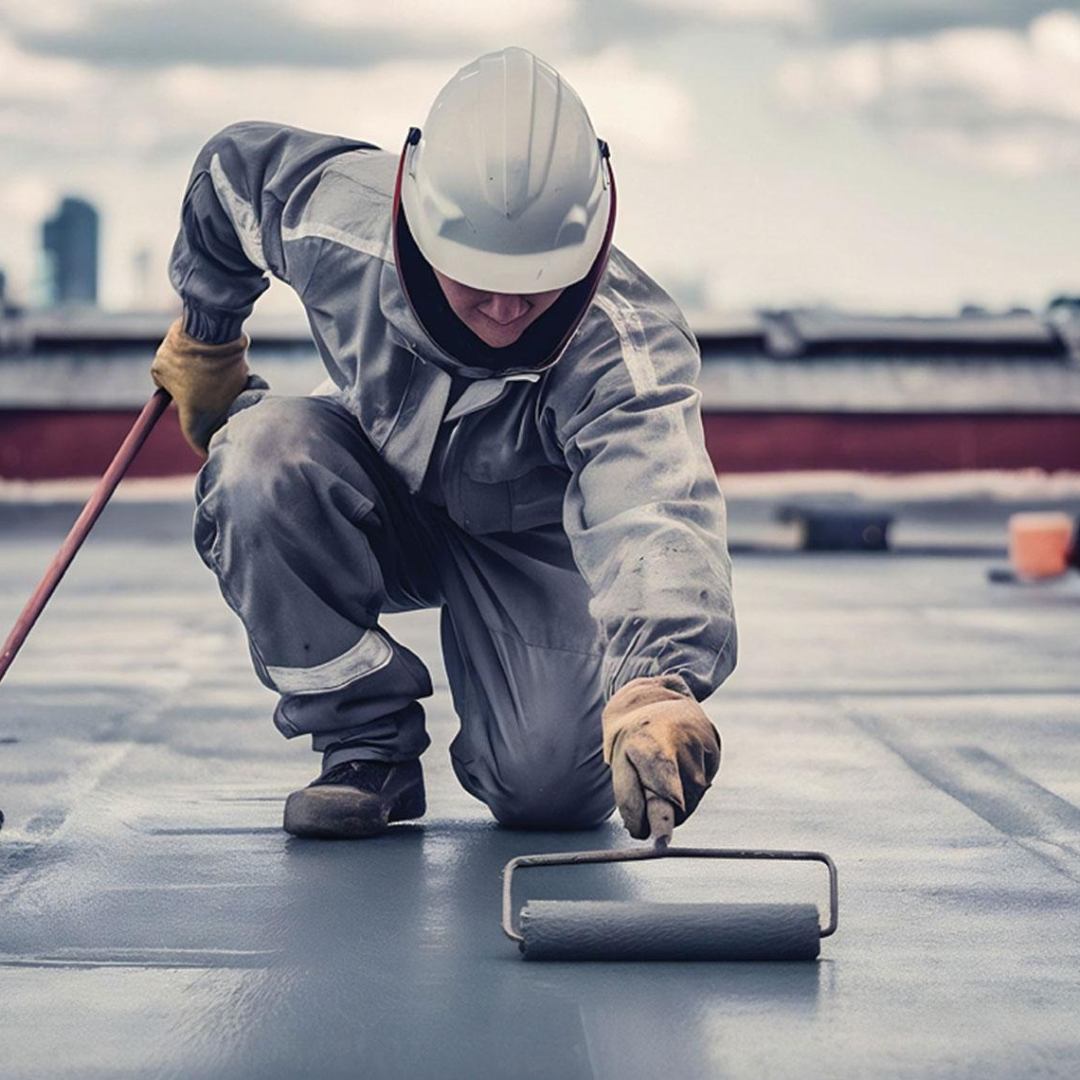
But actually, waterproofing is not just a product. It is a complete waterproofing system. Design, material selection, detailing, method of application and quality control: everything matters.
Because not every part of a building faces the same type of water exposure. A terrace faces rainfall and water ponding. A bathroom faces continuous moisture. And a basement may face groundwater pressure. So obviously, it would not be logical to use the same waterproofing solution in all three places.
That is why the question should not be, "Which is the best waterproofing product?"
The question should be, "What is the right waterproofing system for this particular area and application?"
Which Areas of a Building Need Waterproofing the Most?
Let us look at some areas of a building where waterproofing becomes particularly important.
1. Roof and Terrace Waterproofing
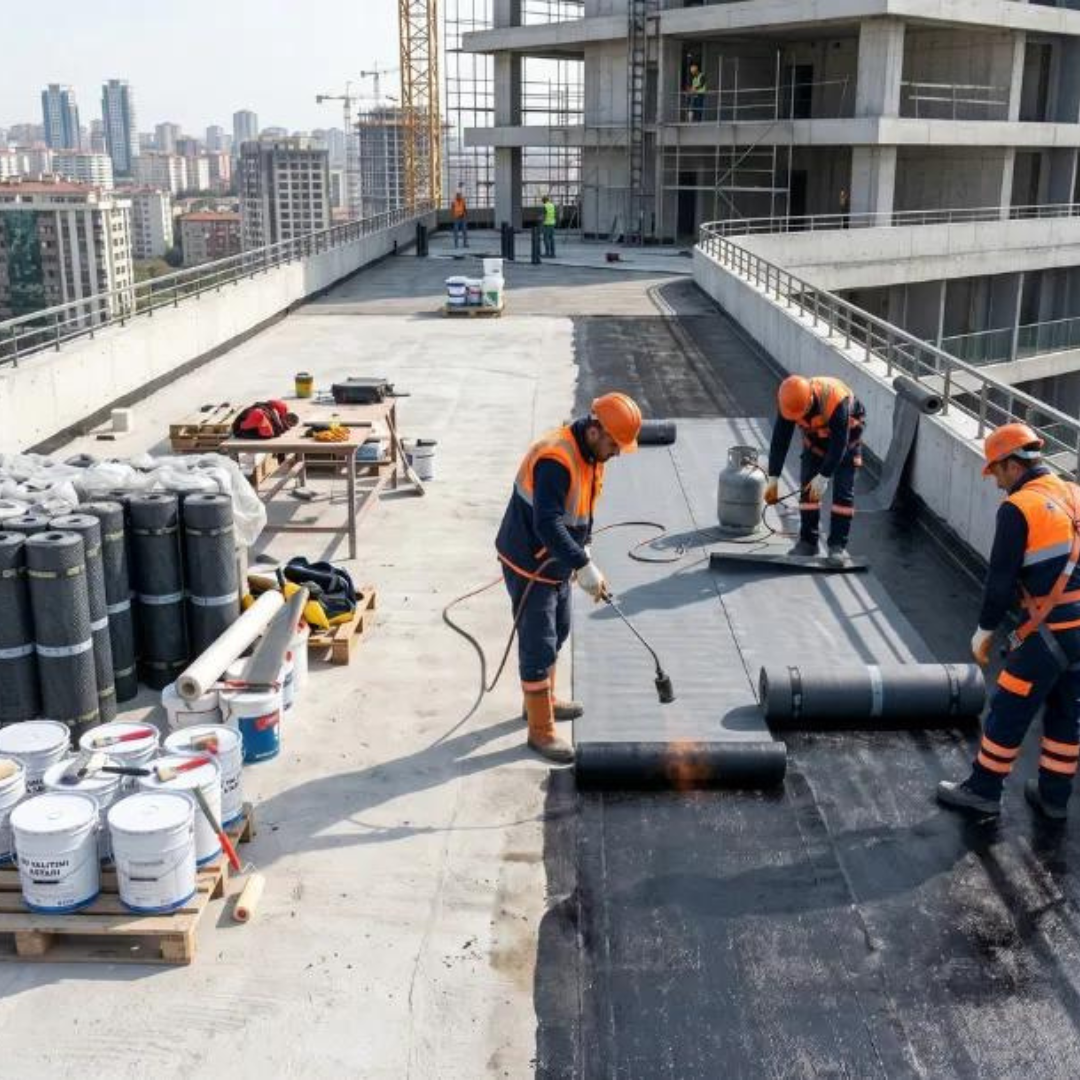
The roof is the most exposed surface of a building. Direct rainfall, weather exposure, temperature changes and water ponding during heavy rains all affect the roof. That is why a roof's waterproofing system must be designed to handle all of these conditions.
2. Bathrooms and Wet Areas
Water exposure here is almost continuous. That is why waterproofing must be properly planned at the appropriate stage of construction, not after the finishes are installed.
3. Balconies and Podiums
These are external horizontal surfaces that face both rain and temperature variations.
4. Basement Waterproofing
The challenge here is a little different. In a basement, water does not come only from above. Groundwater can create pressure on the structure.
5. Water Tanks and Retaining Walls
Water storage structures, such as concrete tanks and retaining walls, also need specialised waterproofing systems.
6. Service Shafts
One area that often gets overlooked during construction is the service shaft. These spaces may not be the most glamorous part of a building, but if they are not properly waterproofed and detailed, they can become pathways for water migration.
Waterproofing Technology: Which System Is Used Where?
Waterproofing technology has developed considerably over the last few years. Today, different waterproofing systems are available for different applications.
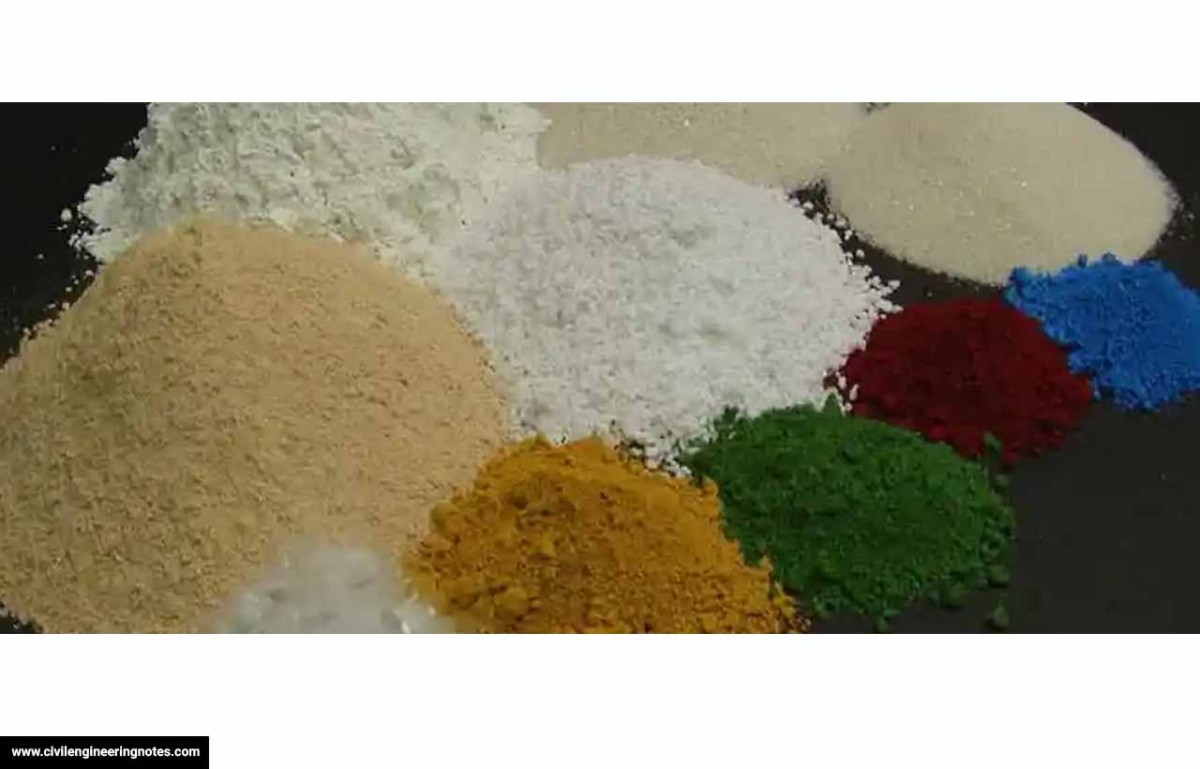
- Cementitious waterproofing systems
- Polymer-modified coatings
- Crystalline waterproofing
- Acrylic waterproofing membranes
- Polyurethane-based systems
- Polyurea coatings
- APP and SBS modified bituminous membranes
- Synthetic membrane systems such as PVC and EPDM
But it is important to understand one thing here. Just because advanced technology is available does not mean it is better everywhere. The system has to be selected according to the application.
These are the factors to consider when selecting a waterproofing system:
- What are the project's requirements?
- What is the climate like?
- What is the structural design?
- How much water exposure is there?
- And what is the expected service life of the building?
The Design Stage: The Most Important Phase of Waterproofing
And perhaps the most important stage of waterproofing is the one when no waterproofing material has even been applied to the building yet – "The design stage."
Thinking about waterproofing at the end of construction can be a costly mistake. Architects, structural consultants and waterproofing specialists should work together from the early stages of a project, particularly to identify the areas where the risk of water entry is higher.
For example:
- Junctions between concrete and brick
- Metal penetrations
- Glazing interfaces
- Expansion joints
- Movement joints
These may look like small details on drawings. But in a real building, water often enters through exactly these kinds of vulnerable junctions. And that is why, in construction, small detailing can sometimes prevent a very big problem.
Waterproofing and India's Climate
There is one more factor that makes waterproofing even more interesting: India's climate. The climate is not the same in every region of India. Coastal areas have different problems. High-rainfall regions face different challenges. And hot and arid regions have different requirements.
A waterproofing system that performs well in a coastal environment will not necessarily perform the same way in a region with extreme temperature fluctuations. In coastal areas, along with moisture ingress, carbonation and salt-laden air can also be concerns. In hotter regions, on the other hand, thermal insulation and reflective roof systems can be integrated with waterproofing. In other words, waterproofing is not just about "keeping water out." It is slowly becoming an important part of overall building performance.
Waterproofing and Sustainability: Making What We Build Last Longer
And this is where waterproofing connects with sustainability. When we talk about sustainable construction, we usually talk about energy efficiency, material selection and carbon reduction. But an important part of sustainability is durability.
If a durable waterproofing system extends the life of a building, reduces maintenance requirements and lessens the need for repeated repairs then indirectly it also reduces material consumption and construction waste.
Why Do Waterproofing Failures Still Happen?
Waterproofing failures are still common today. Why? Not because of a lack of technology. Often the problem lies in how waterproofing is approached.
Common mistakes:
- Treating waterproofing as a low-priority construction activity
- Selecting a solution only on the basis of cost
- Focusing on the product brand, not the whole system
- Hiring untrained applicators
- Ignoring the detailing of junctions and penetrations
- Delaying waterproofing decisions until almost the end of construction
And perhaps the biggest mistake is that waterproofing is treated as work that anyone can do. But that is not true. Just as structural engineering, electrical design and HVAC planning are specialised disciplines, waterproofing is also a specialised field. It requires technical understanding, proper detailing and project-specific solutions.
Conclusion: Why Should Waterproofing Get This Much Importance?
Overlooking waterproofing just because you're thinking "How much extra will it cost?" Perhaps you need to change the question and think – "How much will the building have to pay later just because we skipped waterproofing?"
Because by the time the damp patch becomes visible on the wall, the damage has already been done. Waterproofing protects almost everything – the structure, the interiors, the finishes. And ultimately, the durability of the building.
Good waterproofing is not visible. You do not notice it. You do not talk about it when everything is normal. And actually, that is its success. The best waterproofing is not the one that fixes the damage after a leak. The best waterproofing is the one that never lets the leak happen.
FAQs
Is waterproofing only for stopping leakage?
No. Waterproofing protects a building before damage happens, including its interiors, electrical systems, furniture, finishes and, most importantly, its structural framework.
Can the same waterproofing product be used everywhere?
No. A terrace, a bathroom and a basement face different water exposure, so the right waterproofing system must be selected for each area.
When should the waterproofing decision be made?
At the design stage. Architects, structural consultants and waterproofing specialists should work together from the early stages of the project.
What is the biggest reason waterproofing fails?
Not a lack of technology, but the approach: selecting on cost alone, hiring untrained applicators, ignoring junction detailing and delaying decisions are the common causes.
How is waterproofing linked to sustainability?
A durable waterproofing system extends a building's life and reduces repeated repairs, which in turn lowers material consumption and construction waste.