
Ar. Wu Jiang on Contemporary Indian Architecture | ARCASIA 2026
- November 19, 2026
- By: Building Material Reporter
- INFLUENCERS
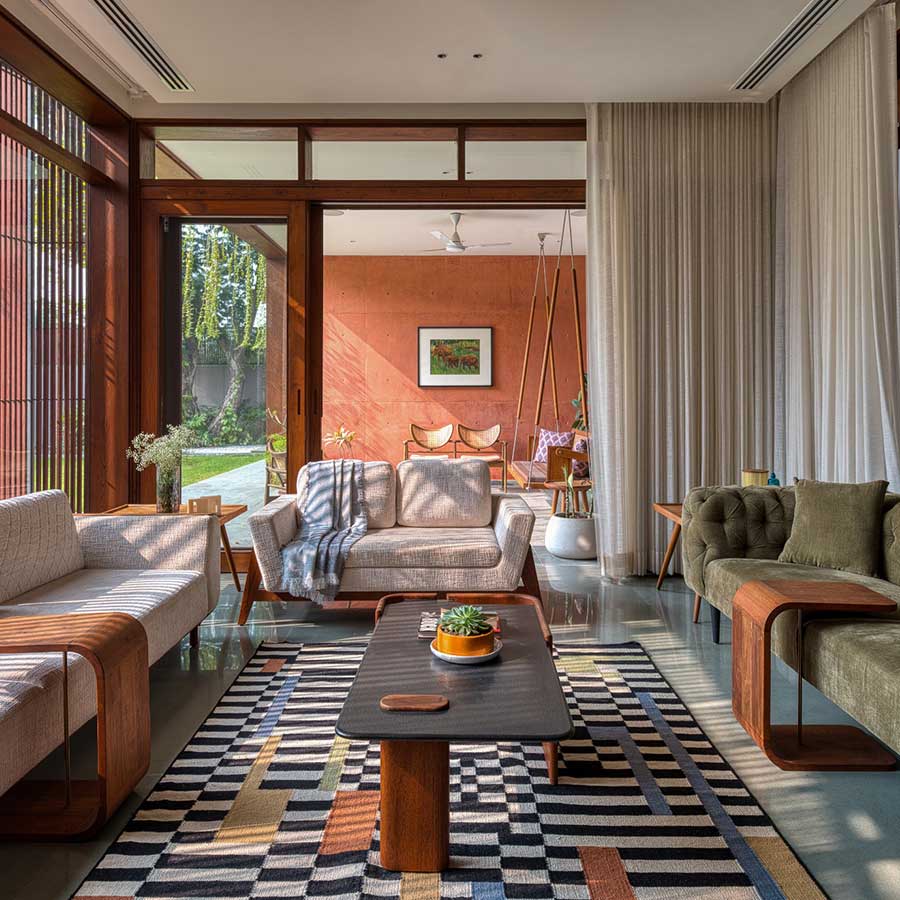
India’s contemporary architecture is praised and admired for its adaptive nature and depth, but its real strength lies in the past. From public buildings to private homes, many of the most thoughtful and admired buildings exhibit the traces of Indian architectural history, whether in how they play with light and climatic conditions or in how they institutionalise a society with their community vision.
ARCASIA Forum 2026
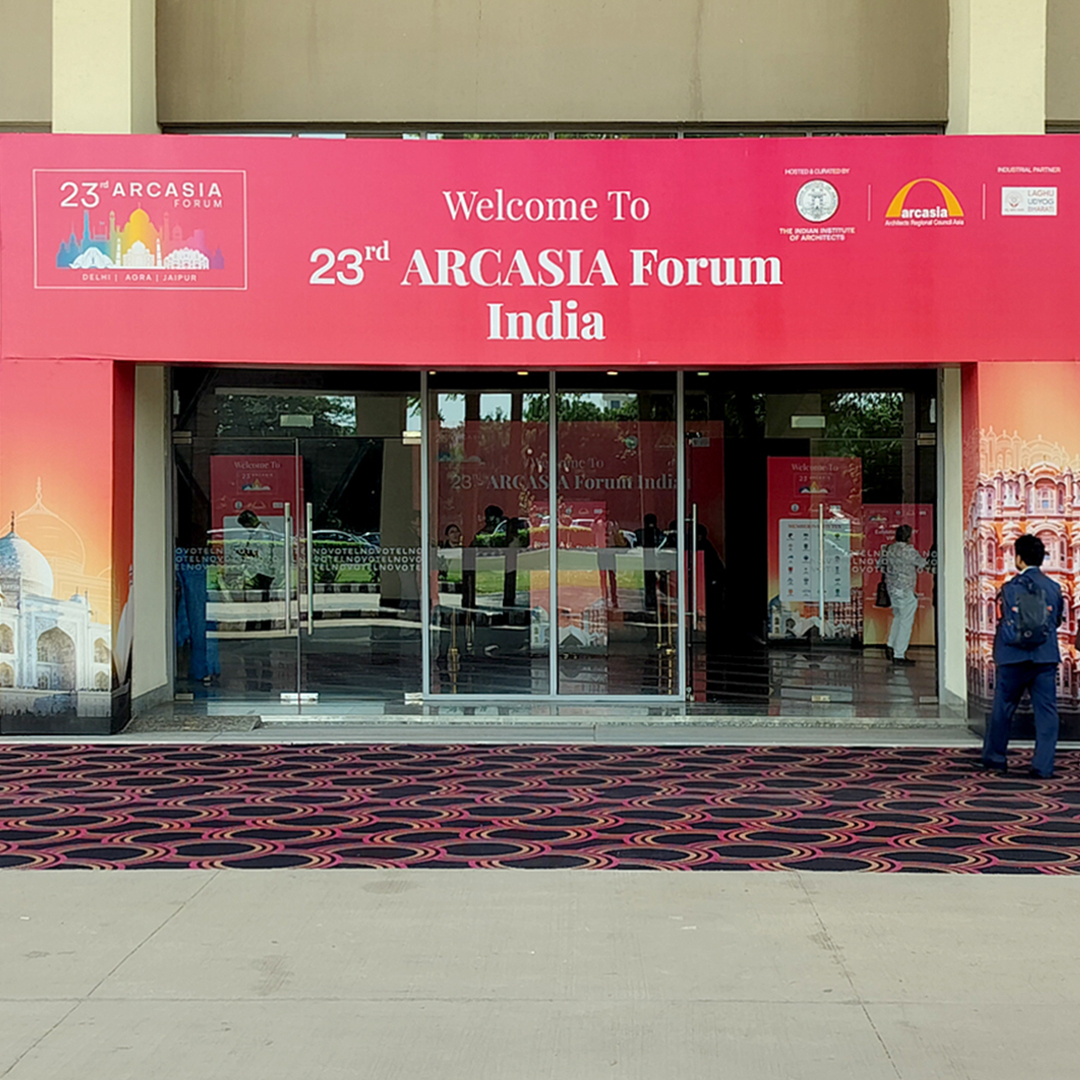
This idea of learning from history to create a great future was at the center of this year’s ARCASIA Forum in Jaipur. The Architects Regional Council Asia (ARCASIA) was established in Jakarta, Indonesia, in 1979. Through initiatives like ARCASIA Awards for Architecture, it brings together architectural associations from 24 countries and regions across Asia. With time it has evolved to be one of the most influential platforms for architects.
This year, the 23rd ARCASIA Forum 2026 was hosted by the Indian Institute of Architects (IIA), across Delhi, Agra and Jaipur under the theme “Bringing Back… Vernacular Wisdom.”
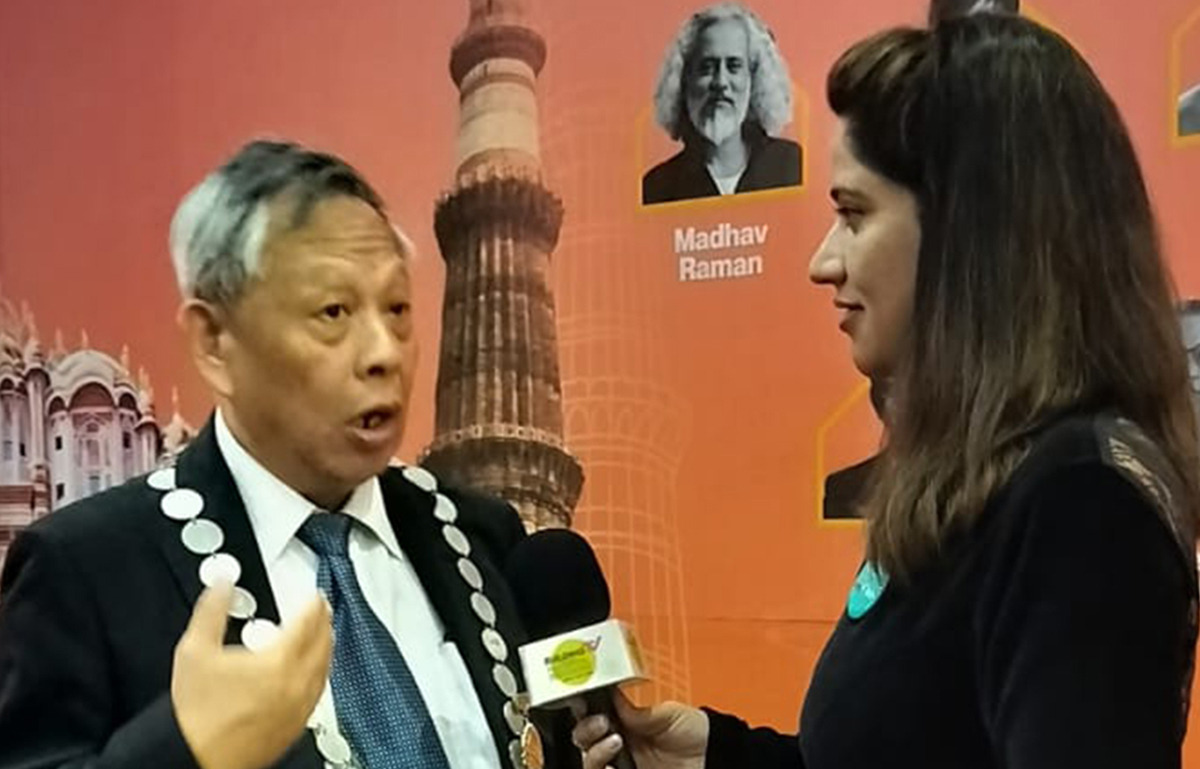
Conversation with Ar. Wu Jiang
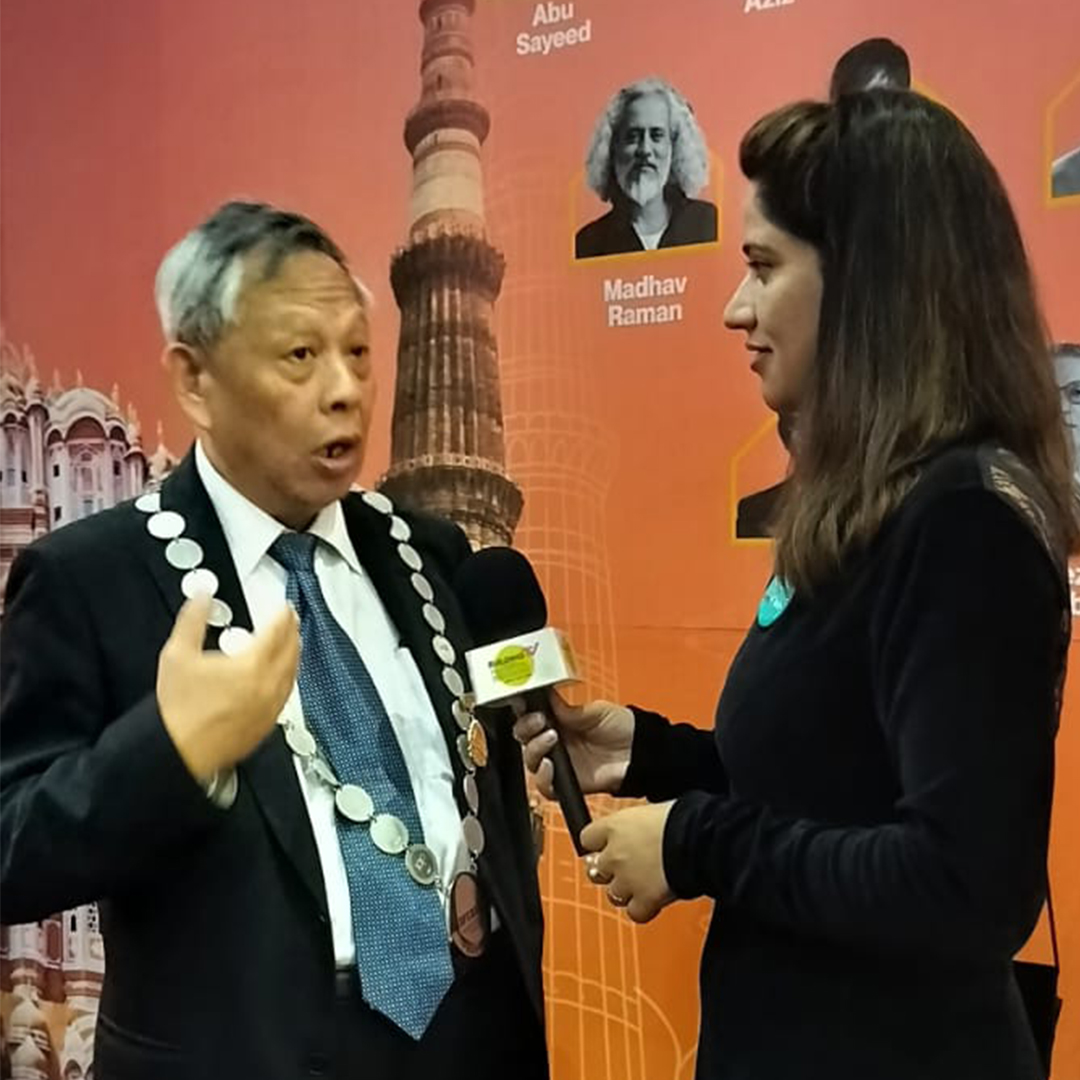
In a short conversation with BMR Media Group, at ARCASIA 2026 in Jaipur, Ar. Wu Jiang, President of ARCASIA, spoke about the 23rd ARCASIA Forum and its theme. While in the conversation he also highlighted how Indian contemporary architects continue to draw inspiration from the historical legacies, and why he believes architecture today is not just about construction.
“Indian architecture, and in particular Indian contemporary architecture, has learned a lot from its own roots.”
His words reflect that a building is never just a static structure. It exhibits the culture, climate and beliefs of the place where it’s shaped.
To explain his point, he named one of the most celebrated names in Indian architecture, the late Charles Correa, whom he remembered as a friend. Correa is remembered for projects like the Gandhi Smarak Sangrahalaya in Ahmedabad and the Jawahar Kala Kendra in Jaipur, buildings that are contemporary in form yet rooted in Indian culture of space and community. It is a perfect example of what Ar. Wu Jiang describes: modern architecture that does not break from history but builds on it, and that turn the past into the future.
About Ar. Wu Jiang
Ar. Wu Jiang, President of ARCASIA, is a powerful name in the world of architecture. He has pursued his bachelor’s, master’s and doctoral degrees at the College of Architecture and Urban Planning, at Tongji University, Shanghai. From 1986 to 2003, he taught architectural history, urban design and historic preservation at Tongji University, as his research area revolved around the history and theory of architecture and preservation of cultural heritage.
Apart from this, he has also been a visiting scholar at the University of Hong Kong and at Harvard’s Graduate School of Design, and has written more than 10 books, including A History of Shanghai Architecture 1840-1949. His work has been recognized with several honours, among them a first prize at China’s National Planning and Design Award in 2014.
Frequently Asked Questions (FAQs)
1. What is the ARCASIA Forum 2026?
The 23rd ARCASIA Forum 2026 was hosted by the Indian Institute of Architects (IIA) across Delhi, Agra and Jaipur. Its theme was “Bringing Back… Vernacular Wisdom.”
2. What is ARCASIA?
The Architects Regional Council Asia (ARCASIA) was established in Jakarta, Indonesia, in 1979. It brings together architectural associations from 24 countries and regions across Asia and runs initiatives like the ARCASIA Awards for Architecture.
3. Who is Ar. Wu Jiang?
Ar. Wu Jiang is the President of ARCASIA. He holds bachelor’s, master’s and doctoral degrees from Tongji University, Shanghai, where he taught from 1986 to 2003. He has also been a visiting scholar at the University of Hong Kong and Harvard’s Graduate School of Design.
4. What did Ar. Wu Jiang say about Indian contemporary architecture?
He said that Indian architecture, and in particular Indian contemporary architecture, has learned a lot from its own roots. According to him, a building reflects the culture, climate and beliefs of the place where it is shaped.
5. Which architect did Ar. Wu Jiang cite as an example?
He named the late Charles Correa, whom he remembered as a friend. Correa is known for projects like the Gandhi Smarak Sangrahalaya in Ahmedabad and the Jawahar Kala Kendra in Jaipur, which are contemporary in form yet rooted in Indian culture.