
V.I.J.A.Y. Awards 2026 Spotlights Emerging Design Talent Through Urban Regeneration Challenge
- June 23, 2026
- By: Editorial Team
- NEWS
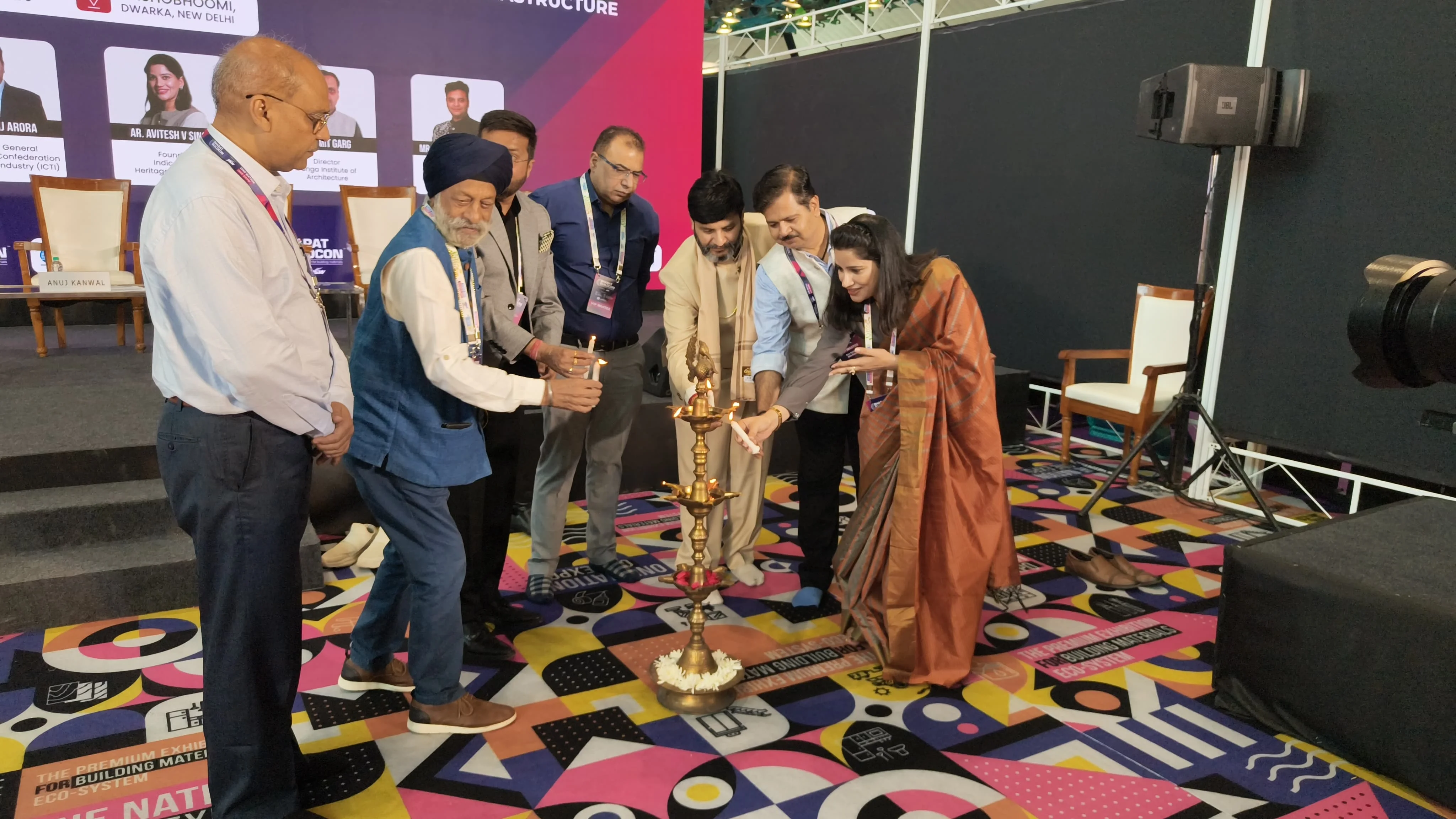
Held during Bharat Buildcon 2026 at Yashobhoomi, New Delhi, the inaugural V.I.J.A.Y. Awards recognised some of India's most promising architecture students for their innovative approaches to transforming neglected urban spaces into vibrant public environments.
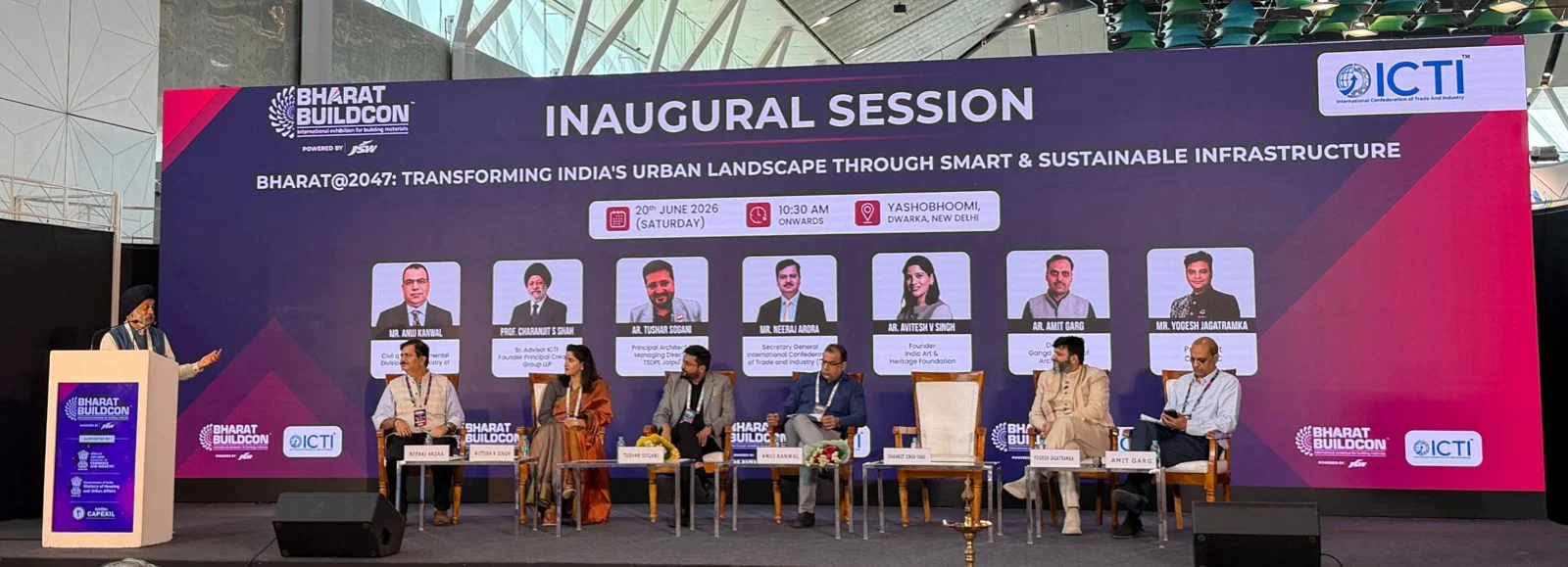 The growing importance of public space, urban regeneration, and community-centric design took centre stage at the inaugural edition of the V.I.J.A.Y. Awards 2026 – The Emerging Architect Award, which concluded recently at Bharat Buildcon 2026 at the Yashobhoomi Convention Centre in New Delhi.
Organised by the Indic Art & Heritage Foundation (IAHF), the awards were instituted in memory of Ar. Vijay Garg, a respected architect, educator, and mentor whose contributions to architectural education have influenced generations of professionals. Conceived as a platform to identify and encourage emerging talent, the initiative brought together architects, academicians, students, and industry stakeholders to celebrate innovation in architectural thinking and design.
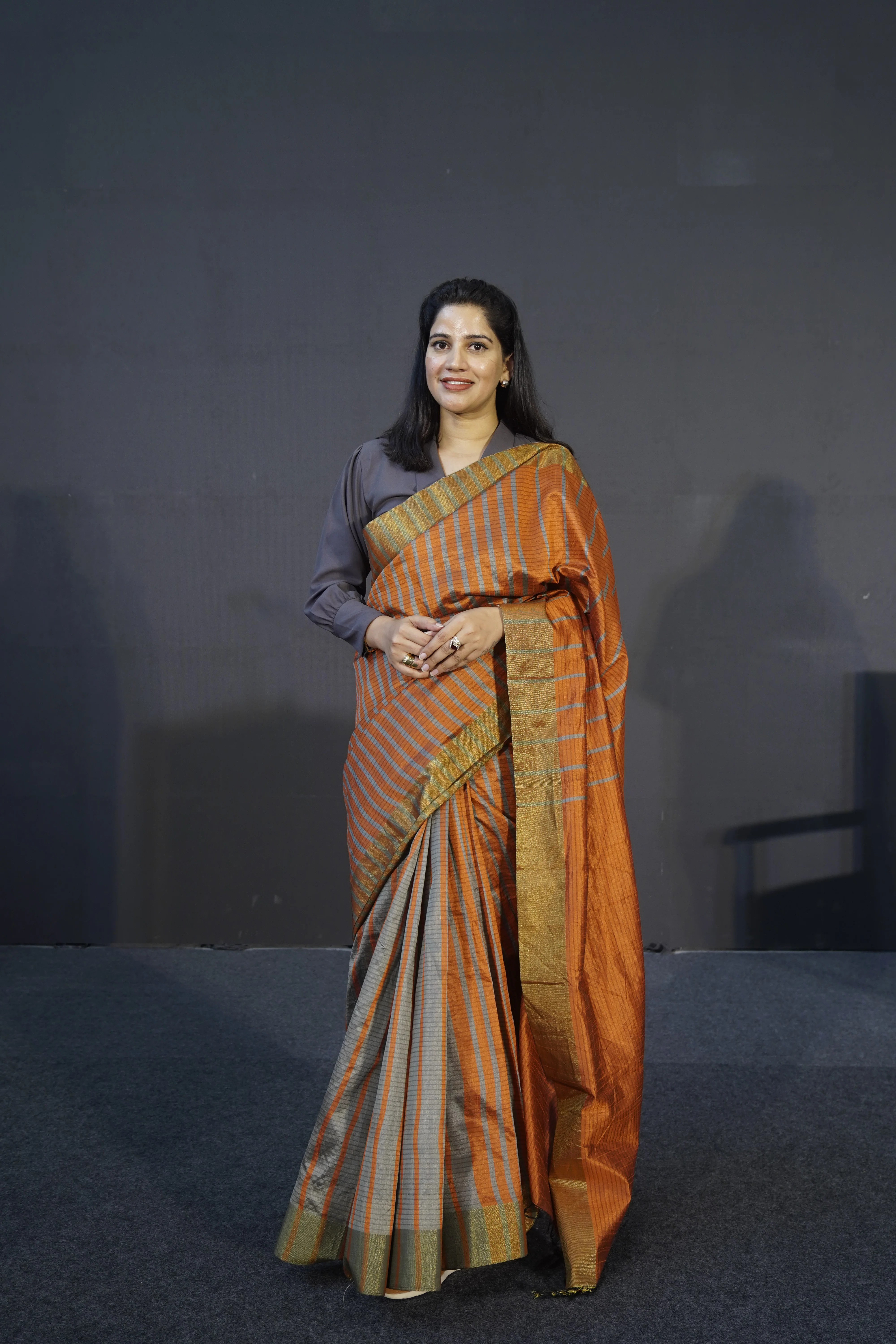
The initiative was curated by Ar. Avitesh V. Singh, Founder of the Indic Art & Heritage Foundation (IAHF), an organisation focused on advancing architecture education, heritage conservation, research, and student engagement. Through competitions, publications, dialogues, and educational initiatives, the Foundation works towards nurturing emerging talent while fostering greater appreciation for India's architectural and cultural legacy.
At a time when Indian cities are grappling with challenges related to urban density, public infrastructure, and the quality of shared spaces, the competition's theme—"Reclaiming Forgotten Urban Spaces: Transforming Neglected Urban Voids into Vibrant Public Places"—proved particularly relevant. Participants were tasked with reimagining underutilised urban pockets and proposing interventions capable of generating social, environmental, and community value.
The response to the competition reflected a growing awareness among architecture students regarding the role of design in addressing contemporary urban issues. A total of 167 entries were received from institutions across the country, showcasing diverse interpretations of the brief and a strong emphasis on sustainability, inclusivity, and contextual sensitivity.
Many of the submissions explored how overlooked urban spaces—often considered residual or problematic—can be transformed into active public destinations. From adaptive reuse strategies and tactical urbanism interventions to community-oriented public spaces, the entries demonstrated a mature understanding of the relationship between architecture, society, and the urban environment.
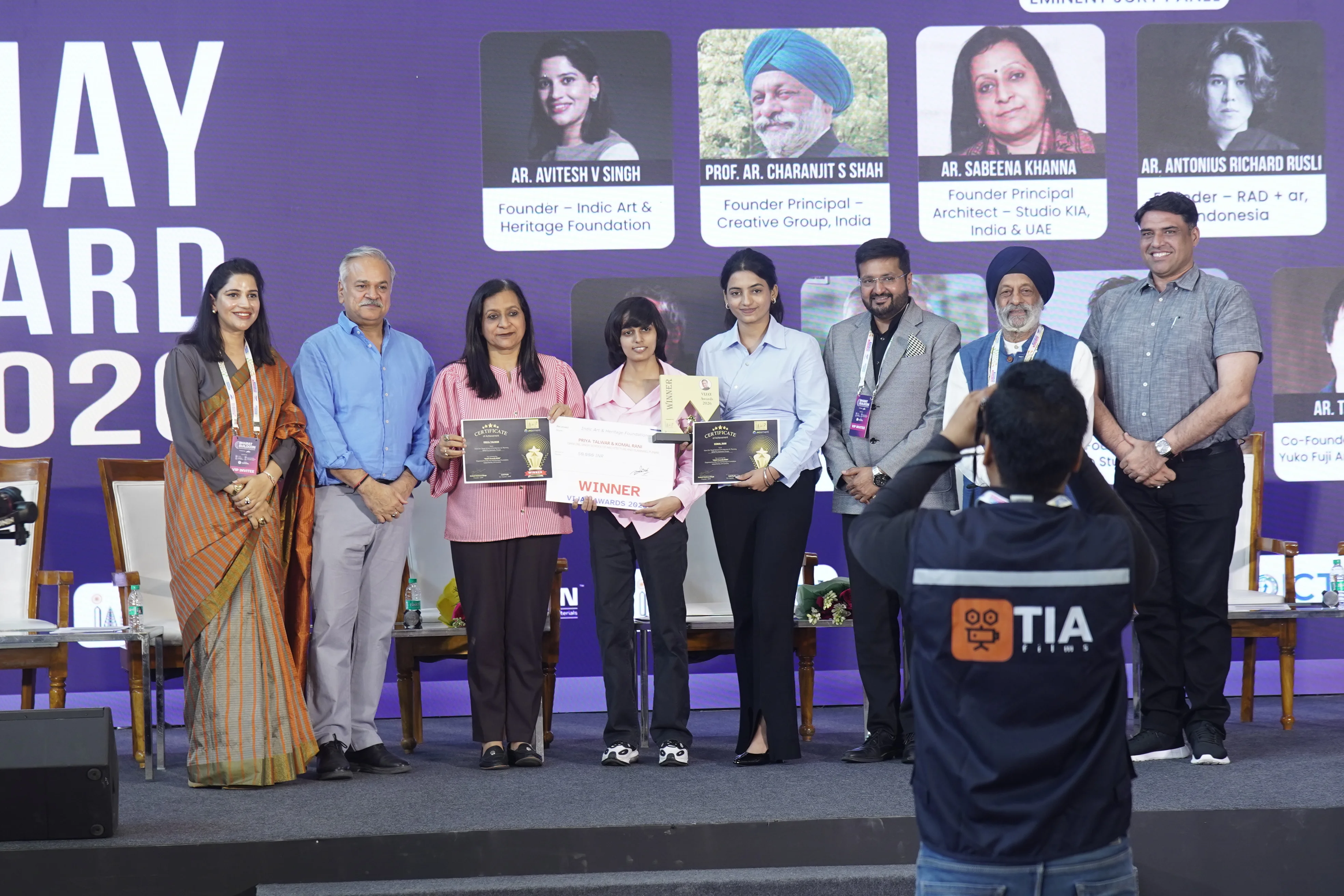
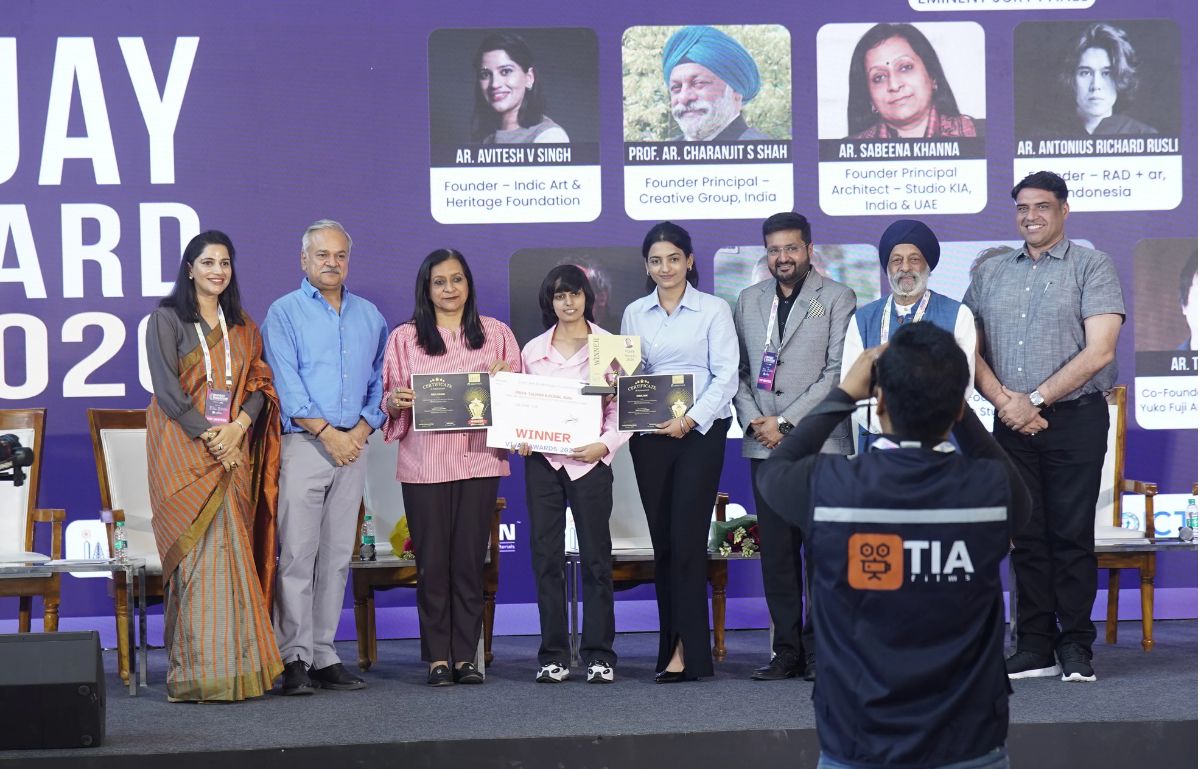
A notable aspect of the awards was the composition of its jury panel, which brought together prominent figures from India and abroad. The panel included Prof. Abhay Vinayak Purohit, President of the Council of Architecture, India; Ar. Michele Pasca Di Magliano, Director at Zaha Hadid Architects, London; Ar. Sanjay Singh of Arcop Associates; Jimmy Mistry, Founder and CMD of Della Townships; Prof. Charanjit S. Shah of Creative Group; Ar. Sabeena Khanna of Studio KIA; Ar. Vivek Gupta of Arvind Vivek & Associates; Ar. Antonius Richard Rusli of Indonesia-based RAD+ar; Ar. Alan Cheung of Hong Kong's One Bite Design Studio; and Japanese architect Ar. Takaaki Fuji.
The participation of internationally acclaimed professionals provided students with an opportunity rarely available within academic competitions. Their collective expertise brought global perspectives to the evaluation process while reinforcing the growing international relevance of Indian architectural education.
Following a detailed assessment of the submissions, the jury announced the winners of the inaugural edition.
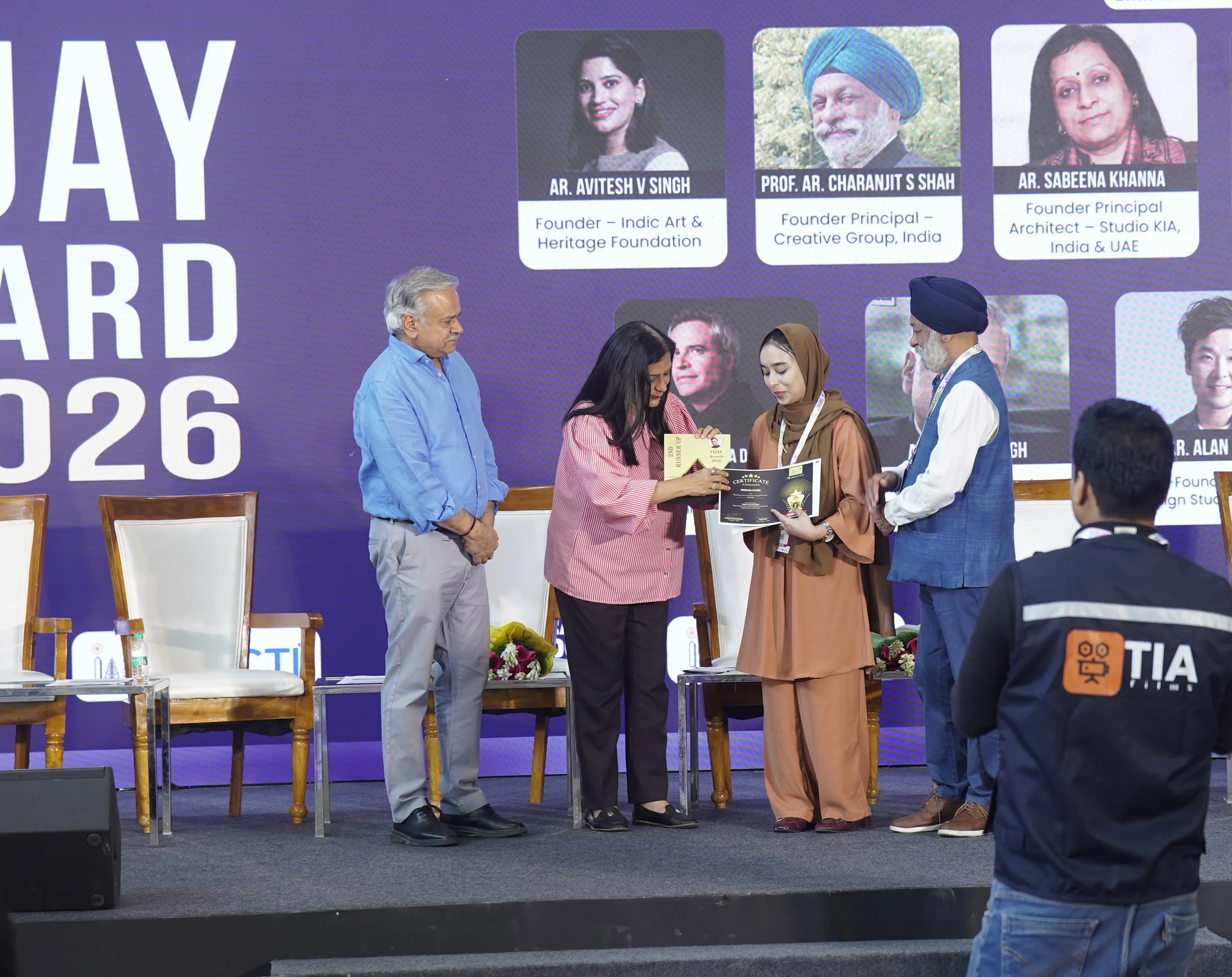
The Winner's Award was presented to Priya Talwar and Komal Rani from the Giani Zail Singh School of Architecture and Planning, Punjab. The First Runner-Up position was secured by Vrishti Aggarwal and Arpit Sharma from the School of Art and Architecture, Sushant University, Haryana, while Mariyam Fatima of Integral University, Lucknow, was declared the Second Runner-Up.
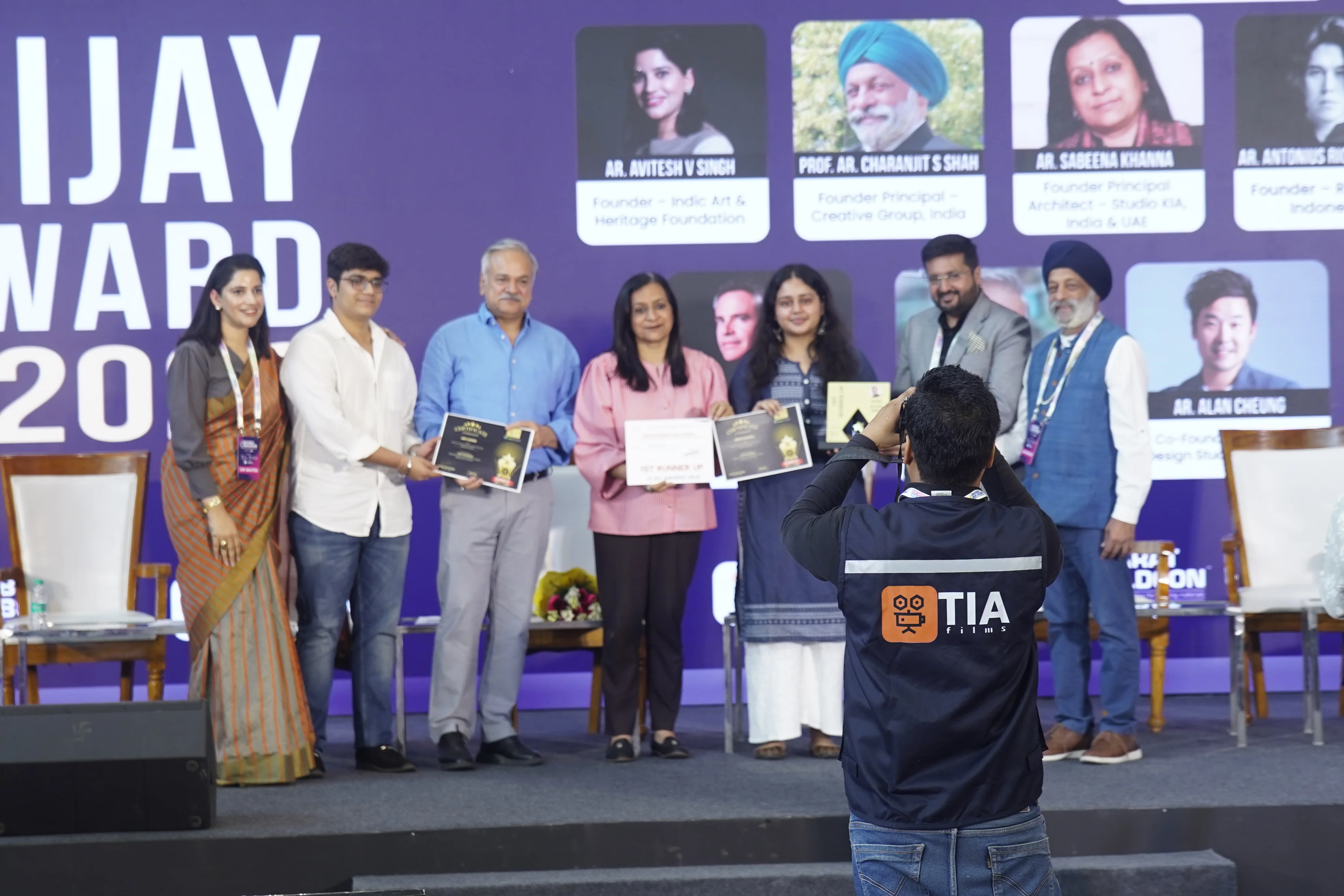
Special Mentions were awarded to Vatsal Champaneri and Nandita Karennawar from the National Institute of Technology Tiruchirappalli and Hetvi Godiwala from Nirma University.
According to jury observations shared during the event, the winning entries distinguished themselves through their ability to combine innovation with practical applicability. The projects demonstrated a nuanced understanding of site conditions, community needs, and environmental concerns while presenting compelling visions for the transformation of neglected urban spaces.
Beyond recognising design excellence, the awards also served as a tribute to the enduring legacy of Ar. Vijay Garg. The presence of his family members, former students, professional colleagues, and long-time associates lent a personal dimension to the occasion, highlighting the impact he had on architectural education and professional mentorship.
The event further underscored the growing importance of industry-academia collaboration in nurturing future design professionals. Support from organisations such as JK Cement, the Prize Partner, and ICTI, the Event Partner, contributed to creating a platform where students could engage with leading practitioners and gain visibility within the broader architectural ecosystem.
Industry observers noted that initiatives such as the V.I.J.A.Y. Awards play an important role in bridging the gap between architectural education and professional practice. By focusing on real-world urban challenges rather than purely academic exercises, the competition encouraged students to think critically about the social responsibilities of architecture and the long-term impact of design decisions.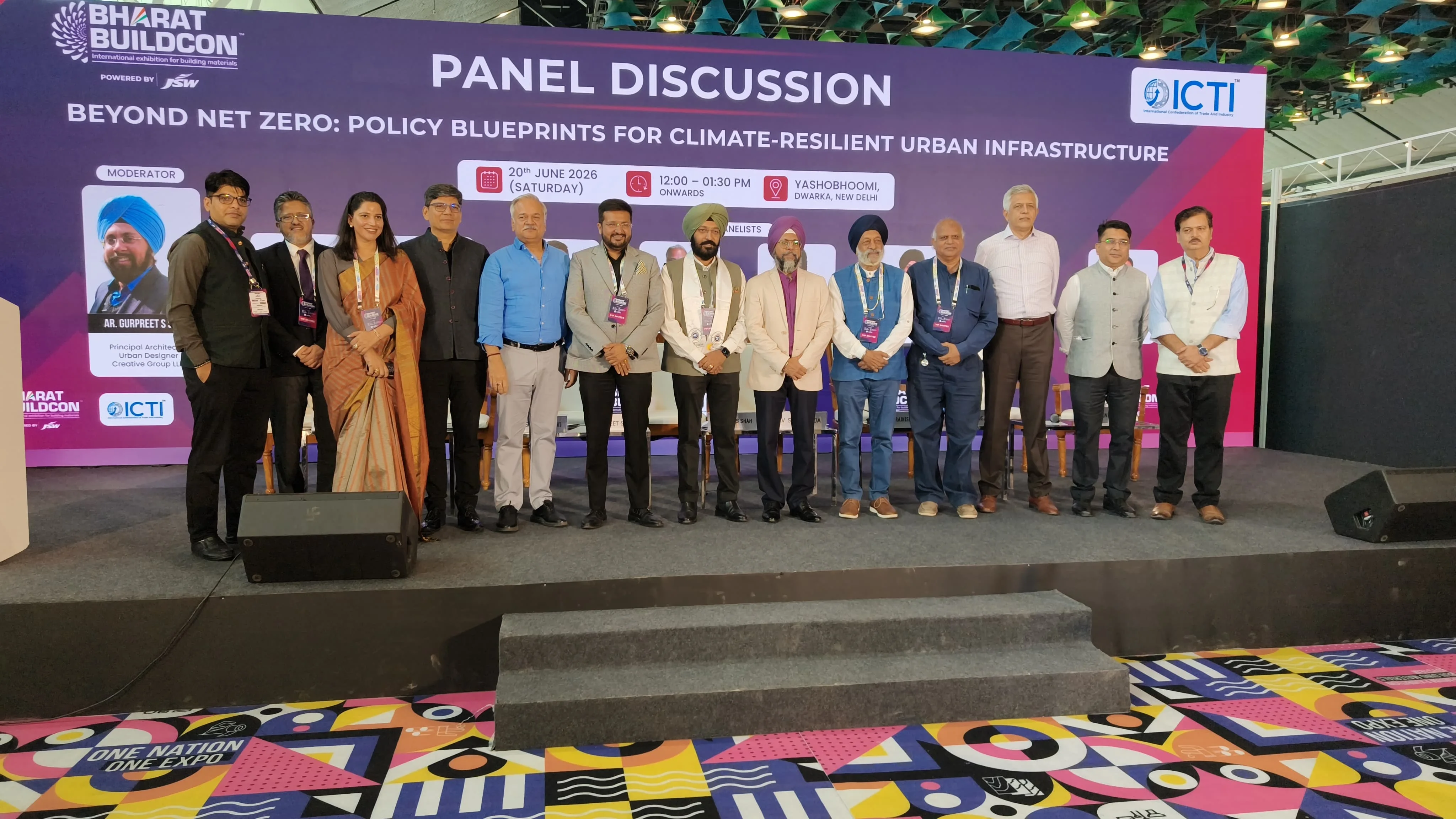
The awards also highlighted a broader shift within architectural education towards issues of sustainability, adaptive reuse, public realm enhancement, and community engagement. Many of the shortlisted projects reflected a growing recognition that the future of architecture lies not only in creating new buildings but also in reimagining and revitalising existing urban environments.
With a successful inaugural edition and strong participation from students across the country, the V.I.J.A.Y. Awards have emerged as a promising platform for identifying and celebrating the next generation of architects. As the initiative looks ahead to its 2027 edition, it is expected to further strengthen conversations around innovation, urban regeneration, and the evolving role of architecture in shaping more inclusive and resilient cities.