
What Is Delhi’s New Kartavya Bhawan? PM Modi Inaugurates Landmark Administrative Project
- August 8, 2025
- By: Syed Md. Ehteshamul Hasan
- NEWS
As India modernises the way governance functions, the inauguration of Kartavya Bhawan marks a significant milestone. More than a new office complex, it represents a shift towards efficient administration, sustainable infrastructure, and future-ready public institutions in the capital.
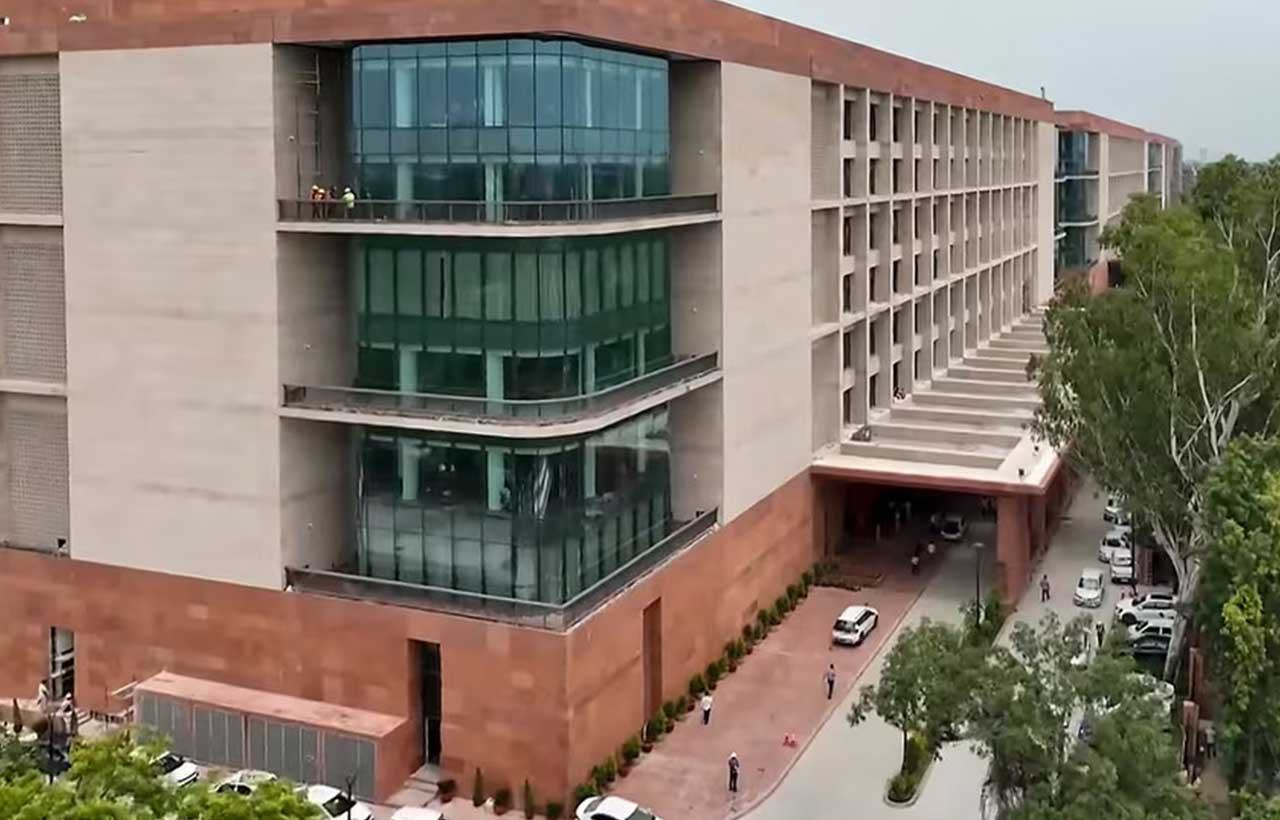
Prime Minister Narendra Modi recently unveiled Kartavya Bhawan, one of the most significant components of the Central Vista redevelopment project in New Delhi. Positioned as part of the wider Common Central Secretariat plan, the new complex is designed to consolidate ministries, improve coordination, and replace outdated office infrastructure spread across the city.
The inauguration of Kartavya Bhawan by PM Modi has drawn attention not only for its administrative importance but also for what it symbolises—India’s next generation of government workplaces. With smart systems, energy-efficient features, and modern planning, the project stands as a landmark initiative in the form of new government secretariat building in Delhi that aligns governance with contemporary needs.
What Is Kartavya Bhawan?
Located in the heart of the national capital, Kartavya Bhawan is one of the first completed buildings under the Common Central Secretariat programme. The term ‘Kartavya’ translates to duty, making the name especially symbolic for a building meant to house critical ministries and departments serving the nation.
The project has been envisioned as a high-performance Central Vista office building Delhi that combines functionality, security, accessibility, and sustainability. Instead of multiple ministries functioning from rented or ageing offices across Delhi, Kartavya Bhawan aims to bring departments together under one integrated ecosystem.
This centralisation is expected to improve workflow, reduce logistical delays, and create a more collaborative administrative environment.
Part of the Bigger Central Vista Redevelopment Project
The Central Vista redevelopment project is among India’s most ambitious urban governance infrastructure programmes. It includes a new Parliament building, revamped public spaces, and a cluster of ten Common Central Secretariat buildings intended to modernise the functioning of government ministries.
Within this larger framework, Kartavya Bhawan is considered a benchmark project. Also identified as CCS-3 in planning phases, it is the first among the upcoming secretariat buildings to establish what future government offices in India could look like—clean, technology-enabled, secure, and sustainable.
As more buildings under the Common Central Secretariat come up in the coming years, Kartavya Bhawan is expected to set the design and operational standard.
Construction & Architecture Details
While the building primarily serves administrative needs, its design also reflects contemporary institutional architecture. Kartavya Bhawan has been planned with a strong emphasis on efficiency, flexibility, and environmental performance.
Spread across nearly 1.5 lakh sqm, the structure includes: 7 floors above ground, 2 basement levels, large floor plates for ministry offices, energy-efficient modern façade systems, structured circulation zones, and barrier-free accessibility features. The architecture balances scale with functionality, making it one of the most important new government secretariat building Delhi developments in recent times.
Which all Ministries will Function from Kartavya Bhawan?
One of the most practical advantages of Kartavya Bhawan is the co-location of multiple ministries. Several important departments are expected to function from the complex, including:
- Ministry of Home Affairs
- Ministry of External Affairs
- Ministry of Petroleum & Natural Gas
- Ministry of Rural Development
- Ministry of MSME
- Department of Personnel & Training (DoPT)
- Office of the Principal Scientific Adviser
By bringing these institutions into one Common Central Secretariat, inter-ministerial coordination is expected to become faster and more efficient. Meetings, approvals, and collaborative work that once required movement across multiple city offices can now happen within one campus environment.
Kartavya Bhawan Features: Smart Infrastructure for Modern Governance
The scale and amenities of the project underline why searches for Kartavya Bhawan features have grown rapidly. The building includes 27 lifts for efficient & smooth vertical movement, 67 meeting rooms, 50+ conference halls, centralised command & control systems, Digital access through ID-enabled entry, CCTV surveillance networks, IT-enabled workspaces, cafeteria & break areas, medical facilities, and yoga and fitness zones.
These facilities reflect how administrative workplaces are evolving from conventional offices into more holistic and productivity-focused environments. The inauguration of Kartavya Bhawan by PM Modi, therefore, also represents the introduction of a more modern workplace culture within government systems.
Is Kartavya Bhawan Eco-Friendly?
Yes, sustainability has been built into the project from the outset. Kartavya Bhawan eco-friendly green rating credentials are among its most notable highlights. The building is targeting GRIHA 4 green building India certification—a respected benchmark for sustainable construction in the country. This places the project firmly within the conversation around government building sustainability India 2025 and beyond.
Key green features include:
- Solar panels generating approx. 5.34 lakh units annually
- Rainwater harvesting systems
- Smart LED lighting
- Motion sensors for reduced energy use
- Double-glazed façades for thermal performance
- Zero-discharge water management
- EV charging stations
The building is also expected to consume nearly 30% less operational energy compared to conventional office structures. This makes Kartavya Bhawan a significant example of how large institutional buildings can combine scale with environmental responsibility.
Location & Connectivity
Strategically located within the Central Vista district of New Delhi, Kartavya Bhawan enjoys close proximity to Parliament, Kartavya Path, and key administrative zones.
Its location offers:
- Strong road connectivity
- Access to metro networks
- Proximity to senior government institutions
- Reduced travel time between ministries
Being centrally located within the Common Central Secretariat network ensures smoother movement for officials, staff, and visitors.
Why It Matters Financially?
For decades, several ministries operated from ageing buildings such as Shastri Bhawan, Krishi Bhawan, Udyog Bhawan, and Nirman Bhawan, along with rented spaces spread across Delhi.
With the completion of Kartavya Bhawan, the government is expected to reduce rental expenditure estimated at nearly ₹1,500 Cr over time.
Beyond direct savings, there are additional benefits: Lower maintenance duplication, better space utilisation, reduced travel inefficiencies, faster inter-departmental coordination, and long-term asset creation for the government. This gives Kartavya Bhawan significance not just as infrastructure, but as a financial efficiency measure.
Why Kartavya Bhawan Is a Symbolic Shift
The project is not merely about replacing old offices. It reflects a larger shift in how governance is imagined in the 21st century.
Modern governments require:
- Secure digital workplaces
- Sustainable campuses
- Better employee wellbeing
- Faster decision-making environments
- Integrated institutions
Kartavya Bhawan addresses all of these needs. Its name itself reinforces the idea that public service begins with duty, efficiency, and accountability.
Conclusion
As the first of multiple upcoming secretariat buildings, Kartavya Bhawan sets a strong precedent for the future of administrative infrastructure in India. Through its scale, smart planning, sustainability focus, and ministry consolidation, it redefines what a modern Common Central Secretariat can be.
The Kartavya Bhawan inauguration PM Modi is therefore more than a ceremonial milestone—it signals the beginning of a more efficient, future-ready chapter in India’s governance landscape.
FAQs
1. What is Kartavya Bhawan and where is it located?
Kartavya Bhawan is a newly inaugurated government office complex in New Delhi, built as part of the Common Central Secretariat under the Central Vista redevelopment project.
2. Which ministries will function from Kartavya Bhawan?
Several ministries including Home Affairs, External Affairs, Petroleum & Natural Gas, Rural Development, MSME, and DoPT are expected to function from the complex.
3. Is Kartavya Bhawan an eco-friendly building?
Yes. The project is targeting GRIHA 4 green building India certification and includes solar power, rainwater harvesting, efficient façades, LED systems, and EV charging stations.
4. How much money will the government save with Kartavya Bhawan?
The building is expected to help reduce rental and infrastructure inefficiencies, with estimated savings of around Rs. 1,500 crore over time.
5. What are the key infrastructure highlights of Kartavya Bhawan?
Among major Kartavya Bhawan features are 27 lifts, 67 meeting rooms, 50+ conference halls, digital security systems, wellness zones, and modern office planning.
Also read: Taj Mahal Declared World's Most Beautiful Building
Also read: India’s Ran Baas Palace Named One of the World’s Most Beautiful Hotels of 2025
Also read: India Becomes 3rd Largest Solar Power Generator; Beats Japan